|
Click on pictures to enlarge
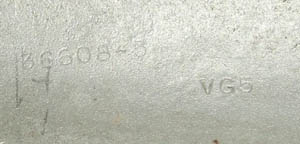
Out of stock more required please
contact me
|
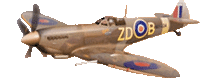
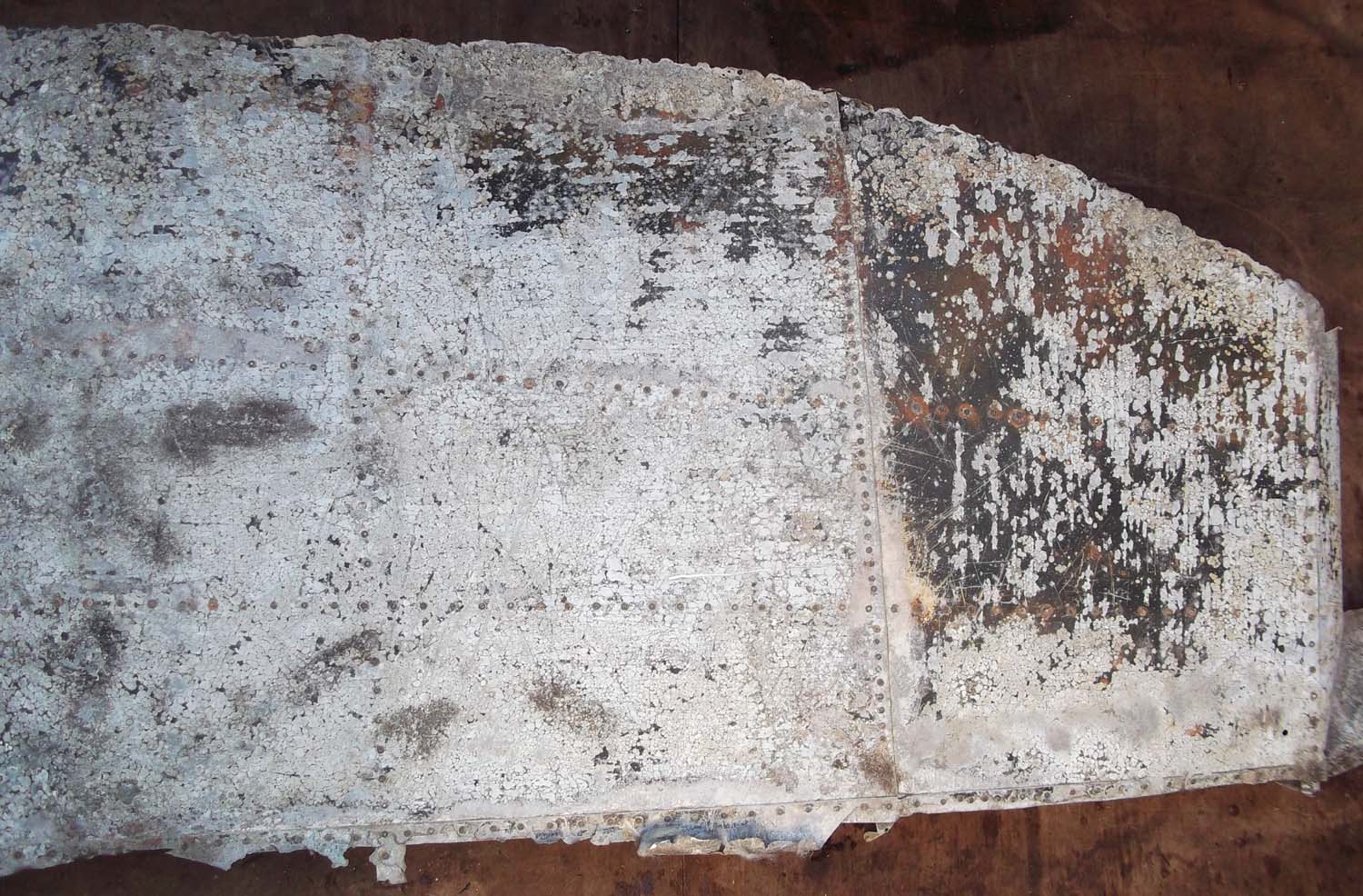
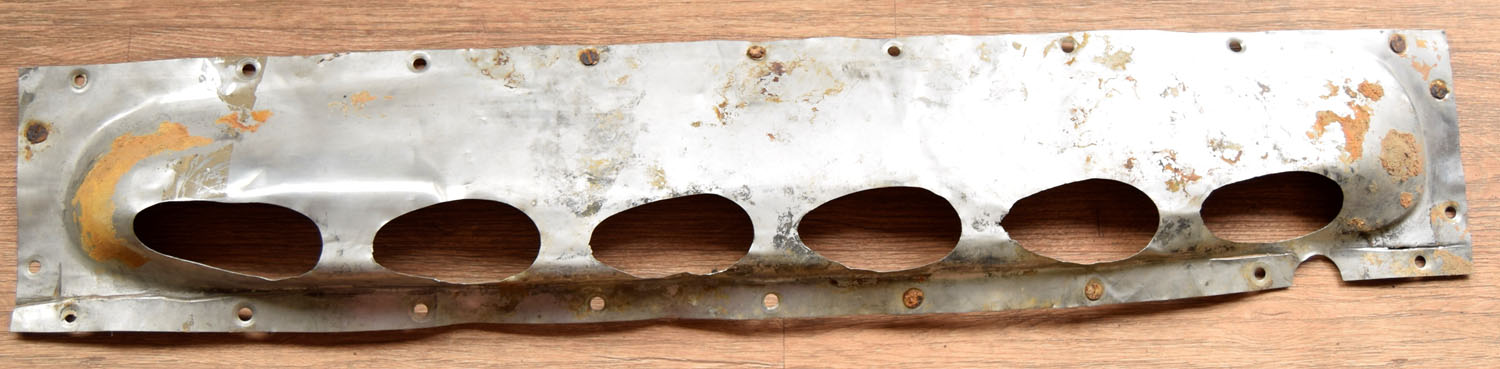
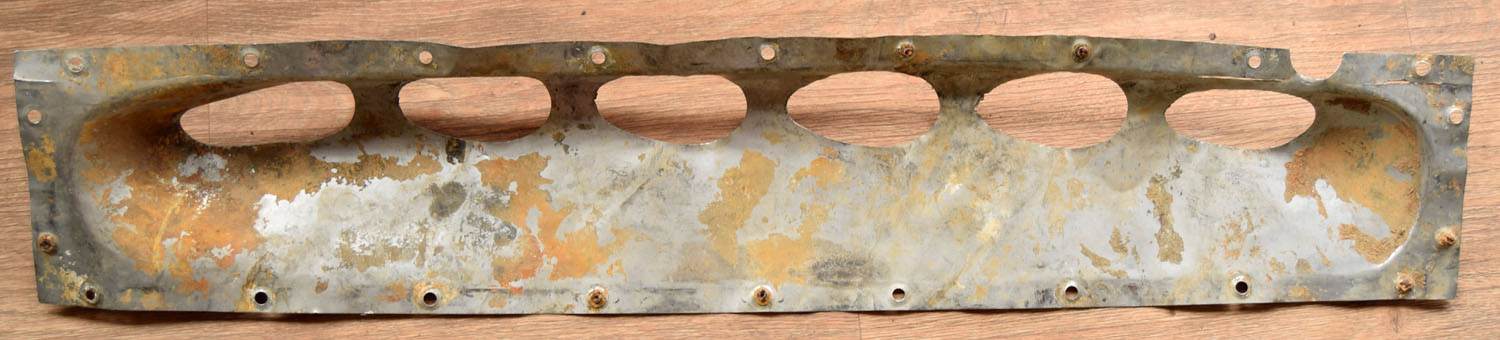
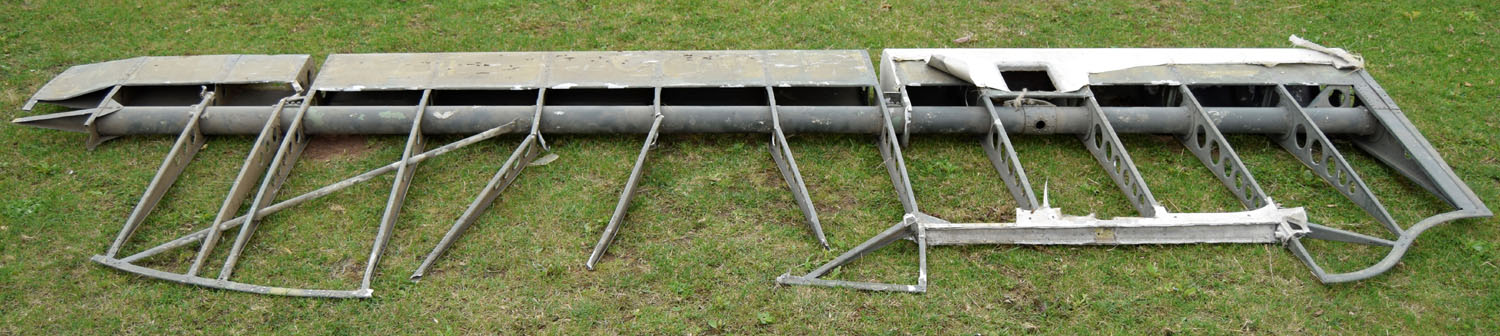
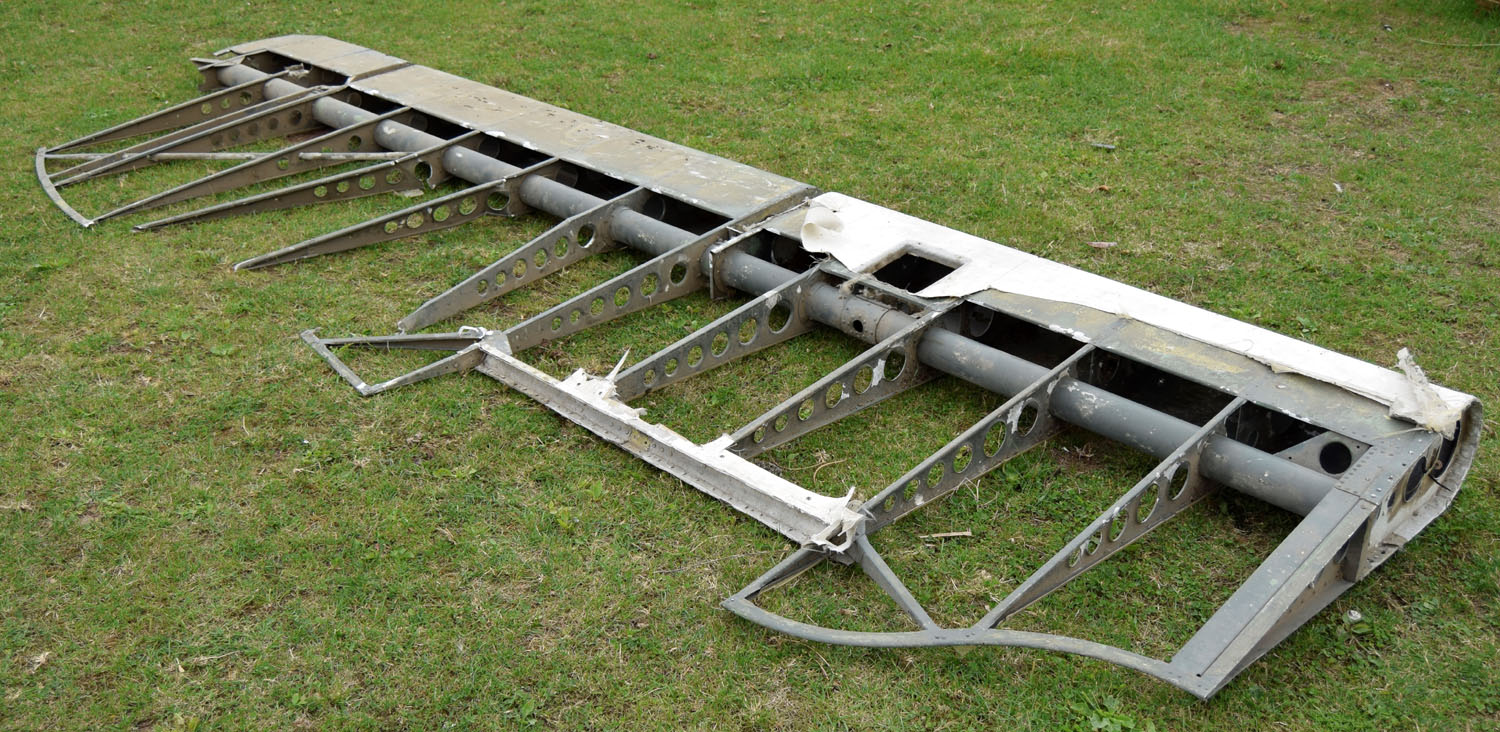
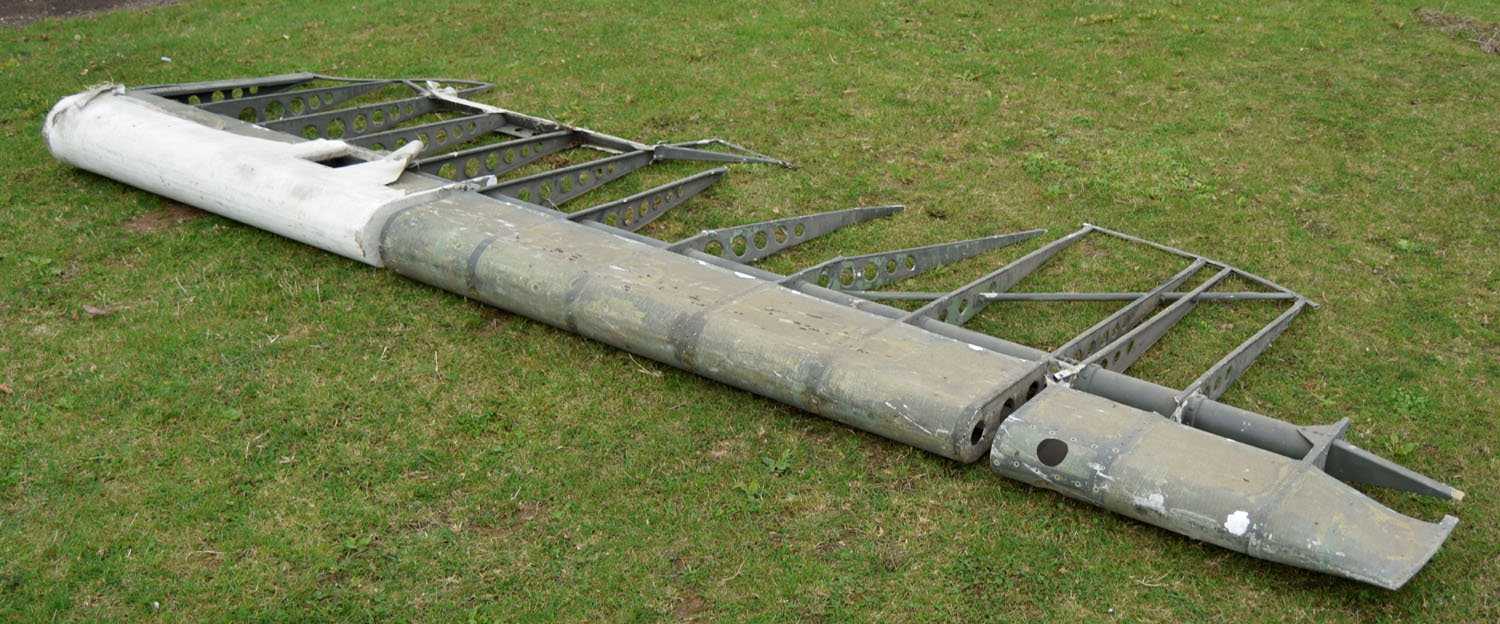
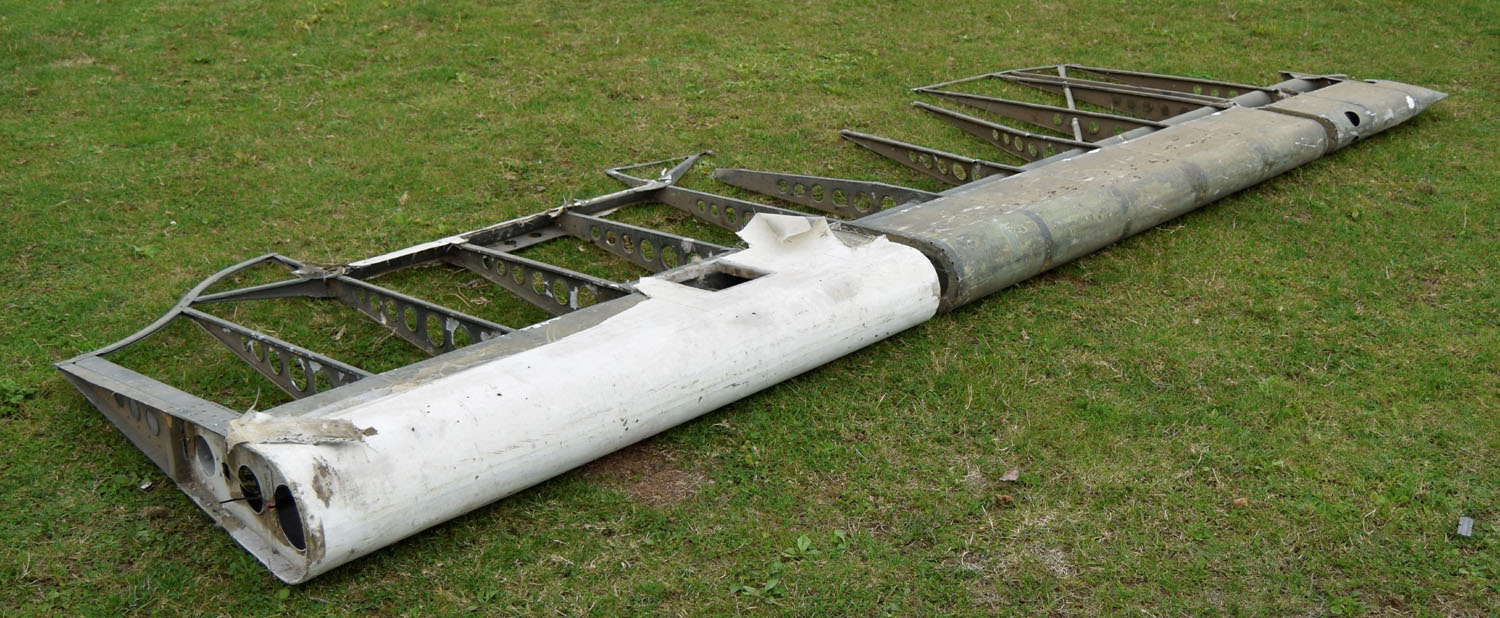
Original MK VII Spitfire Wing
Tip (No 4 Pg1 air)
This is an original outer main
plane wing tip from a rare MK VII Spitfire.
The Mk VII was
designed as a high altitude Fighter and used the “c” type
universal wings, capable of carrying either eight machine
guns, four cannon or two cannon and four machine guns
depending on the situation, but with the extended wing tips
used on the Mk VI.
The Mk VII was a pressurised
fighter. It had a more advanced pressurisation system than
the Mk VI, using a sliding cockpit canopy, which was more
popular than the locked cockpit on the Mk VI. The best high
altitude version of the Mk VII was powered by the Merlin 71,
and could reach 416mph at 44,000 ft.
The Mk VII remained in
production from August 1942 until early in 1944, although
only 140 aircraft were produced in that time.
The Mk VII was a little
more successful than the earlier Mk
VI but the “interim” Mk IX turned out to be
capable of operating high altitude itself, and the Mk VII
soon lost its special status as a high altitude fighter,
although it remained in use throughout the war.
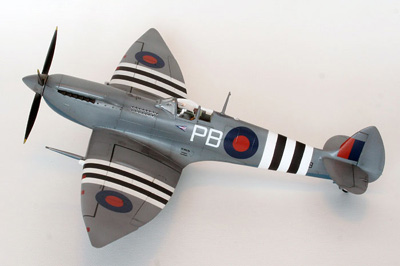
Shown
above a MK VII Spitfire note the sharp pointed wing design
|
|
Click on pictures to enlarge
Out of stock more required please
contact me
|
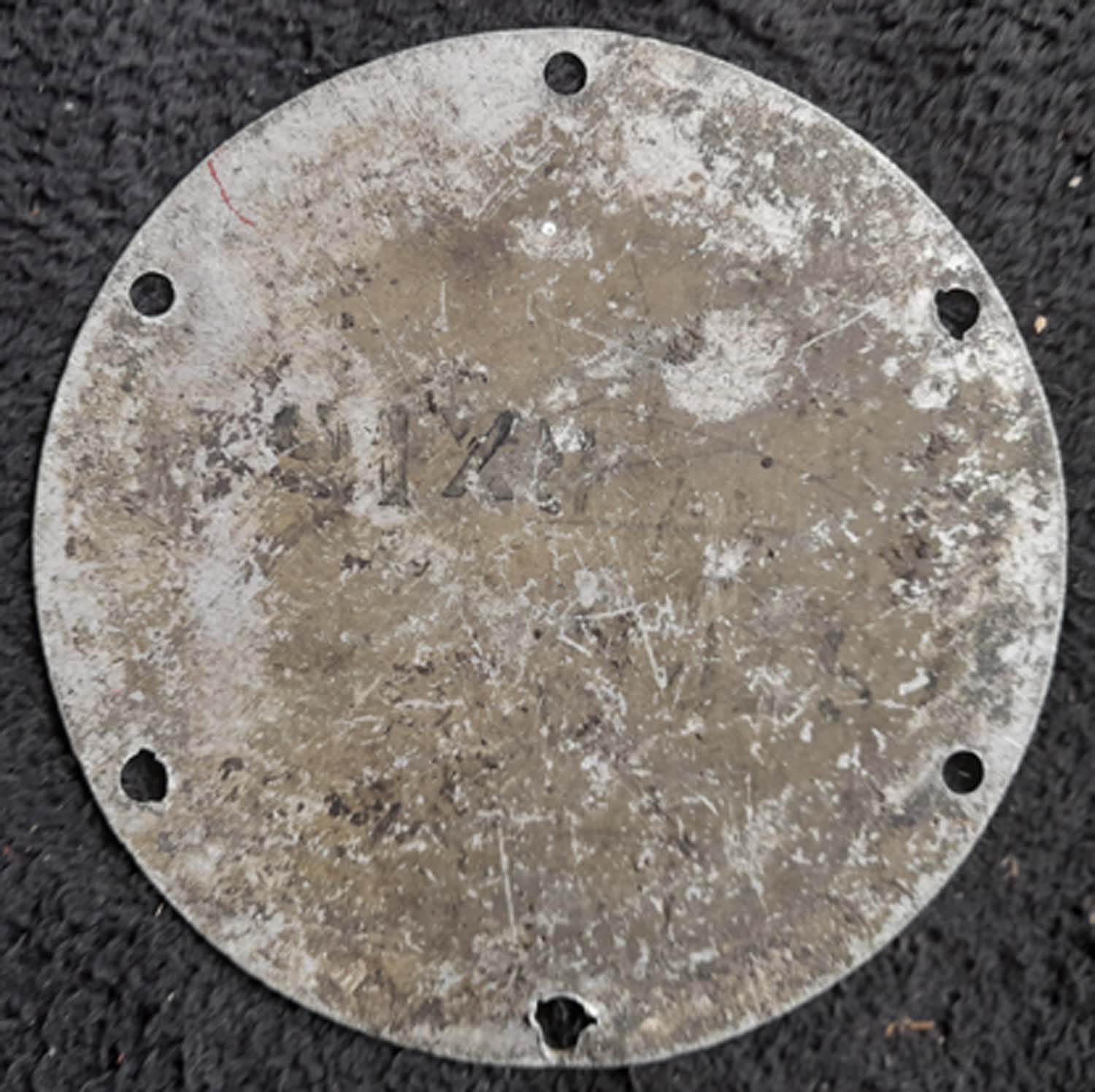
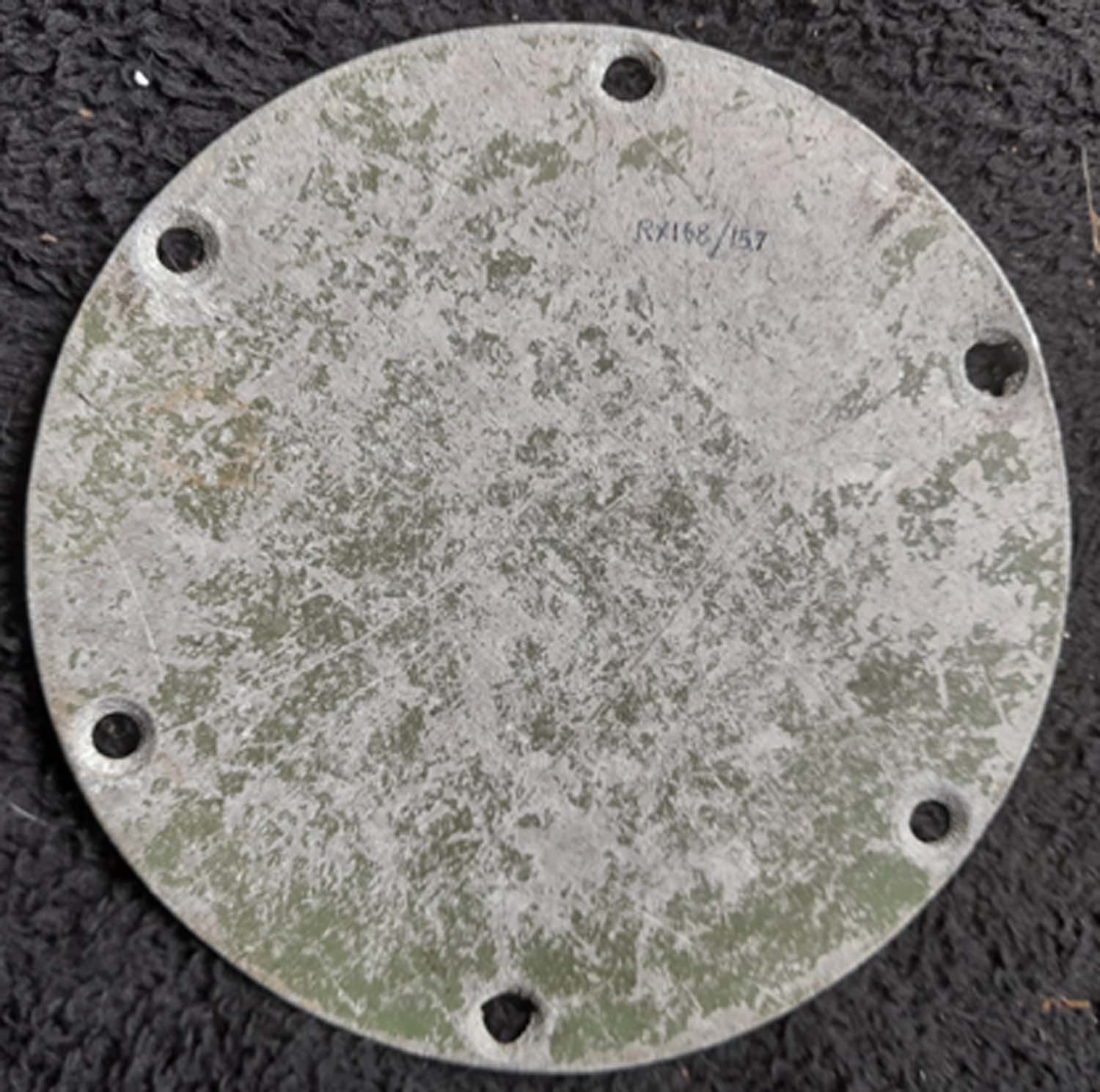
MK III Seafire Aircraft
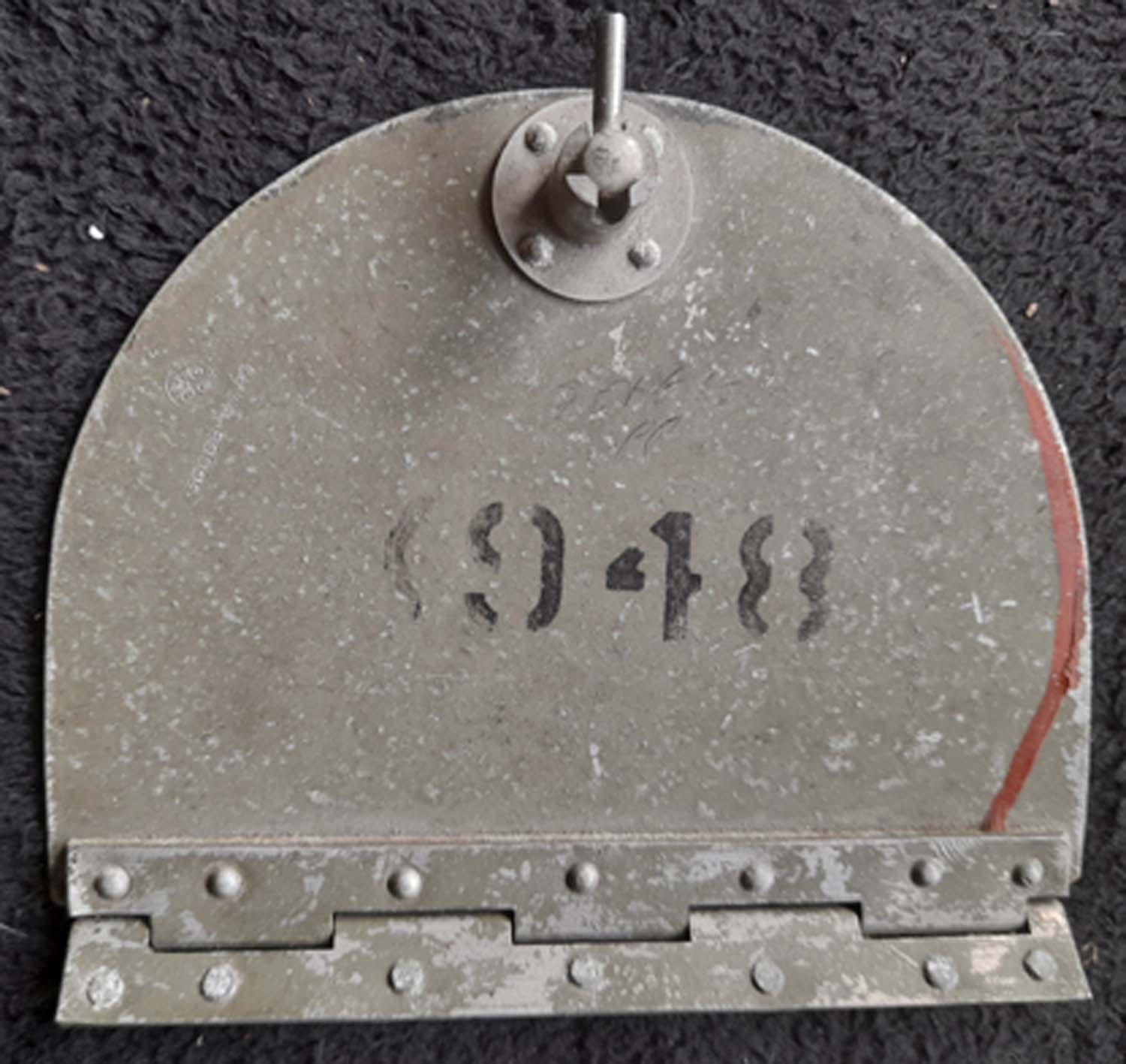
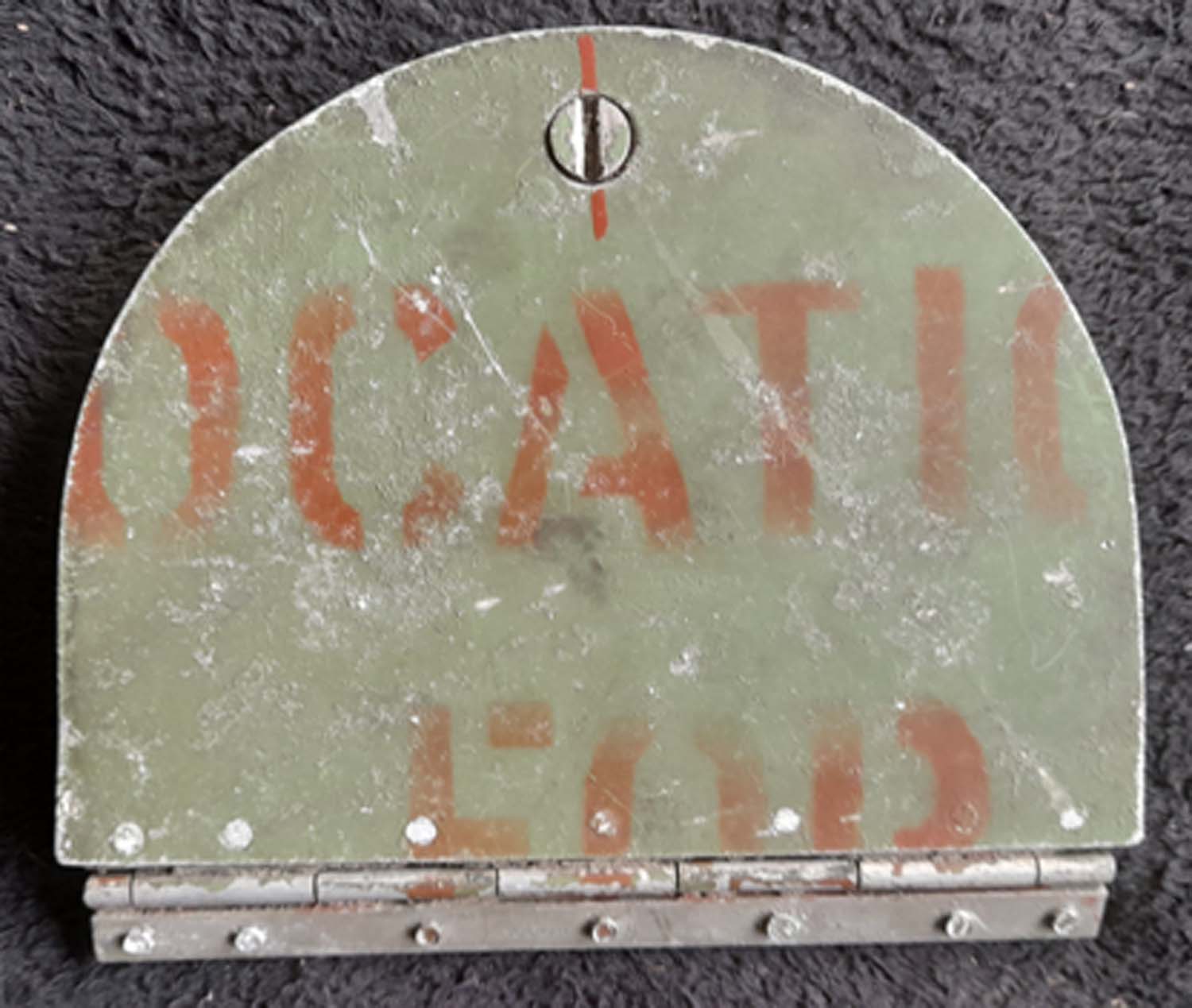
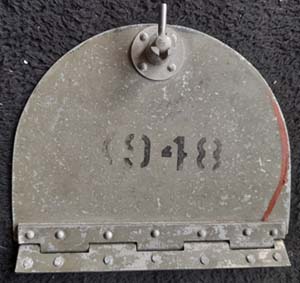
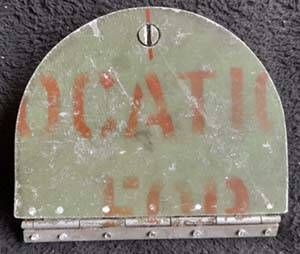
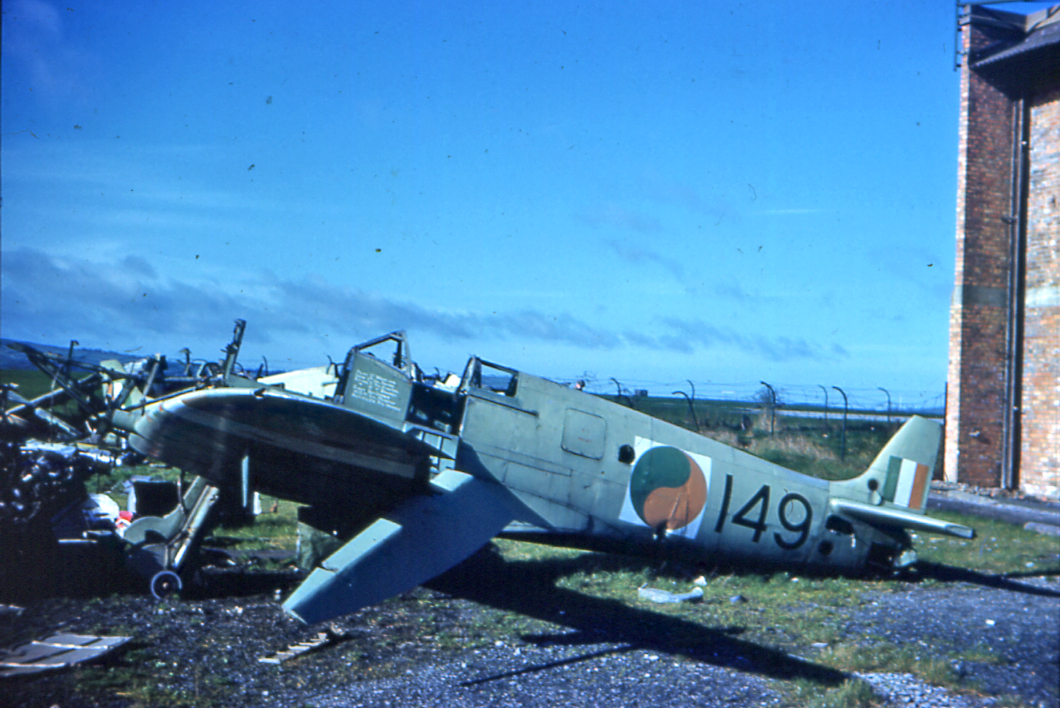
Panel PP948/149 of the Irish Air Corps (No 15 Pg1 air)
This panel
was removed by the last owner when just a young lad. Its
from a MK III Seafire.
He was a
big collector who visited scrap yards but also had the
presence of mind to record the aircraft serials he collected
them from.
This panel
came from Seafire PP948/149 of the Irish Air Corps.
|
|
Click on pictures to enlarge
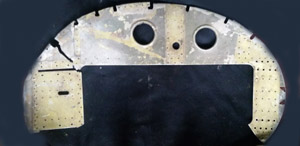 |
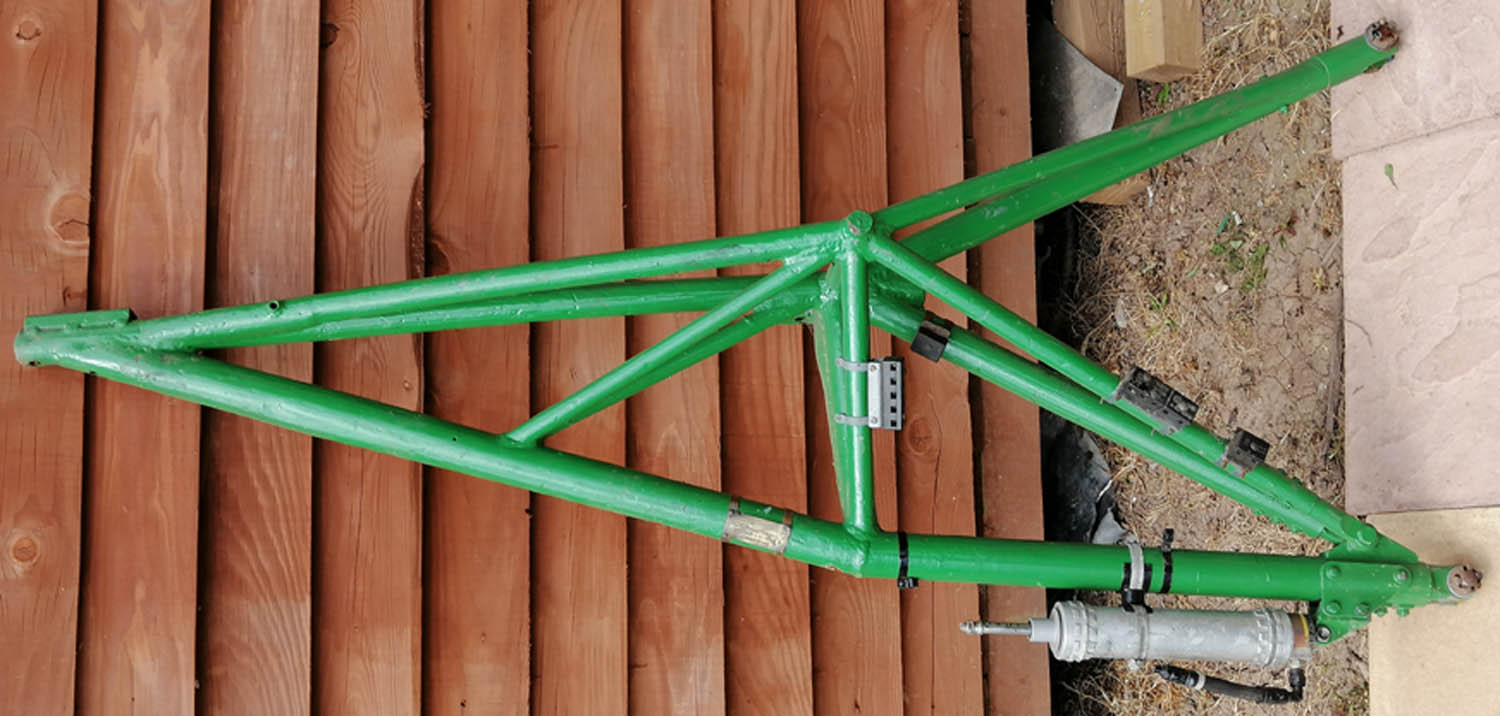
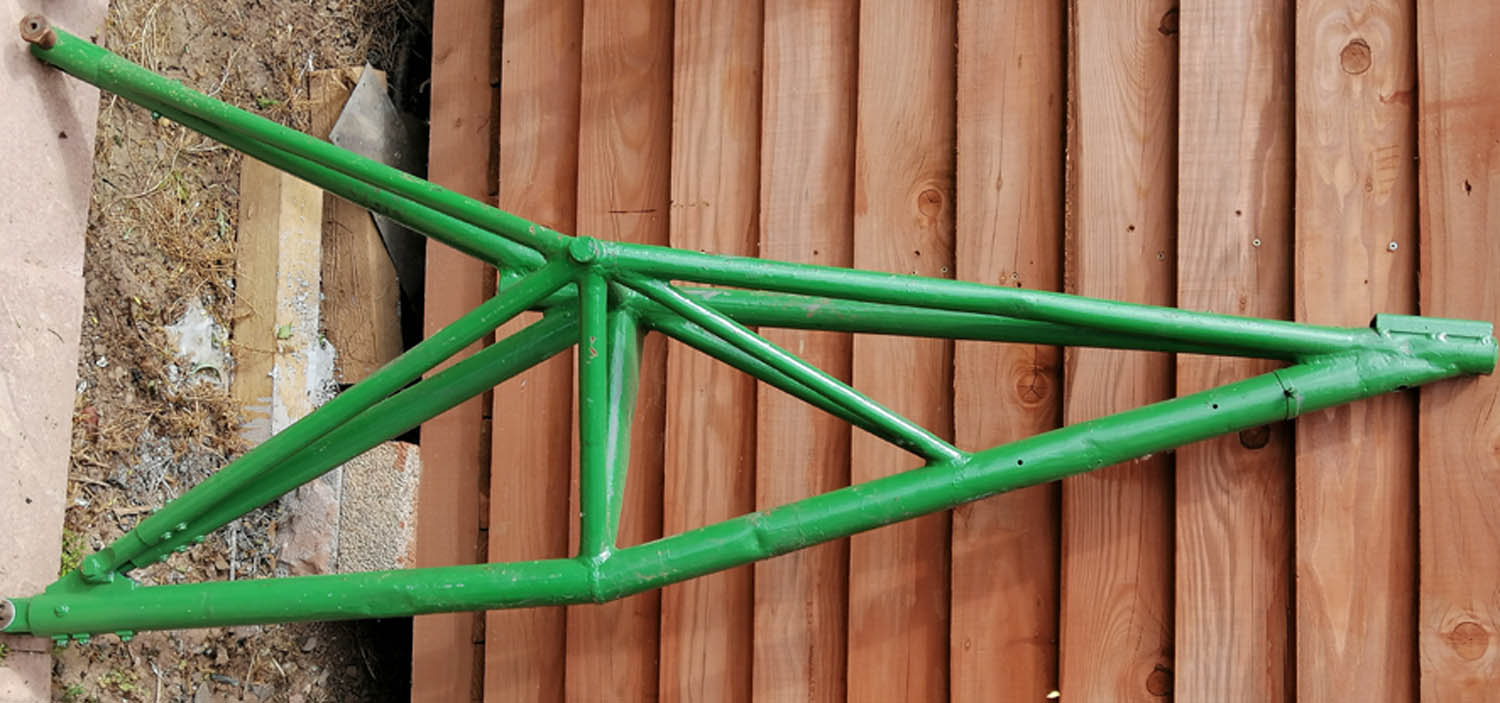
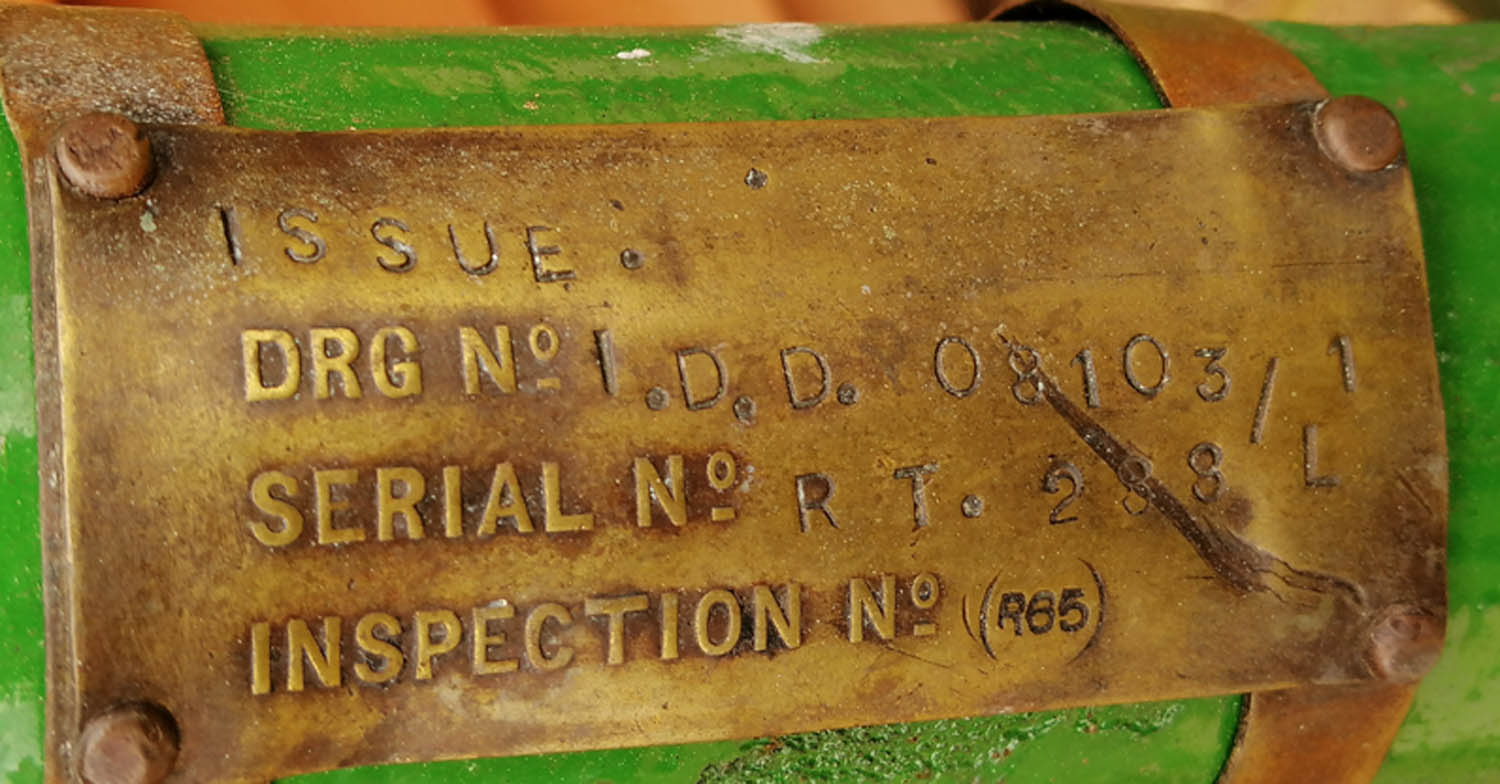
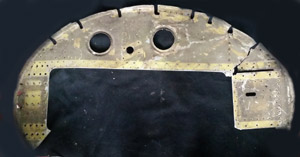
C-47 Frame 2 (No 18 Pg1 air)
Here is a frame used on the
C-47 Dakota.
Frames were used to give
the airframe strength and structure.
Unfortunately this frame
has broken but both pieces are present.
Out of stock more required please
contact me
|
|
Click on pictures to enlarge

 |
Spitfire Compass Tray
(Pg 5 Compasses
and Clocks 45)
Now available exact
replicas of the Spitfire compass tray, this is a very
difficult piece to replicate these are perfect copies made
using original drawings. They will be supplied painted.
Click on pictures to enlarge

£450
Available for sale in Instruments Page
5 Clocks and Compasses
|
|
Click on pictures to enlarge


 |
Spitfire Antenna
Mount (No 18 Pg 1 Rad)
Here we have a 100% original mount that was used to attach
the aerial to the Spitfire fuselage.
These are quite rare as
they are made of wood so often they became rotted.
It was fitted to the
fuselage just behind the cockpit to allow the fixing of the
aerial.
The aluminium has corroded
however the rubber and the original wood still remain.
This was removed from a
crashed aircraft at RAF Northolt.


Click
here to view on our Radio Page
|
|
Click on pictures to enlarge
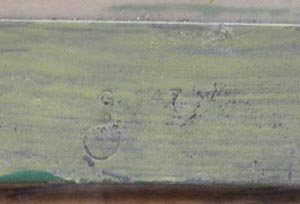 |
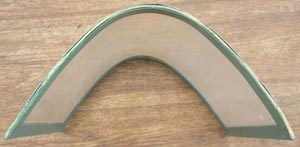
Hurricane
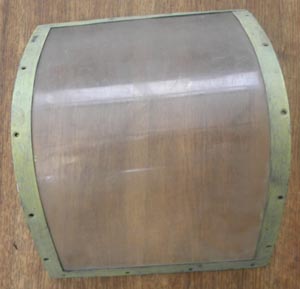
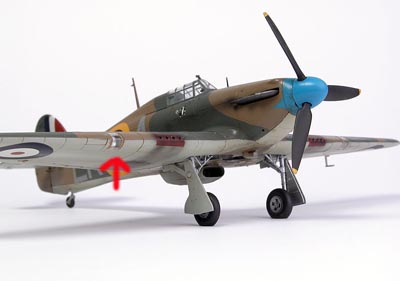
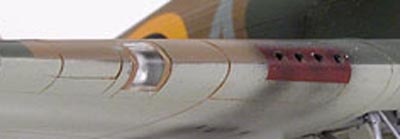
Landing Light Lens and Frame (No 58 pg1 light)
This superb piece is an original
corrosion free landing light frame and lens. Fitted on the
leading edge. It protected the Hurricanes landing
light.
A stunning original piece of Hurricane.
See this in
Lighting Page 1 link.
|
Click on the
pictures to enlarge them
Click on the
pictures to enlarge them
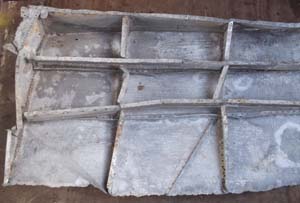
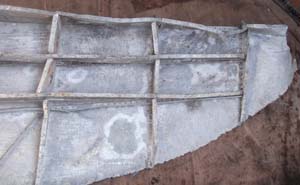
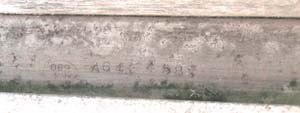
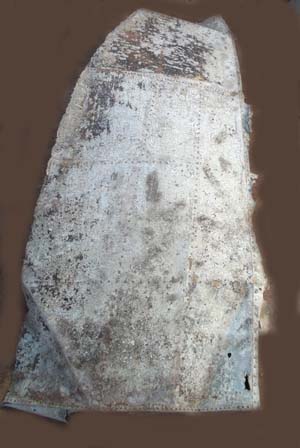
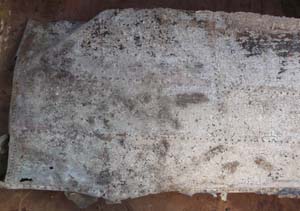
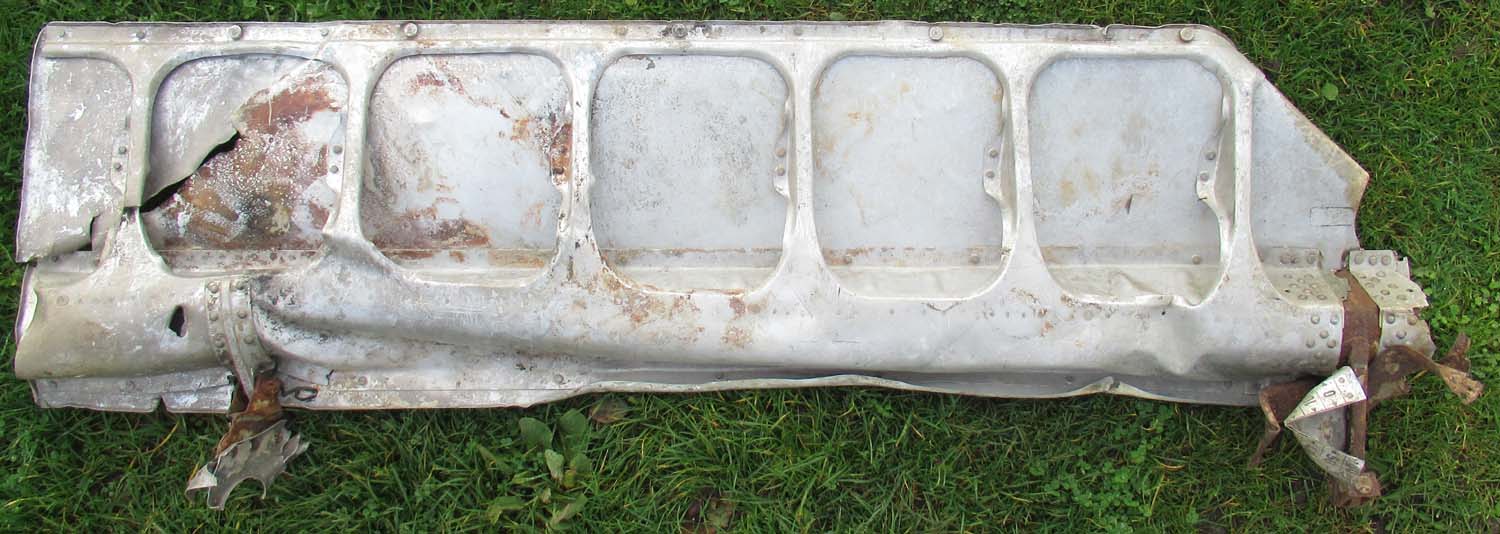
It carries an Avro
inspectors stamp. R3 680. seen above. |
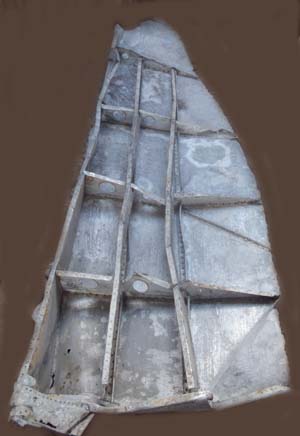
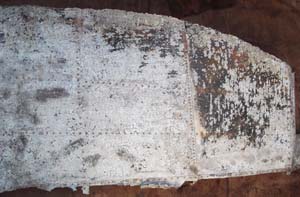
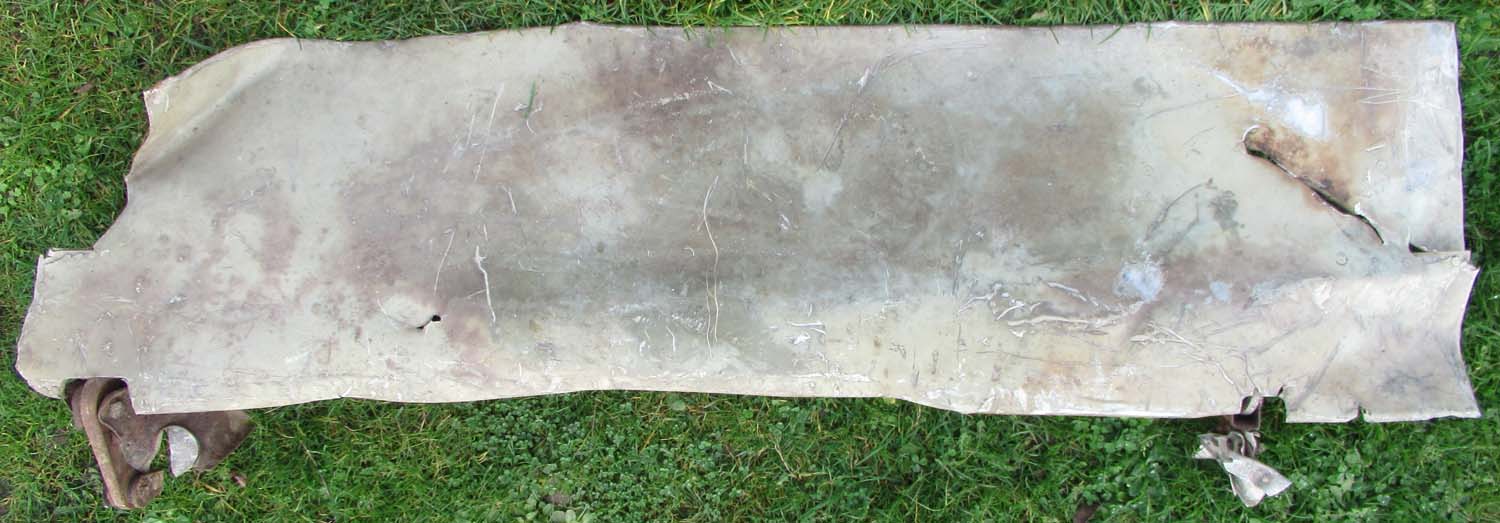
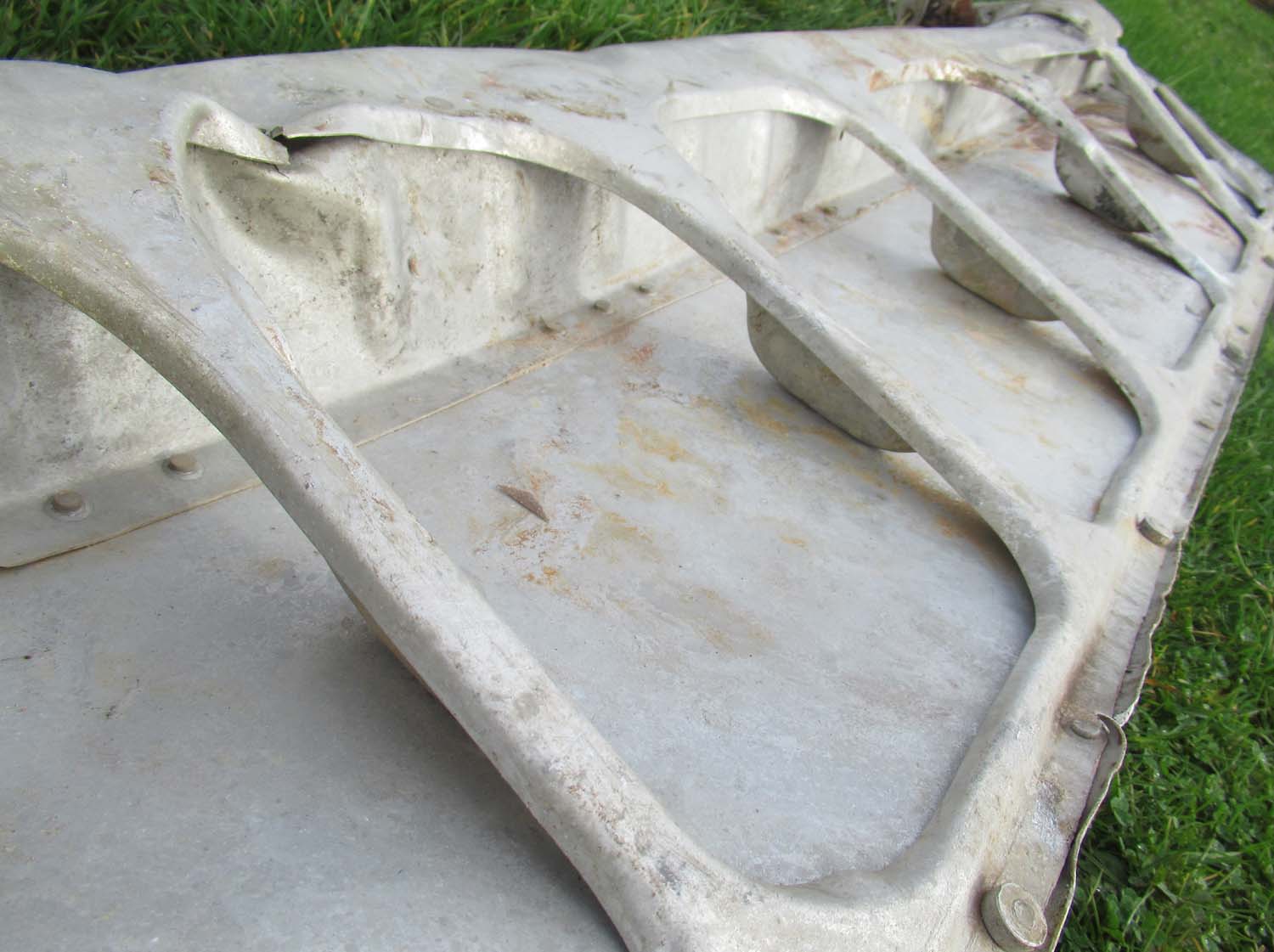
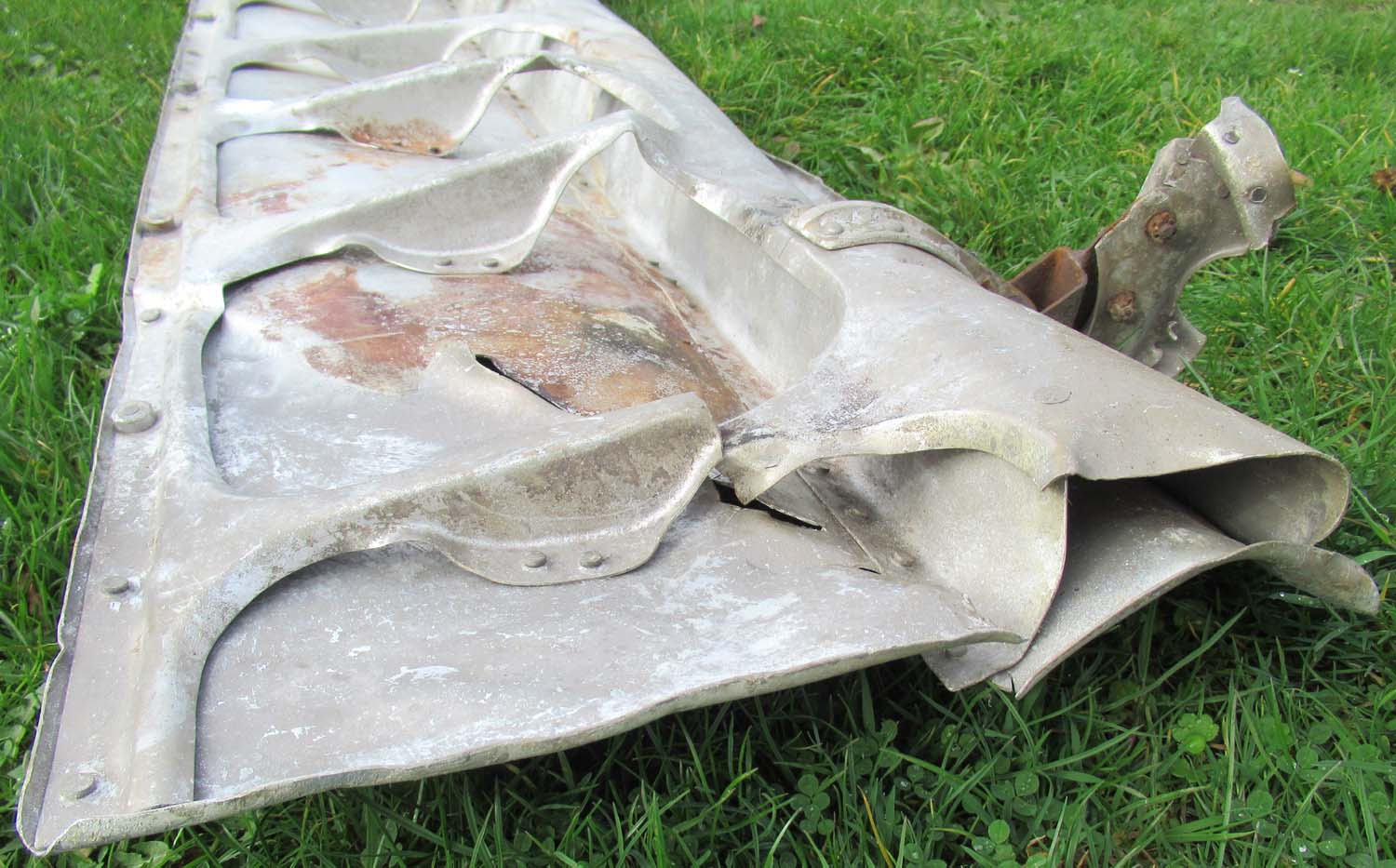
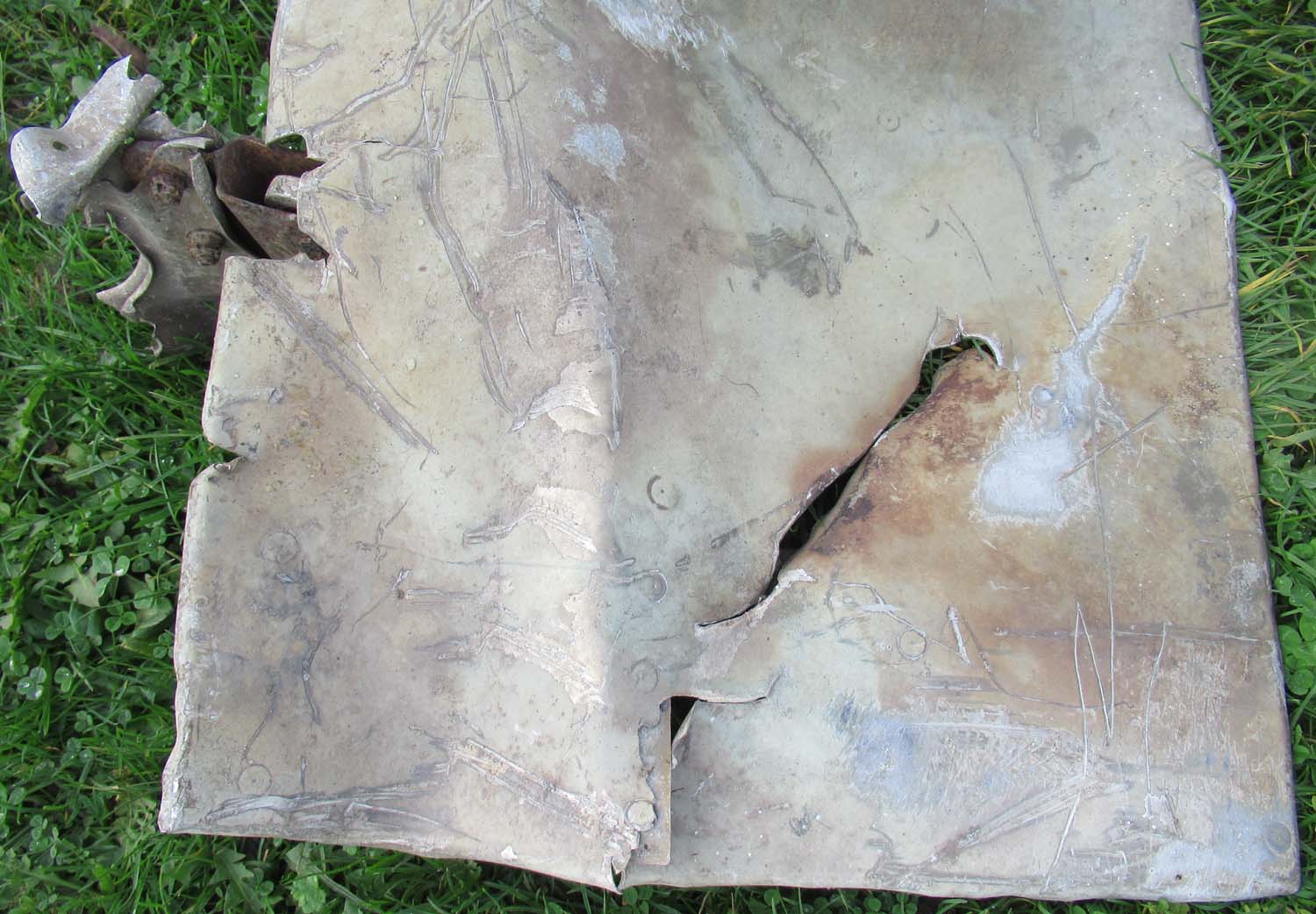
Avro Lancaster Rudder (pg1 relics
) Here is a substantial piece of a
Lancaster . It forms part of the rudder on the tail, It measures
2m by 0.7m at its widest point. Looking from the front of the
aircraft it is the RHS rudder.
It was recovered from IJsselmeer,
former Zuyderzee in the Netherlands and was purchased by us on a
recent buying trip to Holland..
Although
still known as the Zuiderzee to the crews, this large inner sea
in fact became the IJsselmeer when the Afsluitdijk dyke was
finished in 1933. The dyke became a familiar pinpoint to the
bomber crews. Having done some research it seems many Lancasters
met their fate over the Zuyderzee/ IJsselmeer here is a record
of one such loss.
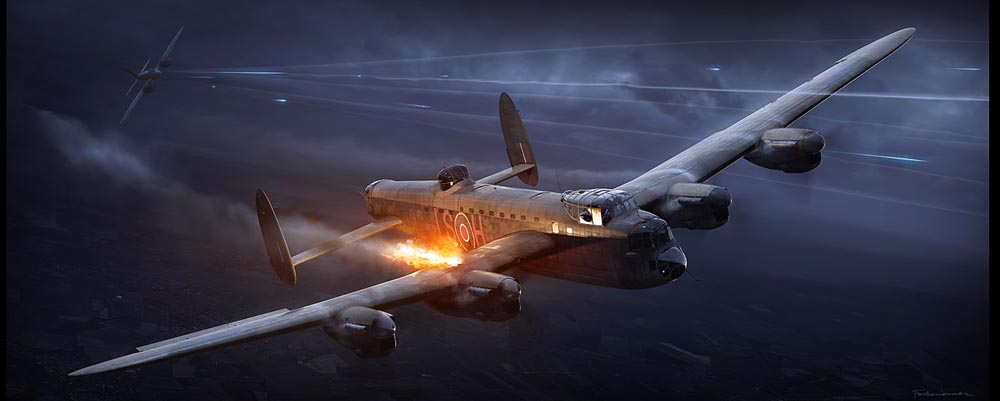
Aircraft
Type: Lancaster
Serial number: ED 357
Radio call sign: PH – S
Unit: ATTD 12 SQN RAF
Summary:
Lancaster ED357 took off from RAF Wickenby at 2240 hours on the
night of 11/12th
June 1943 to bomb Dusseldorf, Germany. Nothing was heard from
the aircraft after take
off and it failed to return to base.
Crew:
RAAF 409256 Flt Sgt D McN Thomson, Captain (Pilot)
RAF Sgt J L Osborne, (Flight Engineer)
RAF Sgt K Bowes, (Navigator)
RAF Sgt W M Ward, (Bomb Aimer)
RAF Sgt D N Campbell; (Wireless Air Gunner)
RCAF Sgt W T Pingle, (Mid Upper Gunner)
RCAF Sgt C W A Sparling (Rear Gunner)
It was later established that the aircraft
crashed into the Ijsselmeer in an area known as
the Oosteelijk-Flevoland polder, near Dronten, Netherlands.
Five of the crew were killed and Sgt Pingle and Sparling were
POW’s.
Sgt Sparling later stated “ The aircraft was shot down over the
Zuyder Zee and the crew
baled out into the water. I heard the crew calling for help
during the night and when I was
picked up the next morning there was no trace of the others. As
far as I can ascertain
Thompson must have been drowned. A 3 hours search found no
trace.”
Flt Sgt Thomson and Sgt’s Osborne, Ward and Campbell are buried
in the Amsterdam
Bew Eastern cemetery, Locality Noordr-Holland, Netherlands. The
cemetery is in the
south-eastern district of Amsterdam in Kruislaan, a road in the
Wsatergraafsmeer area of
the city.
Sgt Bowes has no known grave and his name is commemorated on the
Memorial to the
Missing, Runnymede, Surrey, UK
A propeller from the aircraft now stands in front of the town
hall at Dronten, where an
Air Gunners parade is held each year.
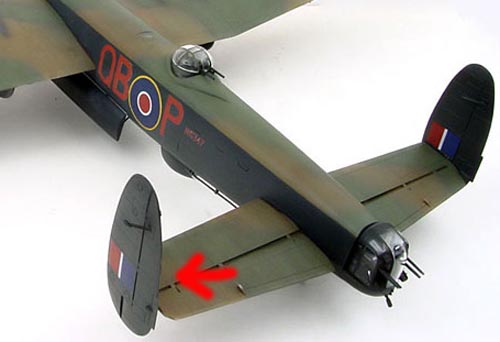
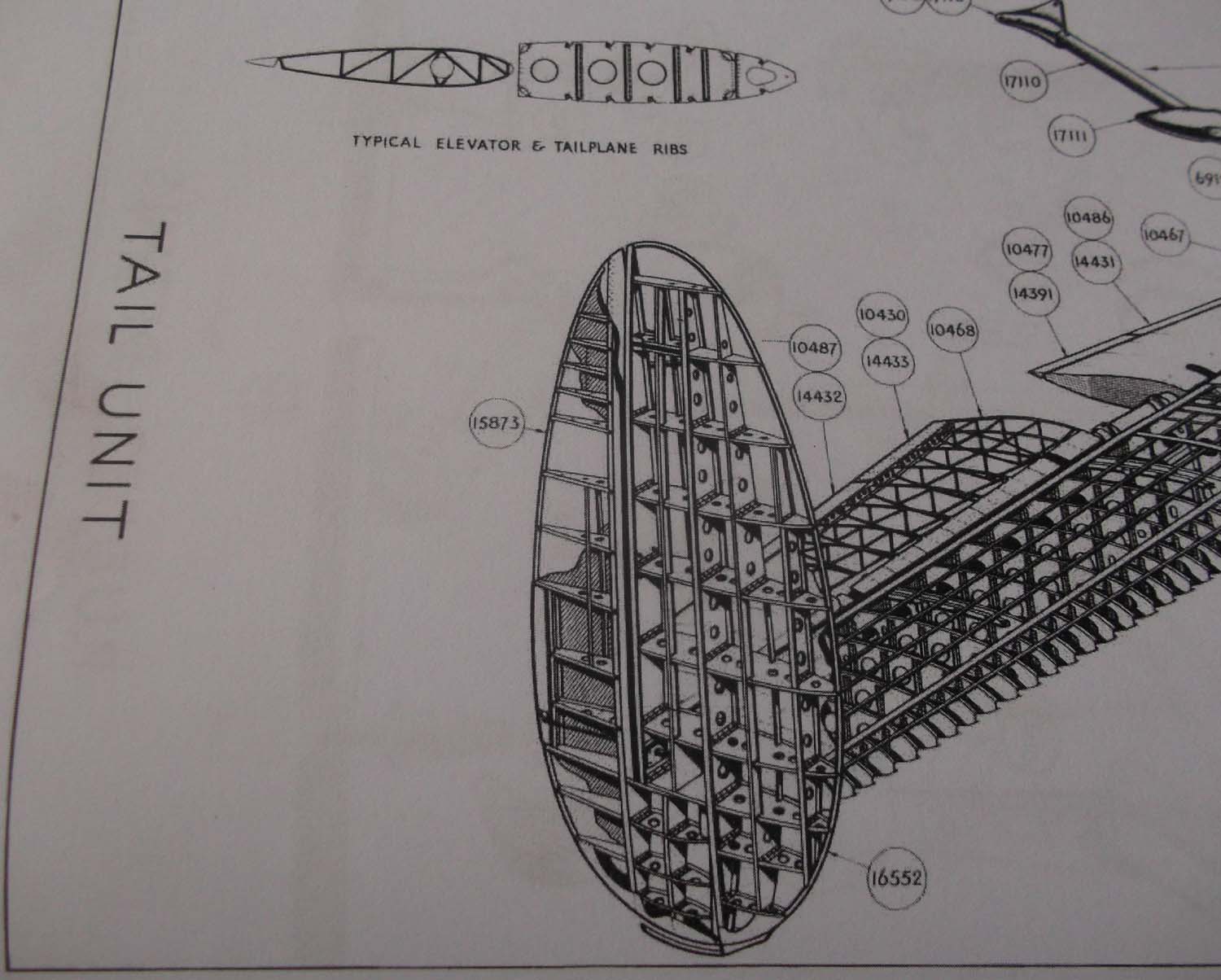
Shown under the the left
tail; plane and rudder but the construction is visable.
Out of stock more required please
contact me
|
|
Click on the pictures to enlarge.


|
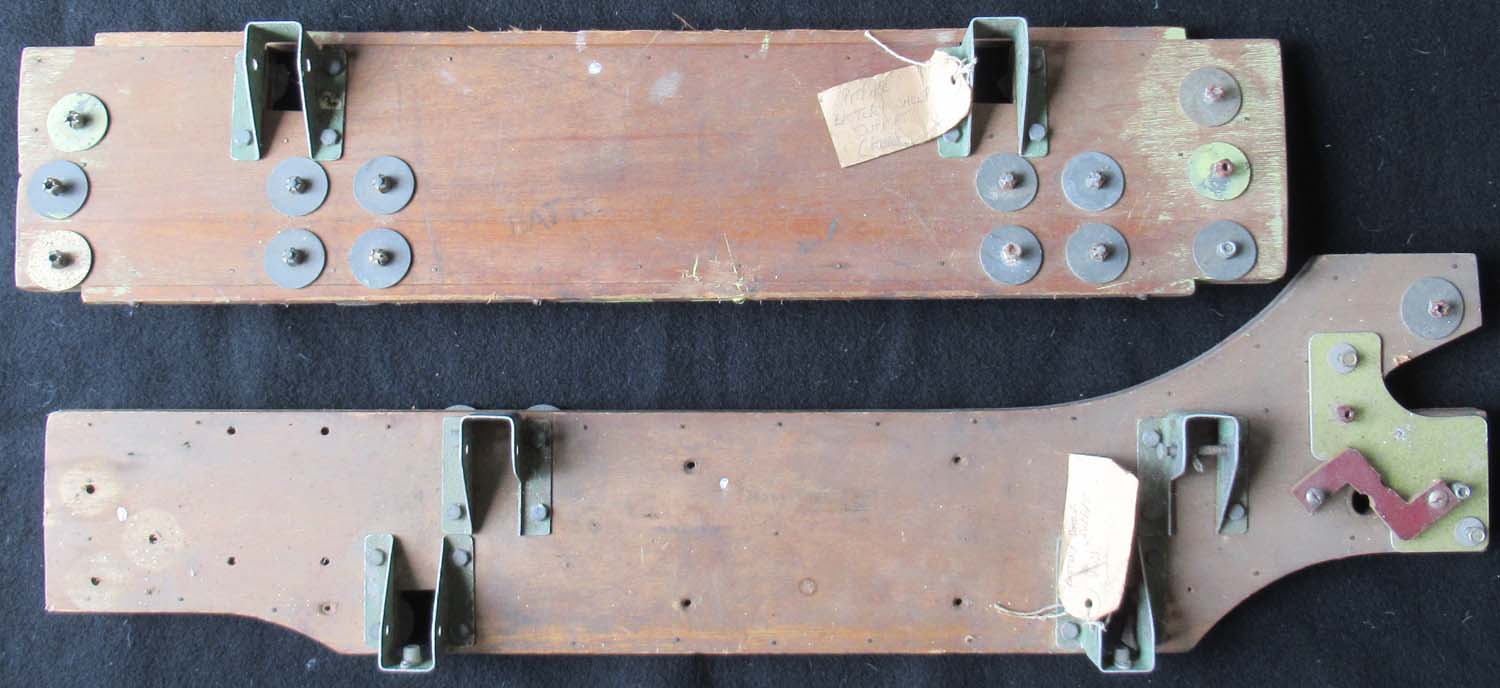
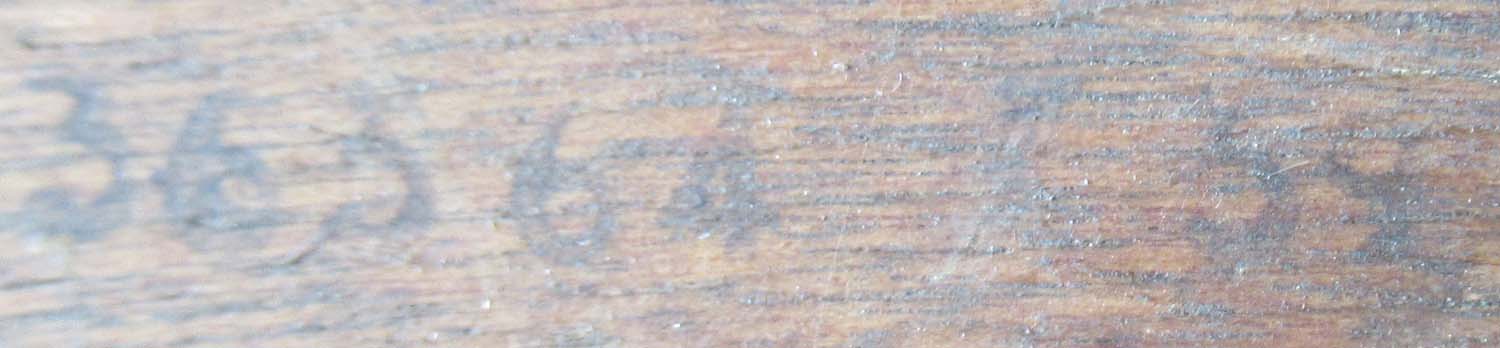
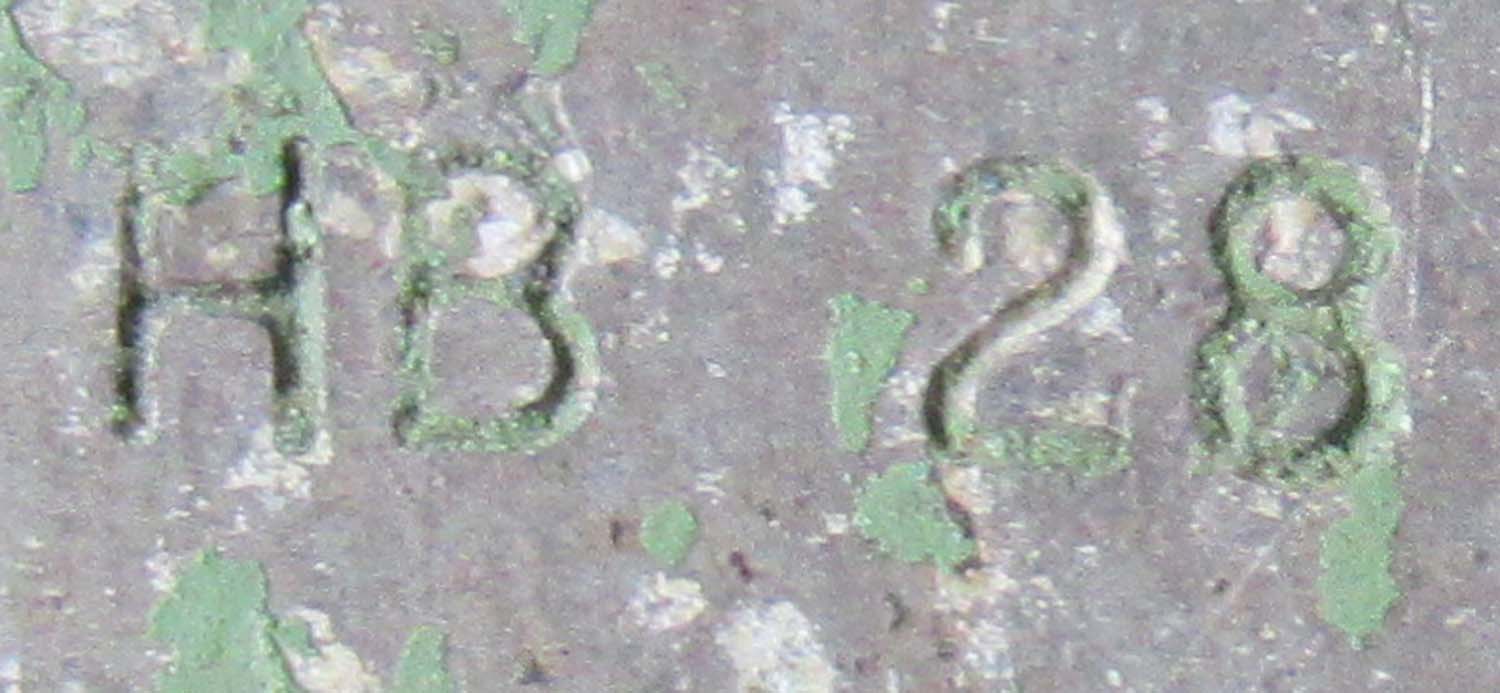
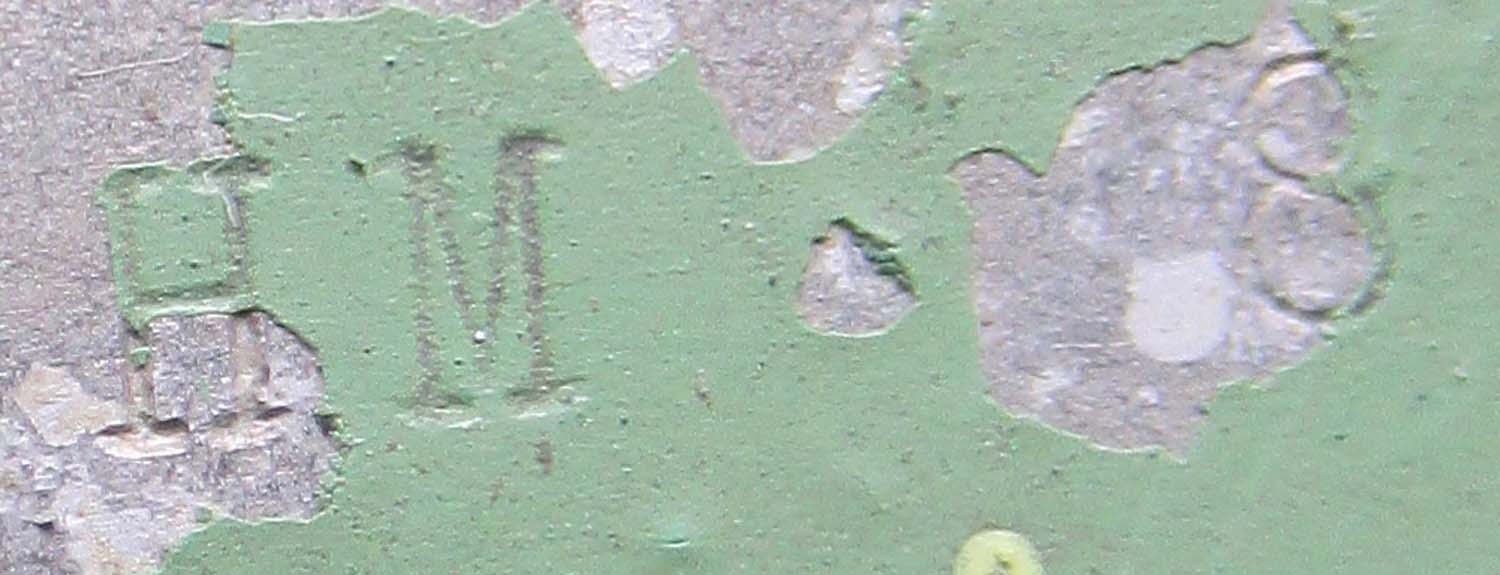
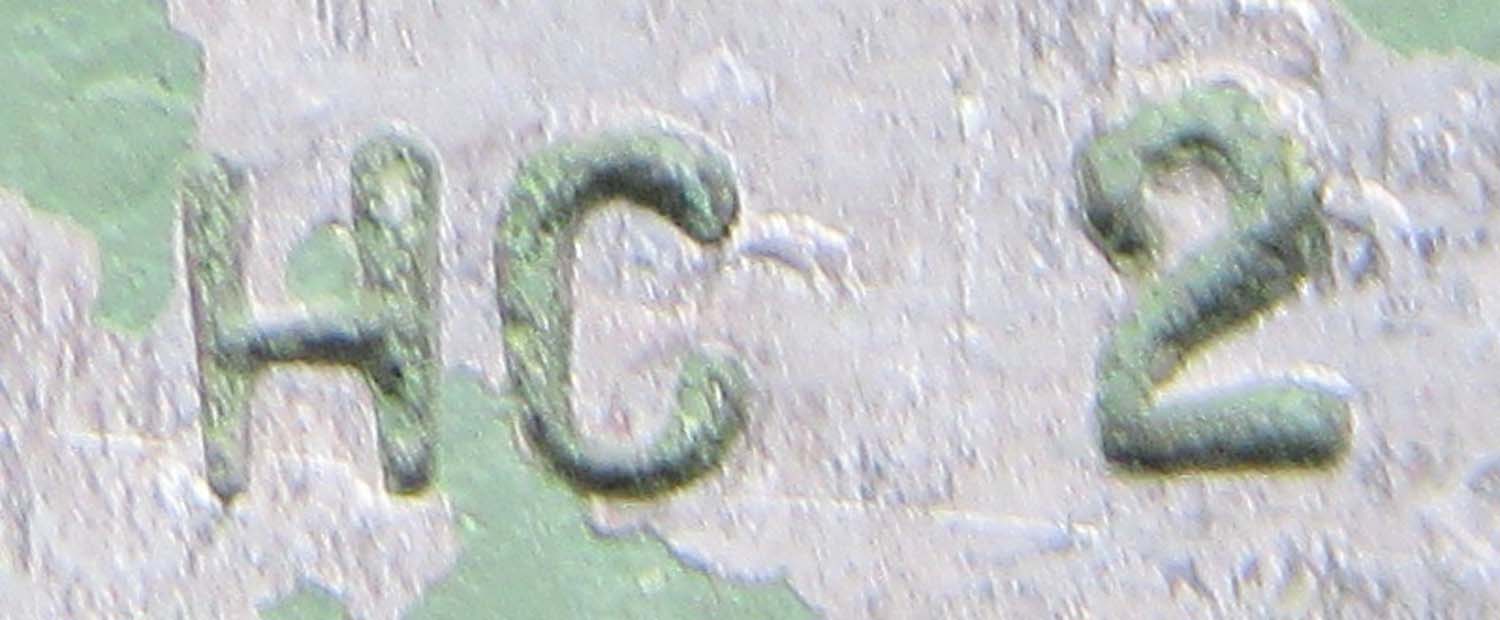
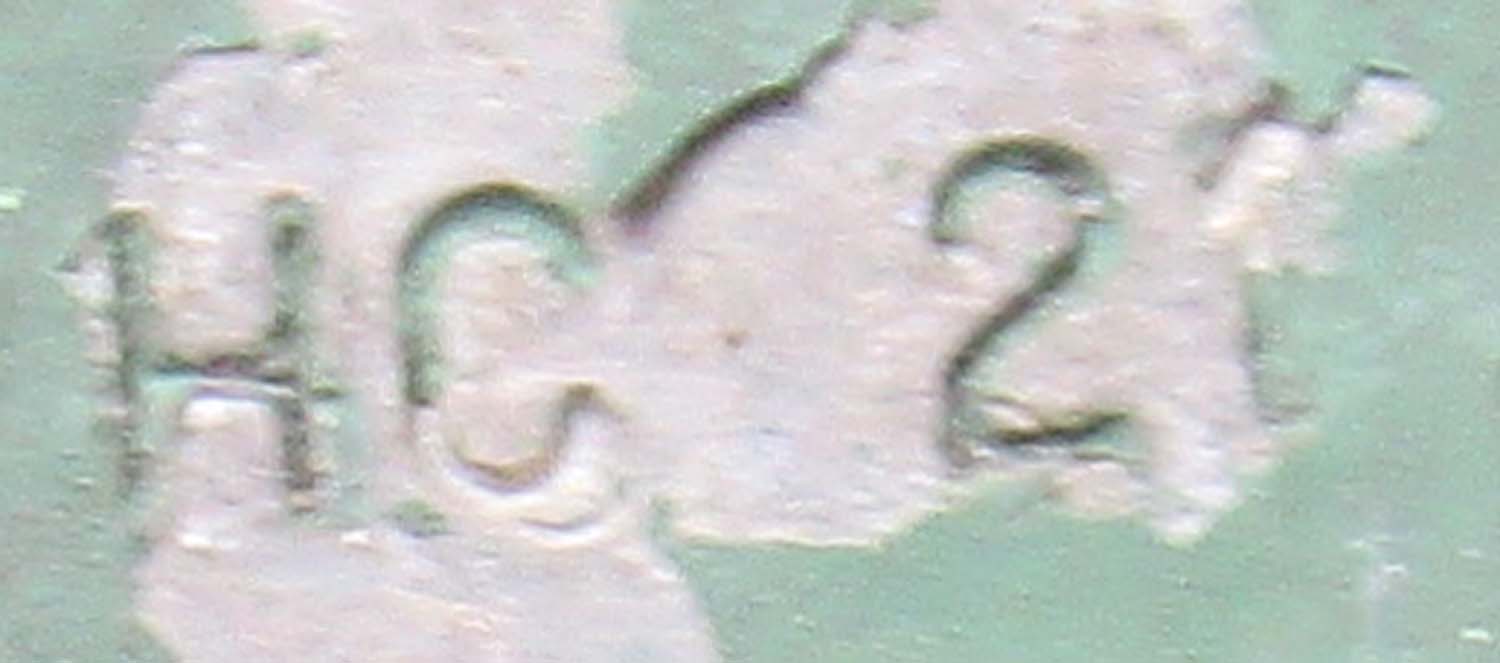
PRU Spitfire Camera brackets (pg1 air)
Part Number
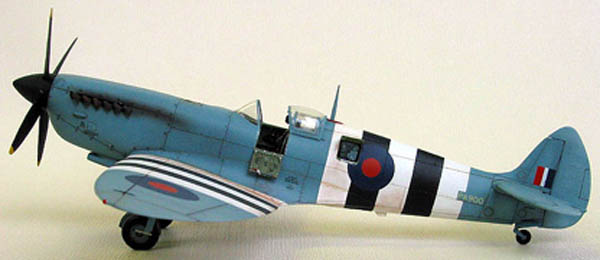
365= Mk XI PRU Spitfire shown above.
The PRU Spitfires were fitted
with two vertical telephoto cameras installed behind the
pilots cockpit. Photographs were taken through apertures in
the floor of the fuselage. The cameras were accessible
through hinged panels on port and starboard sides.
Additionally, an oblique camera was mounted to obtain photos
through the side of the fuselage, aimed by the pilot using a
sighting line on the port wing tip.
Combining height with speed,
the reconnaissance Spitfires were able to elude most
attempts at interception by the enemy. The technical quality
of their cameras enabled them to operate at high altitudes
without sacrificing the quality of the photographs obtained.
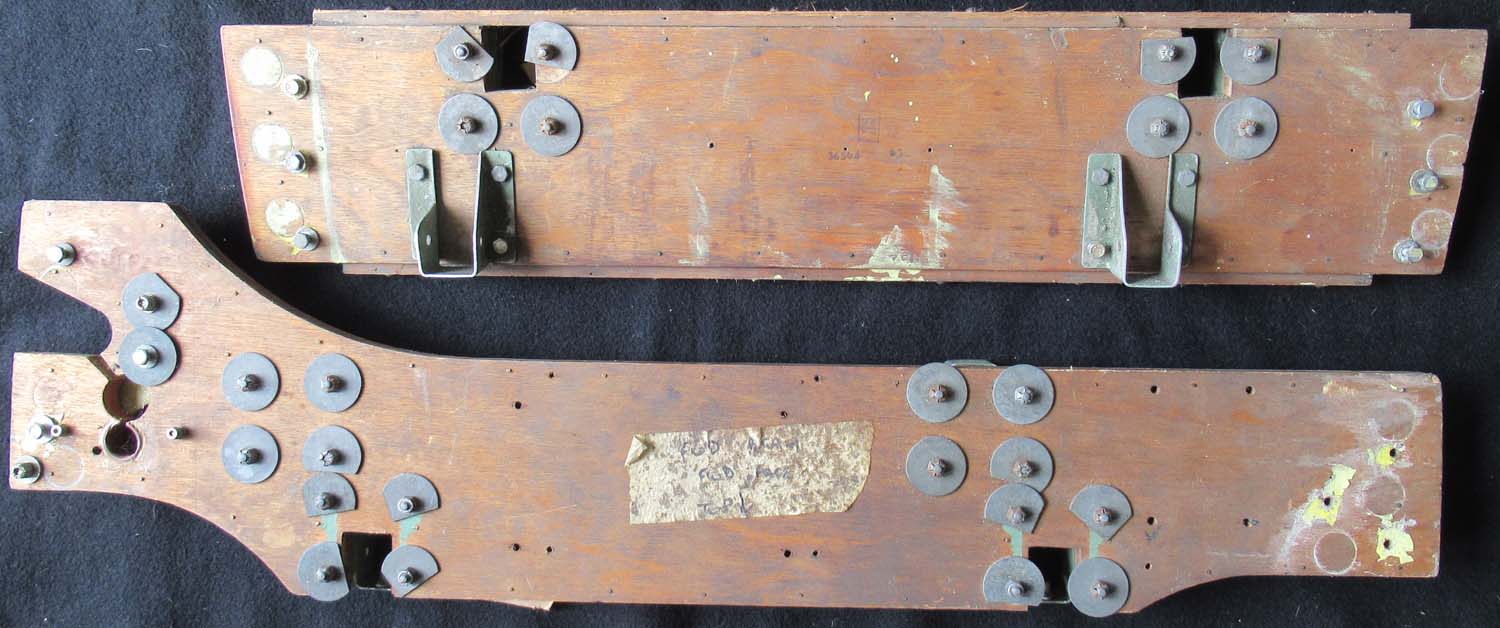
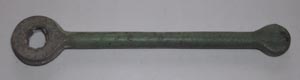
Here we have a
super rare pair of Camera brackets which hold the camera in
place in a MK XI PRU Spitfire, they are in very nice
condition with no rot or damage.
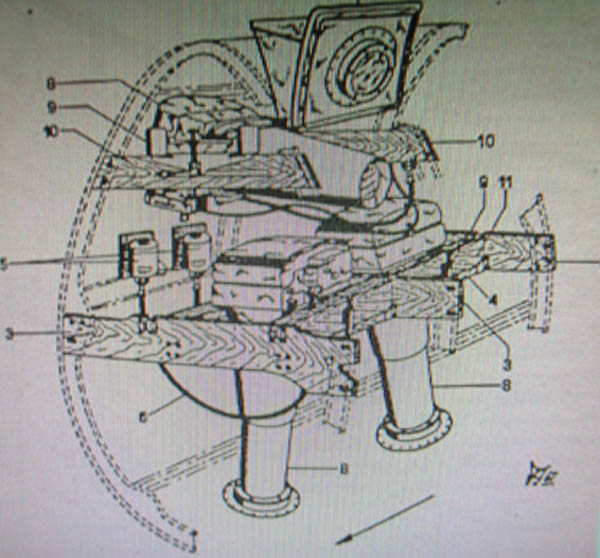

Above left you can see the brackets
in situ.
Out of stock more required please
contact me
Cameras are available for sale in
Misc on this link.
|
Click on the
picture to enlarge |
Reproduction Spitfire seat part (pg 2 air)
A Reproduction Spitfire seat part
Awaiting
new stock
contact us
|
Click on the
picture to enlarge
Out of stock
|
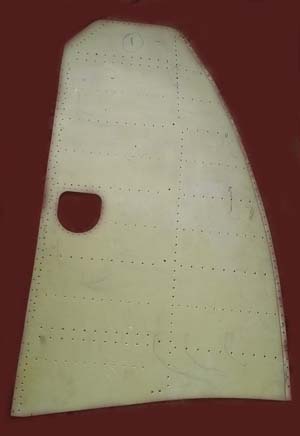
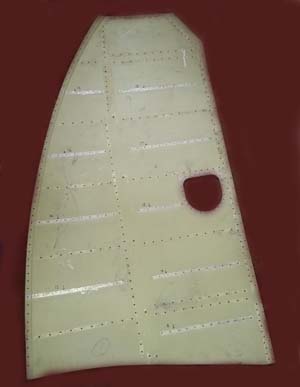
Spitfire Tail
Plane Skin 2(pg2 air)
Here we have the Skinning
from a Supermarine Spitfire Tail Plane
It is a Large Recognisable
Piece of the Spitfire and an important part of the airframe
This is a New Made part
however the Rivets have been carefully removed from a flying
Spitfire
|
.
Click on the
picture to enlarge
Out of Stock More Wanted Contact US
|
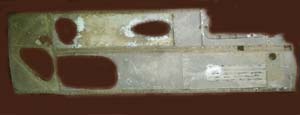
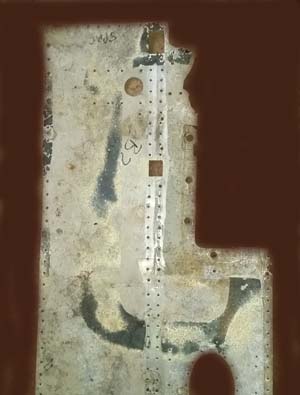
Supermarine Spitfire/Seafire
Underside Wing Skin(pg2 air)
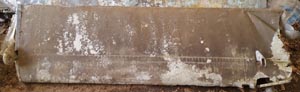
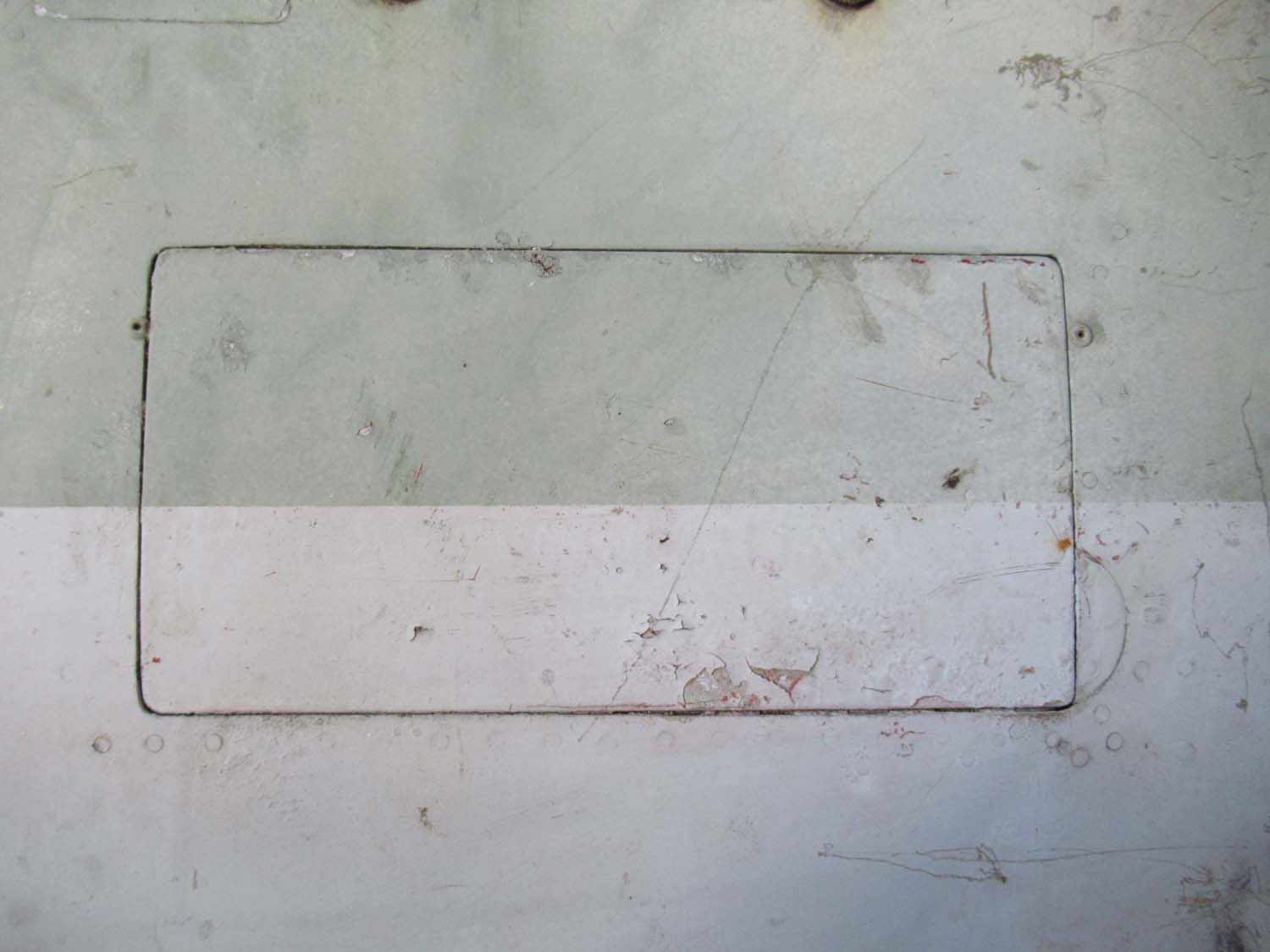
Here we have the Underside
Wing Skin from a Supermarine Spitfire/Seafire
This has what looks to be
the letter C Painted on the Panel. This May be part of the
Serial Number or Squadron Code
This is an Original Part.
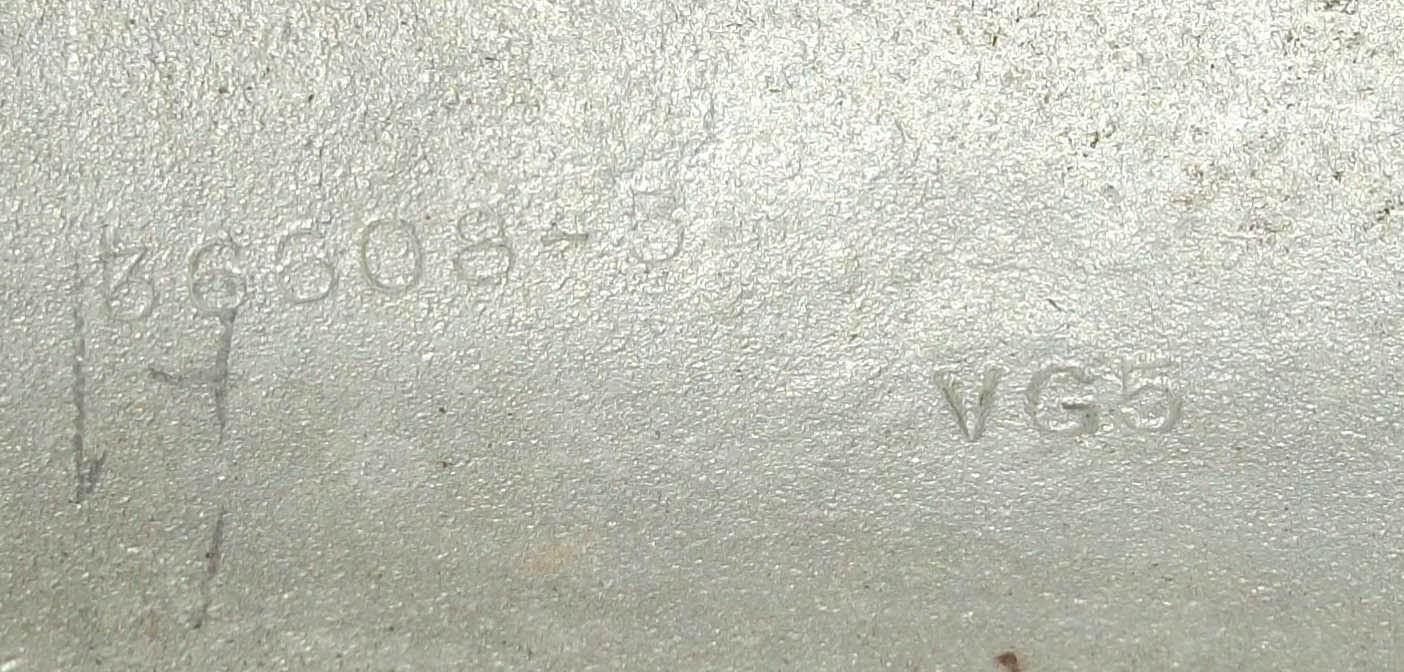
I have found a makers stamp but no Part Numbers
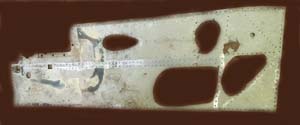
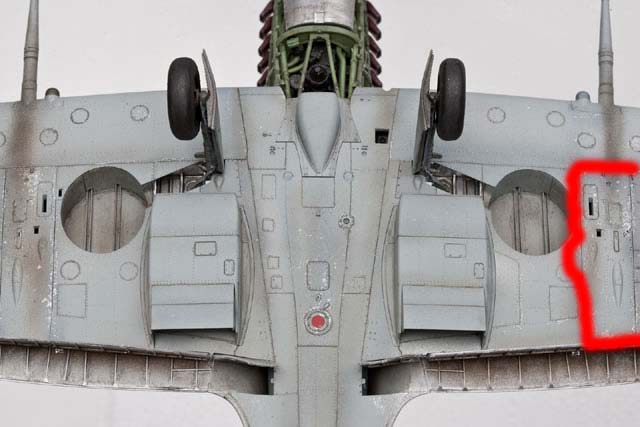
I believe
this to be the part Highlighted in Red
|
|
Click on pictures to enlarge
Out of stock more required please
contact me |
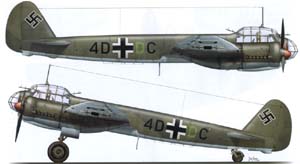
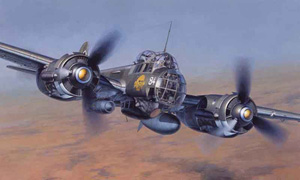
Junkers JU 88 Aileron (pg1 air)
Here we
have an aileron from a JU 88 substantially complete but with
some damage this piece was recovered in the Arnhem area of
Holland still with its original paint.
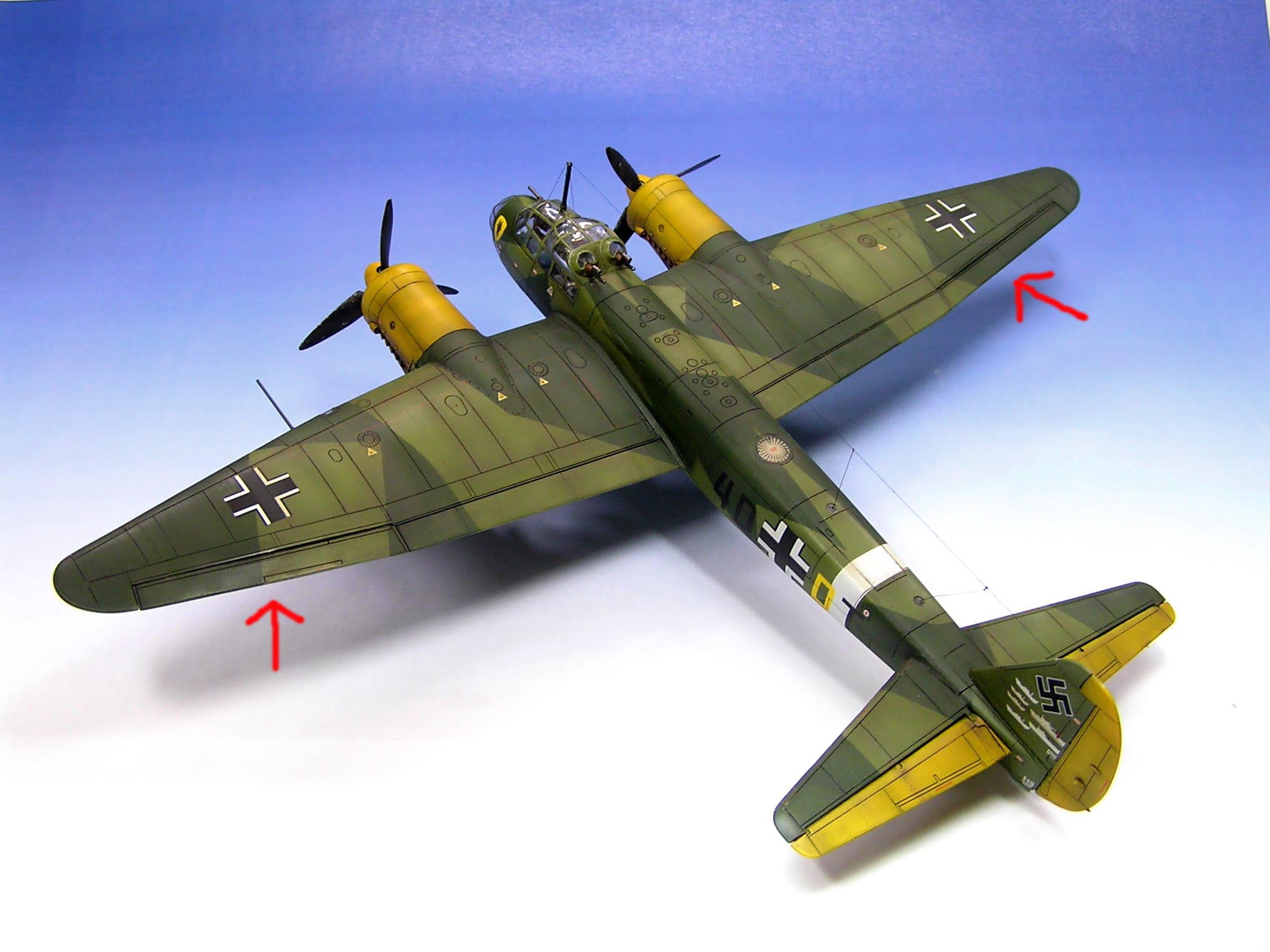
In versatility and performance, the
Junkers Ju 88 could be compared to the British Mosquito or
in some aspects, the B25.
In any event, approximately 15,000
aircraft were produced in various forms from 1939 to 1945.
An astonishing 104 prototypes and dozens of variant were
built, with more than 9,000 produced as bombers. It had
flexibility and was the most modifiable aircraft during the
war. It was said to be easy to fly with good handling,
highly manoeuvrable and responsive. It was without a doubt,
the finest German bomber to see extensive service throughout
the war. |
Click on the
picture to enlarge |
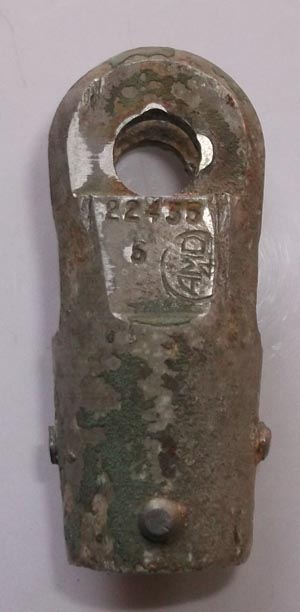
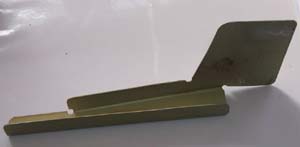
Original Supermarine type 224 F7/30 Seat part (pg 2 air)
Part
Number 224 = Aircraft type Part
Number 35= Seat
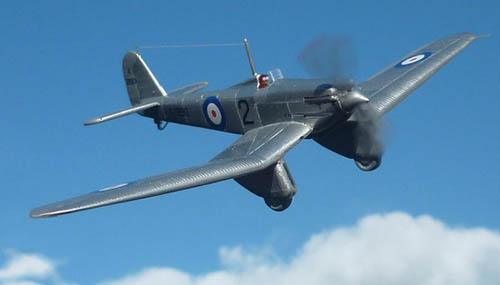
This is an extremely rare
piece being an original seat part from the fore runner of
the Spitfire the Supermarine type 224.
Issue of Specification F.7/30 in 1930 for a single-seat
fighter led Supermarine to build its first aircraft intended
for this role. Designed under the direction of Reginald J
Mitchell as Type (or Drawing) 224, Supermarine's proposal
was one of three to gain Air Ministry backing for prototype
construction (along with Westland and Blackburn), an order
for one aircraft being placed in 1932. Based on experience
gained with the Supermarine float seaplanes designed for
participation in the Schneider Trophy contests, the Type 224
was of all-metal construction with fabric covering of the
wing aft of the mainspar and of the tail surfaces. Its 600hp
Rolls-Royce Goshawk II engine had an evaporative cooling
system, which was to prove to be a major reason for the
eventual failure of the Type 224 to gain acceptance.
Armament comprised two 7.7mm guns in the fuselage and one in
each mainwheel fairing. First flown on 19 February 1934, the
Type 224 failed to achieve its performance estimates, and,
after a prolonged sojourn at the RAE Farnborough, went to
the A&AEE and eventually ended its days as a gunnery target.
Out of
stock
|
Click on the
picture to enlarge
|
Reproduction
Spitfire Frame 4 (pg 2 air)
A Reproduction Spitfire Frame
Out of
stock
|
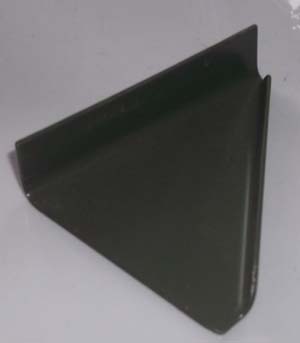 |
Reproduction
Spitfire Frame 3 (pg 2 air)
A Reproduction Spitfire Frame
Out of
stock
|
|
.Click on the
picture to enlarge
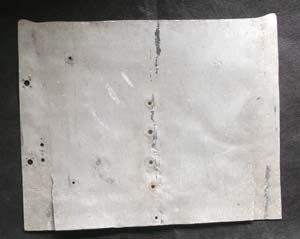 |
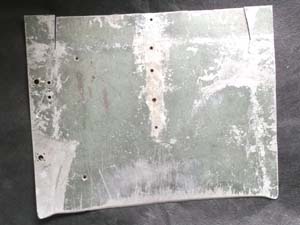
Original Spitfire panel
2 (pg3 air)
Here is second Spitfire
panel from the same aircraft , the metal is the same
thickness of the first panel shown above . No part number on
this one but definitely from the same aircraft. Probably cut
up as scrap at some time in the past.
Measures 0.550m by
0.430m
Out of stock
|
|
FW 190
 . .
Click on the
picture to enlarge
FW 190 flaps
shown in situ
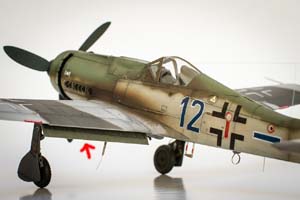
Click on the
picture to enlarge
The FW-190
has a different construction method than conventional period
wings. The top and bottom skins are one piece, while the
ribs are riveted in halves.
Fw
190A-1
With a 1600
horsepower BMW 801C engine powering a three-bladed
variable pitch propeller, the Fw 190A-1 made a top
speed of 388 MPH. The wide-track landing gear folded
in toward the fuselage, was extra strong to
accommodate future weight growth, and offered good
stability on the ground. The bubble-style plexiglass
canopy offered excellent visibility in all
directions; when it proved difficult to jettison, an
ejection mechanism was devised. The Fw 190 was built
in a modular fashion, for easy repair and
replacement in rough field conditions.
For weaponry, the Fw 190A-1
carried four rifle-caliber machine guns, two in the
cowling and two in the wing roots; all fired through
the propeller arc.
In September
1941, the Fw 190A-1 first appeared in battle against
the RAF. At first, the British weren't sure what
they were facing. They soon found out, as the FW 190
bested the Spitfire Mark V. However, the four 7.9mm
machine guns were not adequate firepower; an upgrade
to heavier armament had been planned as soon as the
guns were available.
Fw
190A-2
The next version,
the Fw 190A-2, replaced the machine guns in the wing
root with belt-fed 20mm cannon. Some A-2's added two
more 20mm cannon further outboard in the wings.
Oddly, these were drum-fed guns, whose ammunition
was incompatible with the cannon in the wing roots.
An uprated BMW
801C-2 engine powered the A-2, which began to be
delivered in the fall of 1941.
Spitfire MK IX
The MK IX spitfire
the most prolific of all Spitfire Mks was a direct
consequence of the introduction of the FW 190. The
MK IX was never meant to be a production model the
MK V had planned to be followed by the MK VIII. The
FW 190 easily out performed the Spitfire MK V and so
MK Vs were converted to use the new Merlin 66 and
rushed into service . The new MK IX was a match for
the newly introduced FW 190. The MK IX had a fourth
propeller blade but was very similar in appearance
to the MK V giving the Luftwaffe Pilots quite a
surprise when they came into contact.
MK IX
and FW 190 in combat.
Click on the
picture to enlarge

MK IX Spitfire
Click on the
picture to enlarge

In July 1942 a
Spitfire IX was flown in a comparative trial against
a Focke-Wulf 190A which had fallen into British
hands when its pilot landed by mistake at Pembrey
RAF base at in Wales. The trial showed that there
was a remarkable similarity in performance. The
following are extracts from the official report.
SPITFIRE IX VERSUS FW 190A
The FW190 was compared with a fully operational
Spitfire IX for speed and manoeuvrability at heights
up to 25,000 feet [7620 metres].
At most heights the Spitfire IX is slightly superior
in speed to the FW190 -
the approximate differences in speed are as follows:
At 2,000 ft [610 m] the FW 190 is 7-8 mph [11-13
km/hr] faster than the Spitfire
At 5,000 ft [1524 m] the FW 190 and the Spitfire are
approximately the same
At 8,000 ft [2440 m] the Spitfire IX is 8 mph [13
km/hr] faster than the FW 190
At 15,000 ft [4573 m] the Spitfire IX is 5 mph [8
km/hr] faster than the FW 190
At 18,000 ft [5488 m] the FW 190 is 3 mph [5 km/hr]
faster than the Spitfire IX
At 21,000 ft [6400 m] the FW 190 and the Spitfire
are approximately the same
At 25,000 ft [7622 m] the Spitfire IX is 5-7 mph
[8-11 km/hr] faster than the FW 190
Climb: During comparative climbs at various heights
up to 23,000 feet [7012 metres], with both aircraft
flying under maximum continuous climbing conditions,
little difference was found between the two aircraft
although on the whole the Spitfire was slightly
better.
Above 22,000 feet [6707 m] the climb of the FW 190
is falling off rapidly, whereas the climb of the
Spitfire IX is increasing.
Dive: The FW 190 is faster than the Spitfire IX in a
dive, particularly during the initial stage. This
superiority is not as marked as with the Spitfire
VB.
Manoeuvrability: The FW 190 is more manoeuvrable
than the Spitfire IX except in turning circles.
The superior rate of roll of the FW 190 enabled it
to avoid the Spitfire IX by turning over into a
diving turn in the opposite direction.
The Spitfire IX's worst heights for fighting the FW
190 were between 18,000 and 22,000 feet [5486-6707m]
and also below 3,000 feet [914m].
The initial acceleration of the FW 190 is better
than that of the Spitfire IX under all conditions of
flight, except in level flight at altitudes where
the Spitfire has a speed advantage.
The general impression of the pilots involved in the
trials is that the Spitfire Mark IX compares well
with the FW 190. Providing the Spitfire IX has the
initiative, it undoubtedly stands a good chance of
shooting down the FW 190.
|
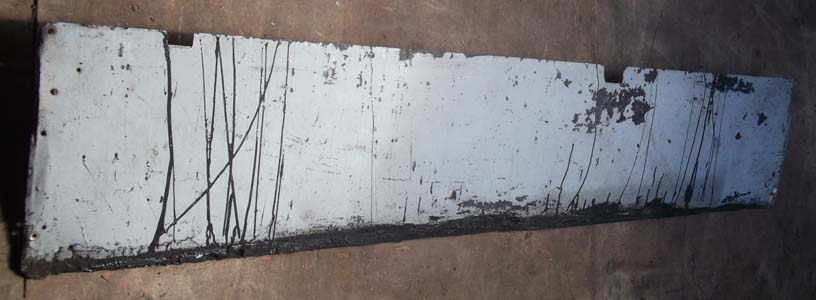
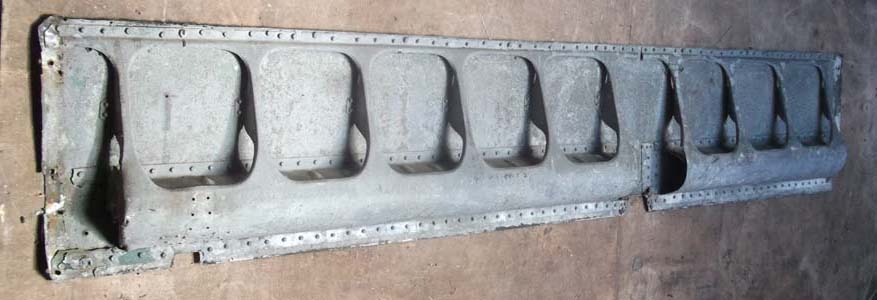
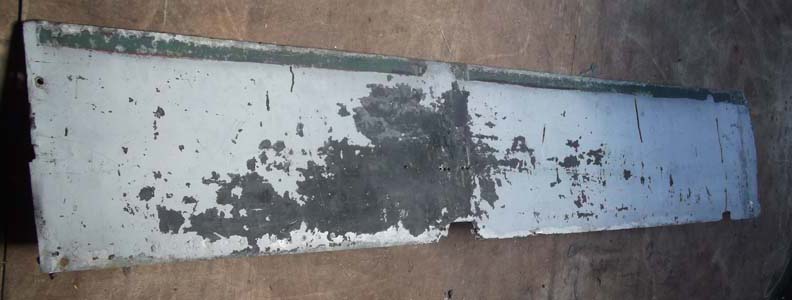
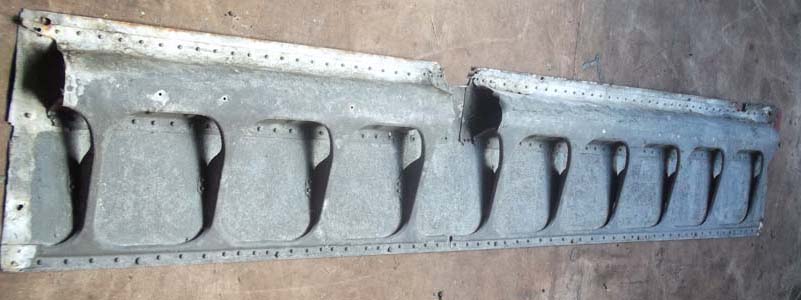
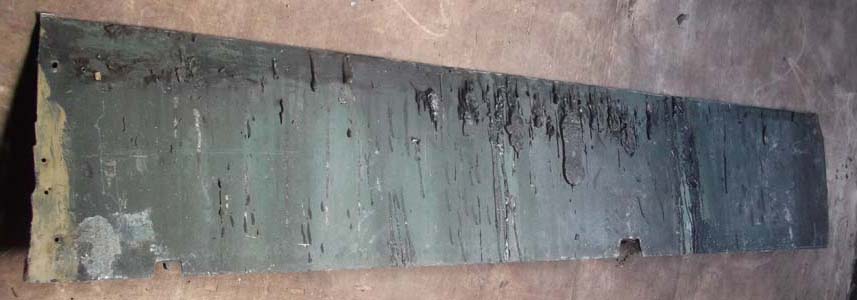
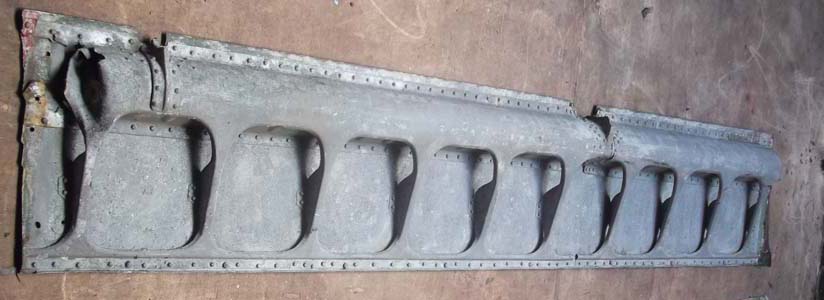
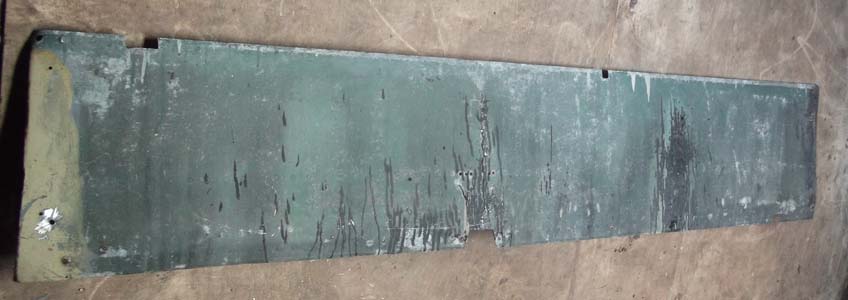
Focke-Wulf 190 Flap 1 1(pg3 air)
Here are Three original flaps from a FW
190. These are in good condition , not from a crash sight
they were found being used as part of a shed roof and still
have the remains of tar on them, this can easily be removed
with a suitable solvent.
They are complete and
straight and would be excellent for use in a static
restoration.
It possible some parts my be usable for a
flying restoration please see the expanded pictures for
condition.
We have three available and they vary in
condition. If you want to buy more than one
contact us and we will give
you a combined postage quote and a multiple purchase
discount.
Click on the
picture to enlarge
Click on the
picture to enlarge
FW flap 2 (Pg
Airframe 3 )
This piece o ut of stock.
Click on the
picture to enlarge
FW flap 3 (Pg
Airframe 3 )
£850
Reserved
Overseas
buyers
contact us for shipping
quote
Click on the
picture to enlarge
£850
FW flap 4 (Pg
Airframe 3 )
Reserved
Overseas
buyers
contact us for shipping
quote
|
Click on the
picture to enlarge
Out of stock
Over seas
buyers please
contact me for a shipping
quote
|
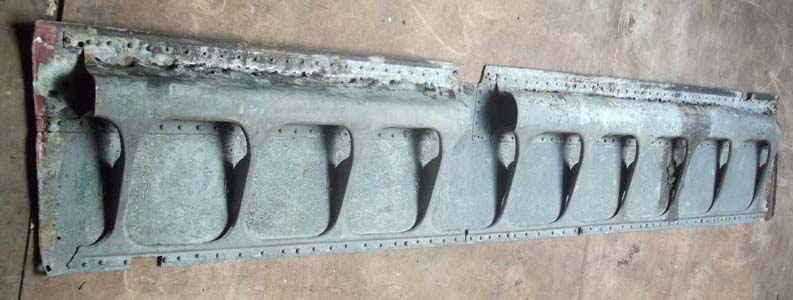
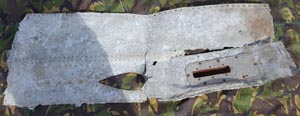
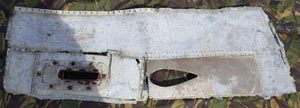
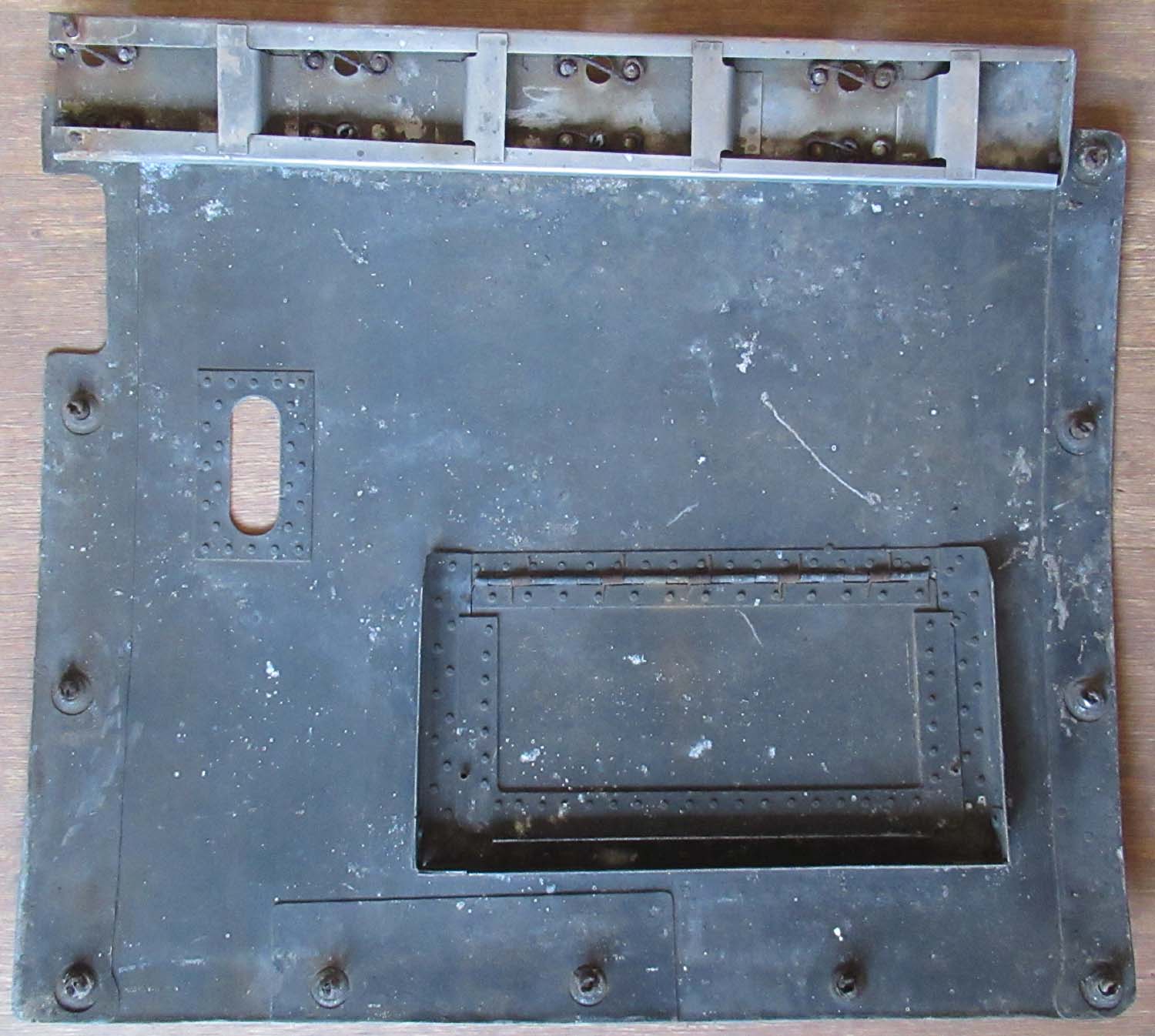
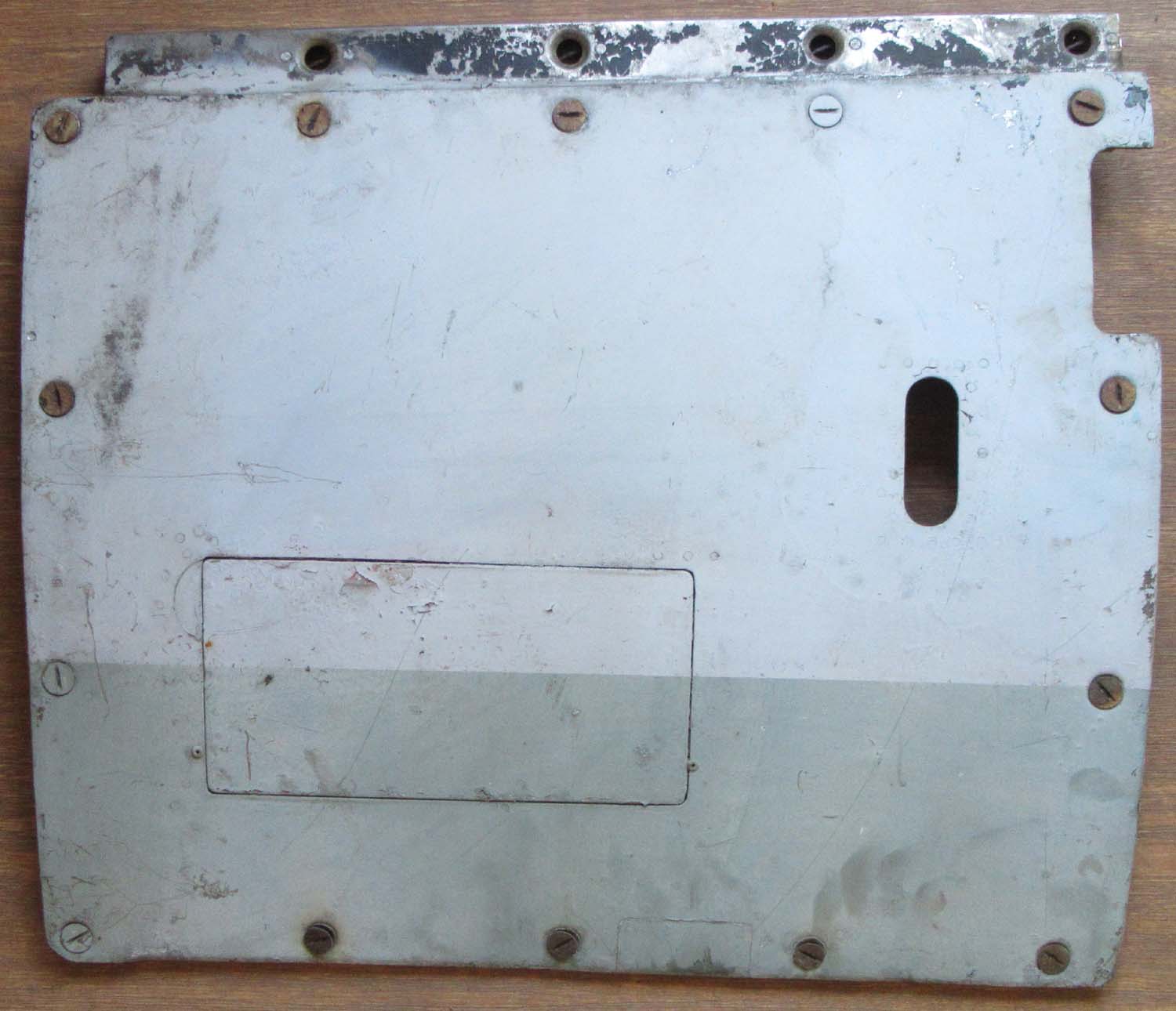
Original Spitfire lower wing panel with 20mm cannon ejection chute *(Pg3 air)
A large panel
giving access to the 20mm cannons with the ejection chute
all original great as a pattern or with great potential as a
wall hanger for artwork.
Click on the
picture to enlarge
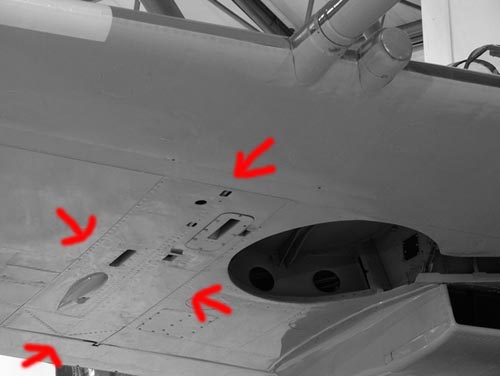
The position of the
panel can be seen above. |
|
Out of stock more required please
contact me |
Crow Bar Clip (pg1 air)
Click on the pictures to enlarge
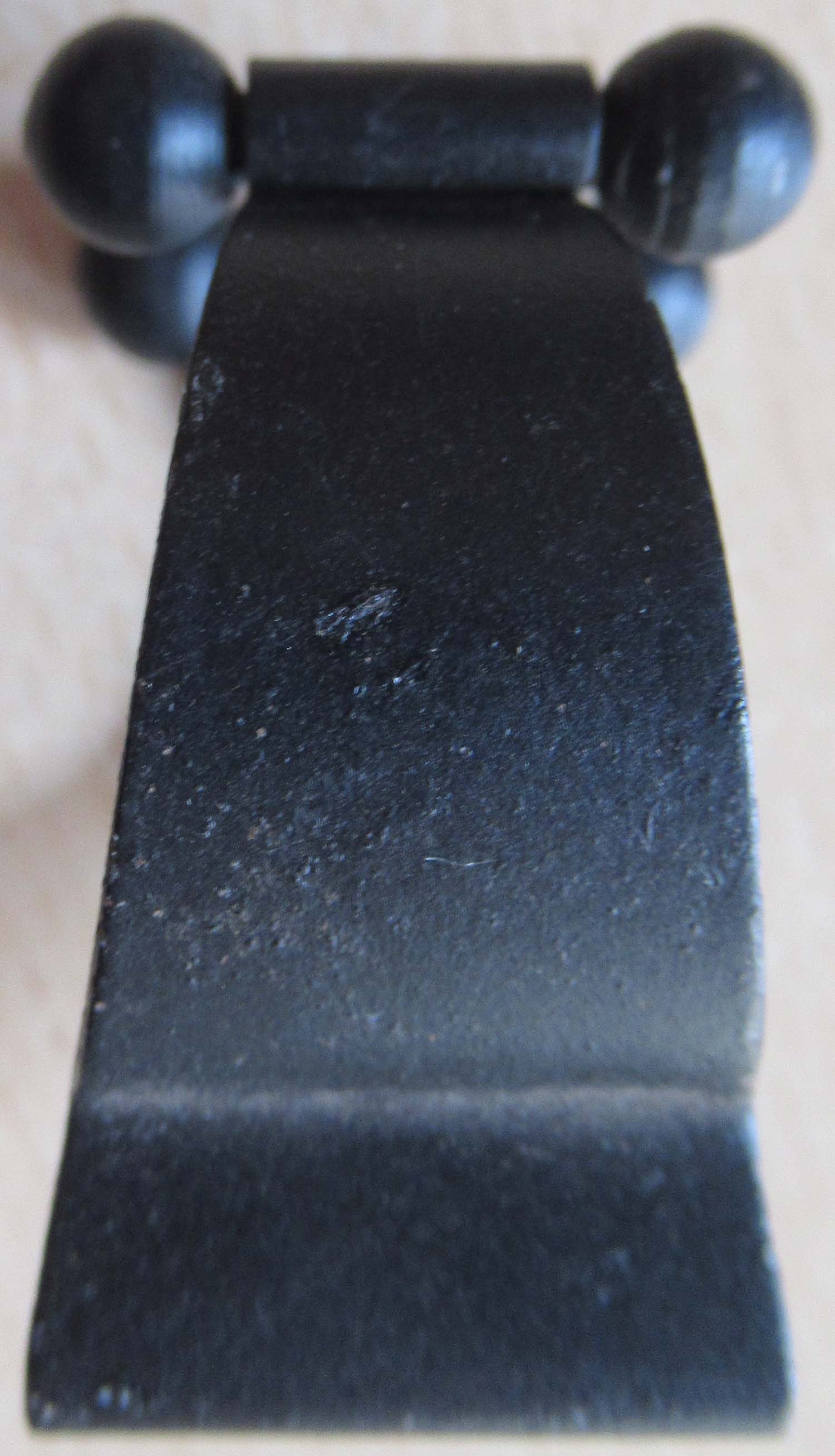
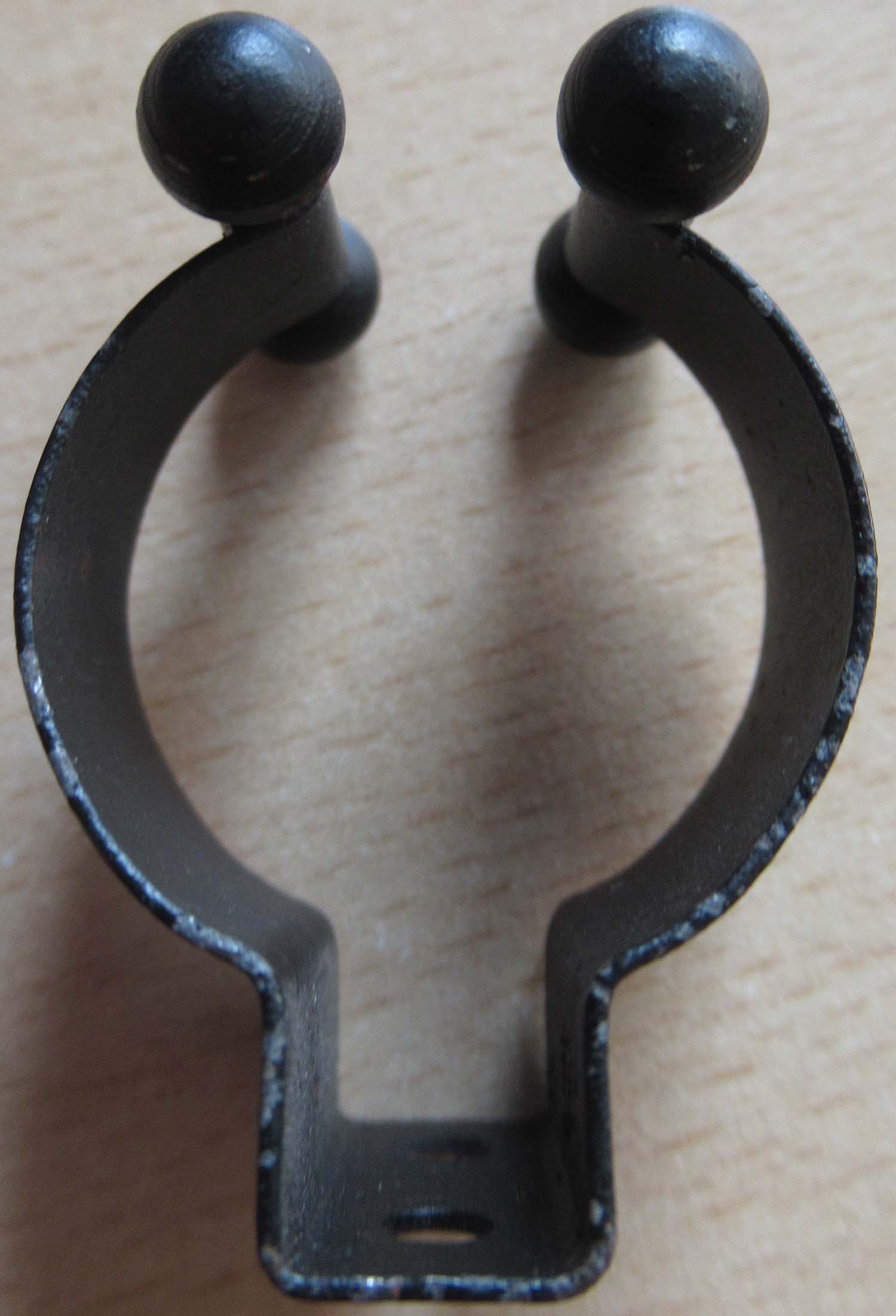
This is the correct size for
holder the Spitfire crowbar in place on the door.
|
|
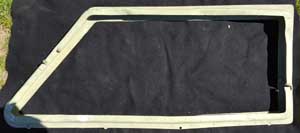
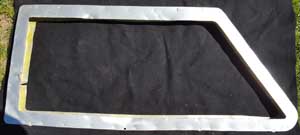
B17 Flying Fortress Window frame 1 (pg1 air)
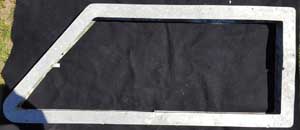
Click on
the picture's to enlarge.
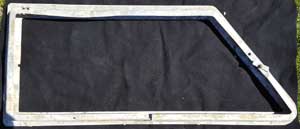
Out of stock
B17 Flying
Fortress Window frame 2 (pg1 air)
 Click on
the picture's to enlarge.
Out of stock more wanted
contact me
|
B17 Flying Fortress Window frame 1 (pg1 air)
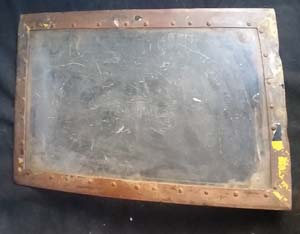
Here are
two window frame's from a B17 sorry no history with these
, please enlarge the pictures to assess the condition.
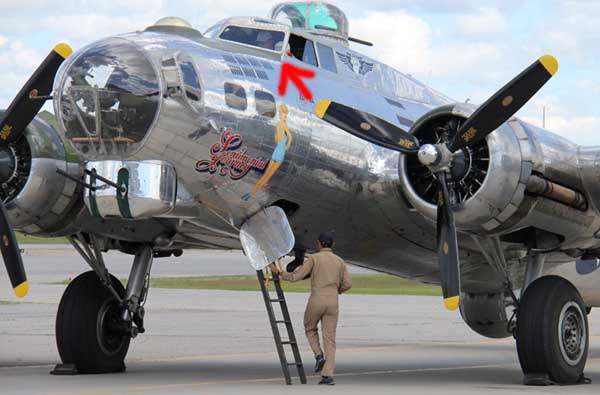
Above and
below the B17 Flying Fortress

|
Click on the
pictures to enlarge them
|
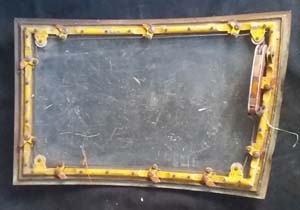
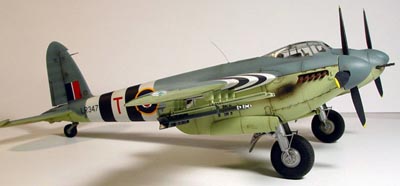
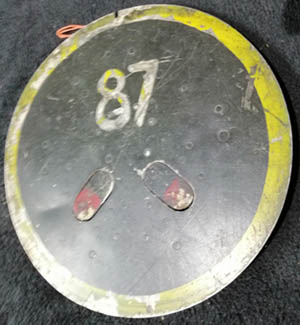
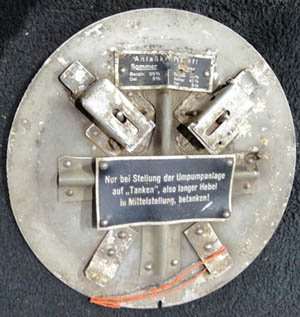
Mosquito Escape
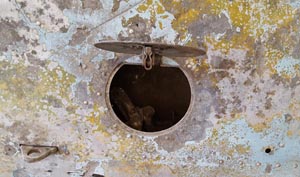
hatch (pg1 air) This
is a Mosquito escape hatch mounted above the crews heads in
the canopy information gratefully received from the Mike of
the Windsor Mosquito Bomber group Canadian Historic Aircraft
association
It
has Mosquito stencilled across the window but does not show
on the picture. It has its locking catches all in place.
Out of
Stock More Mosquito parts wanted
Contact Us |
 Click on
the picture's to enlarge.
|
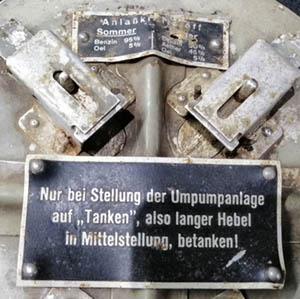
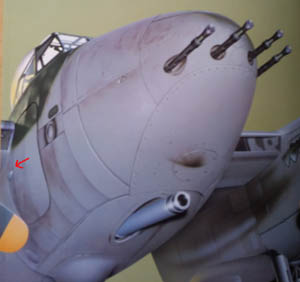
HE III Access panel
2 (pg1 air)
This is superb
piece a rare access panel from a HE III in excellent
condition the catches release and function as they should.
Most likely taken as a souvenirs at the time the aircraft
was shot down possibly during the Battle of Britain.
Click on
the picture's to enlarge.
 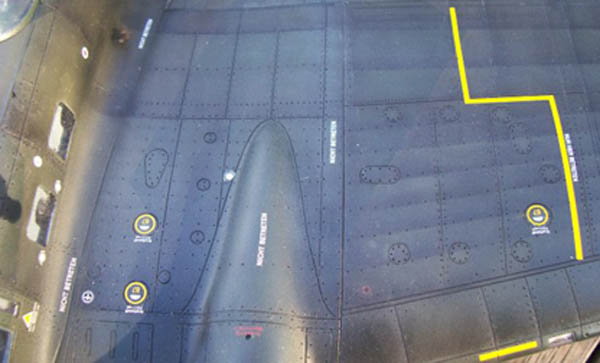
The panels
position seen above right was between the engine and the
fuselage of the aircraft.
Out of stock |
 |
Spitfire Engine mount part (pg1 air)
This is an original part
of the Spitfire engine mount it has some surface corrosion
on one side.
Out
of Stock More Wanted
Contact Us
|
 Click on
the pictures to enlarge them.
 |
Luftwaffe Drop Tank
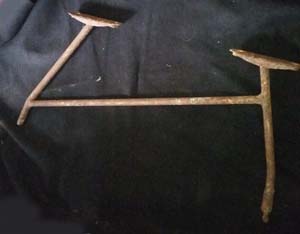
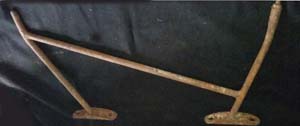
Stabiliser (pg1 air)
Here is a drop tank
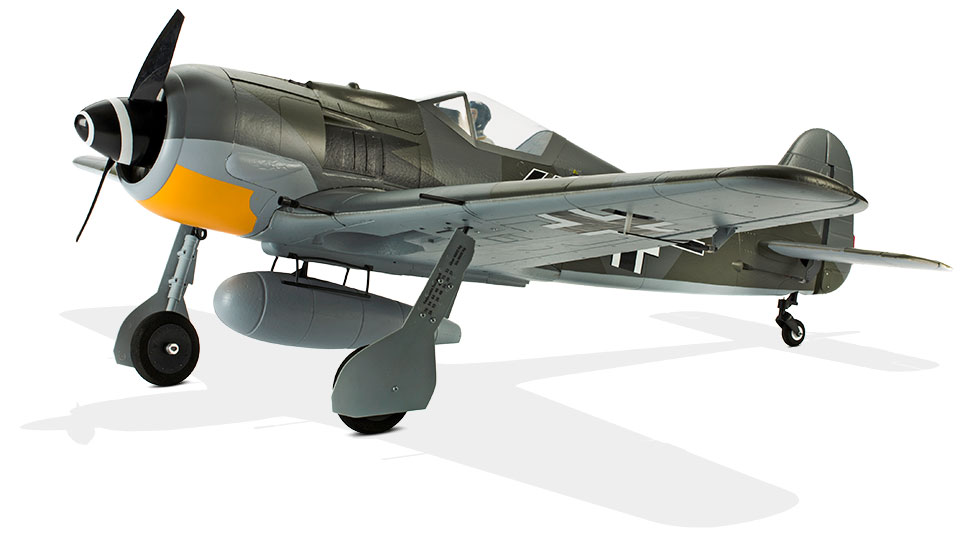
Stabiliser as used on the Bf109 and Fw190
It was attached underneath
the fuselage and used to hold the drop tanks in place
Fw190 with
Drop Tank
Out of stock more wanted
please contact me if you
have one for sale
|
|
Click on the
picture's to enlarge.
Out of Stock
More Wanted
Contact Us
|
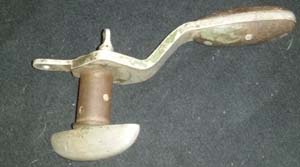
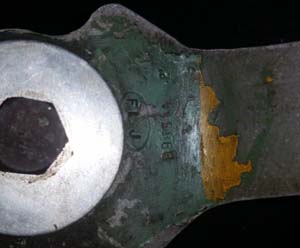
De Havilland Mosquito Door
Handle (pg1 air)
Here we have a Handle that
was Used on the Crew Door For the DH Mosquito
The Part Number is B983142
and there is a DH Makers Stamp
B Indicates Fuselage, 98
Mosquito and a even drawing number indicates Right Hand Side
This was part of the W/Cdr
Peter Henley Collection so may have come from Mosquito RR299
of which he was a display pilot
A Nice Original Serviceable
Part
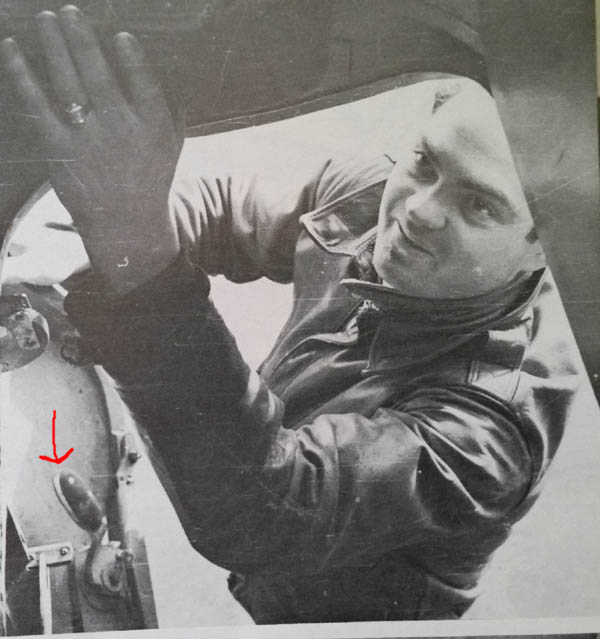
Seen in situ
above
|
Click on the
pictures to enlarge
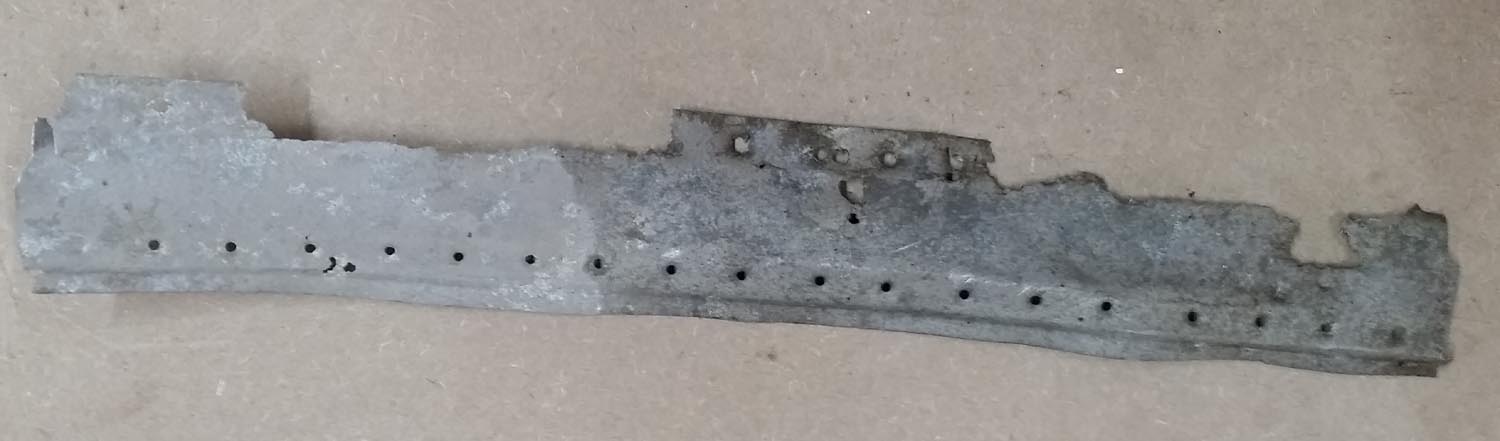 |
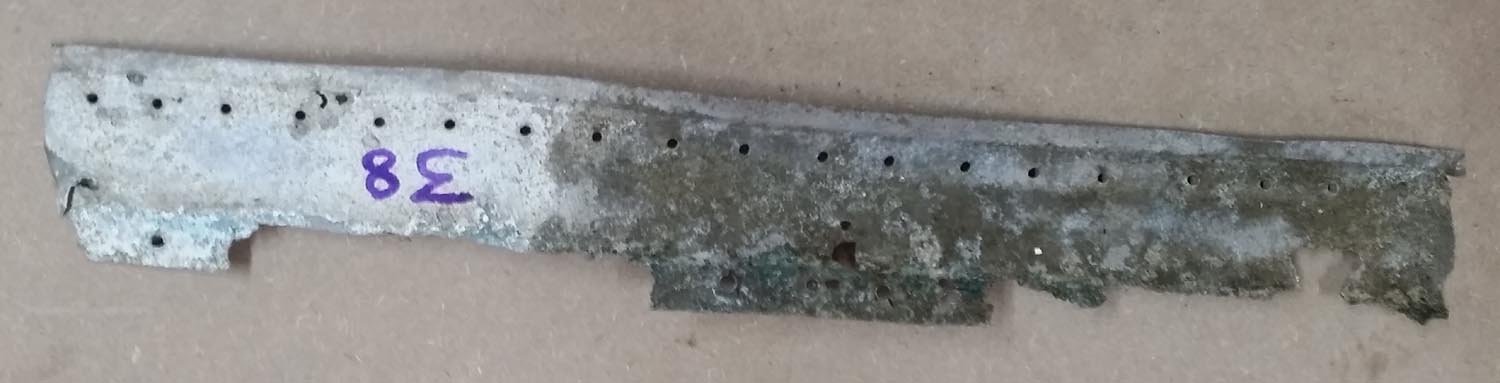
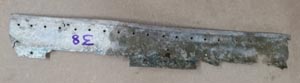
Spitfire
Airframe part 38*(Pg 4 Airframe )
Original
Spitfire part.
Out
of stock more required please
contact me |
Click on the
pictures to enlarge
 |
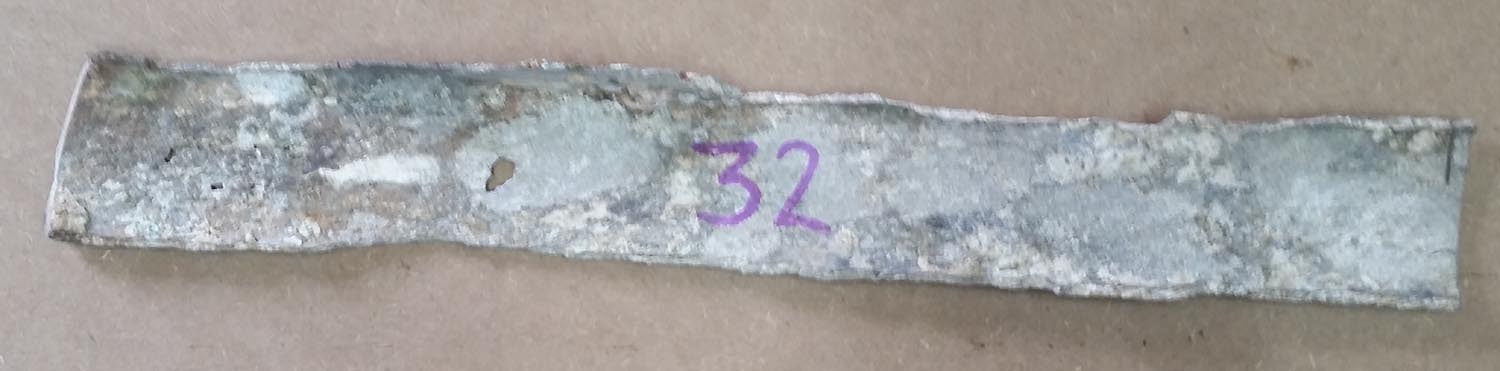
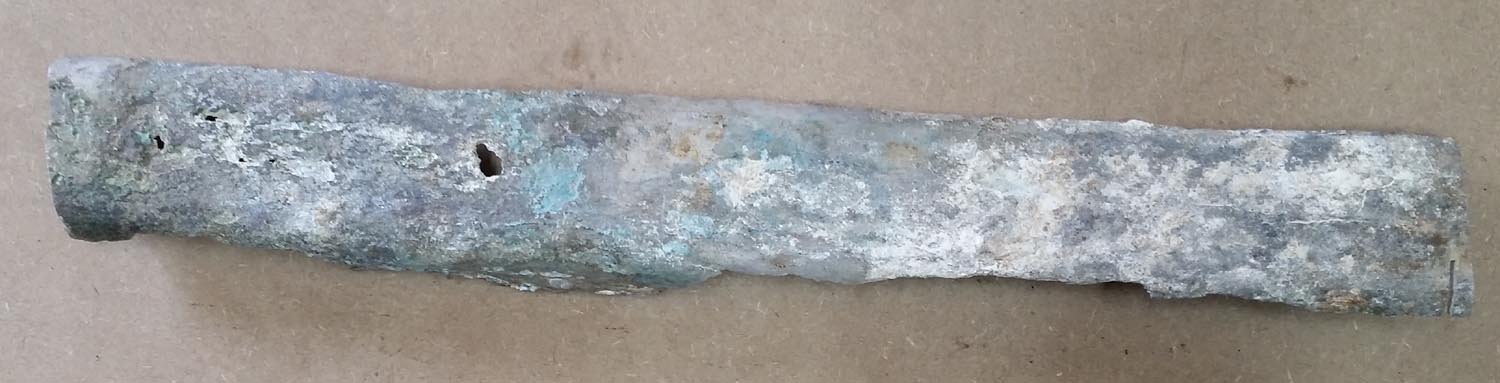
Spitfire
Airframe part 32*(Pg 4 Airframe )
Original
Spitfire part.
Out
of stock more required please
contact me |
Click on the
pictures to enlarge
 |
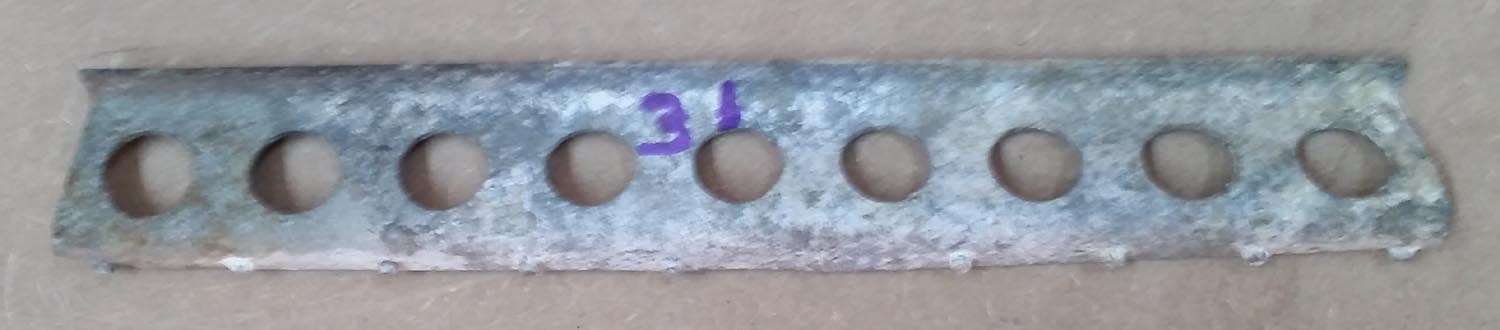
Spitfire
Airframe part 31*(Pg 4 Airframe )
Original
Spitfire part.
Out
of stock more required please
contact me |
|
Click on
the pictures to enlarge
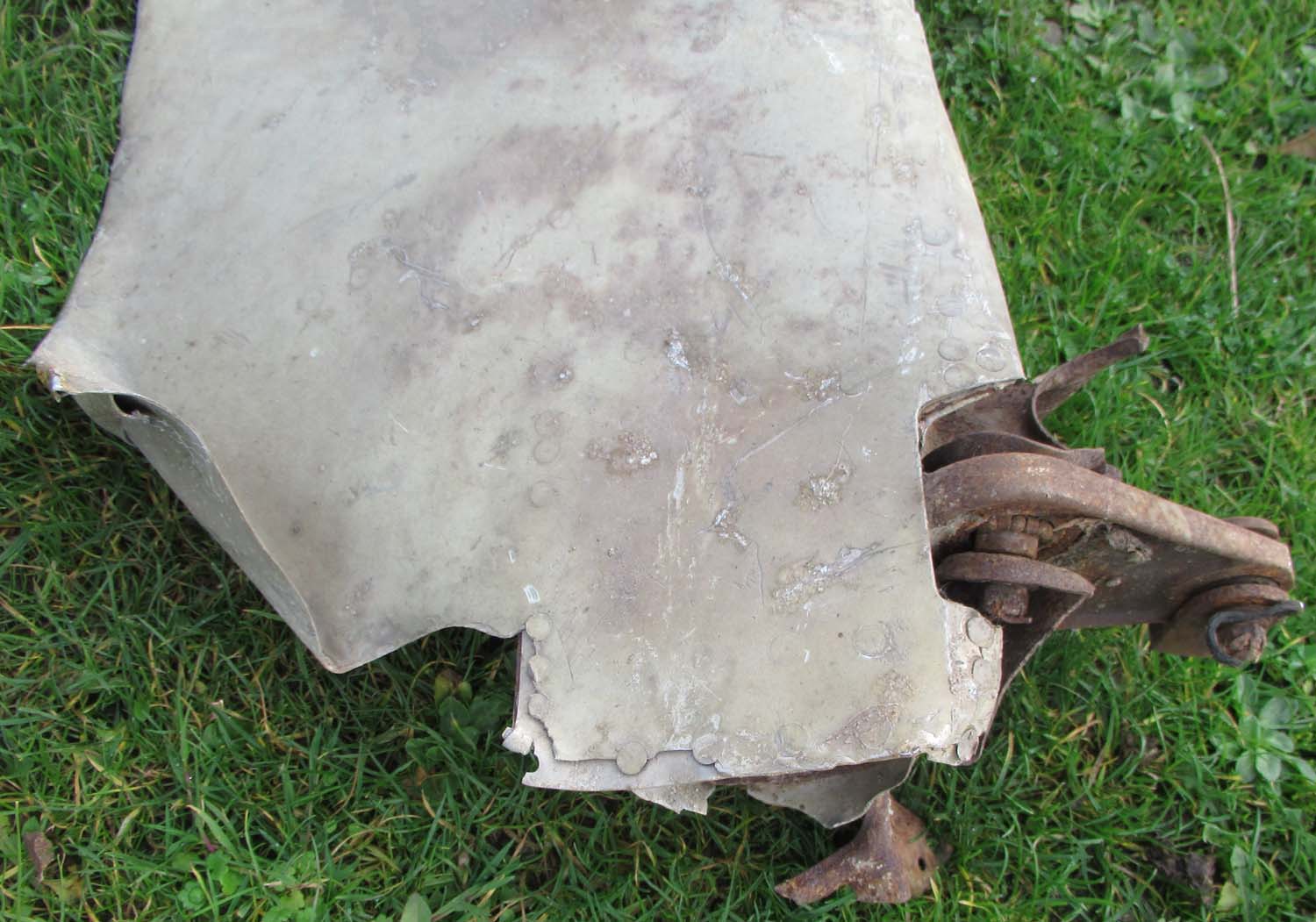
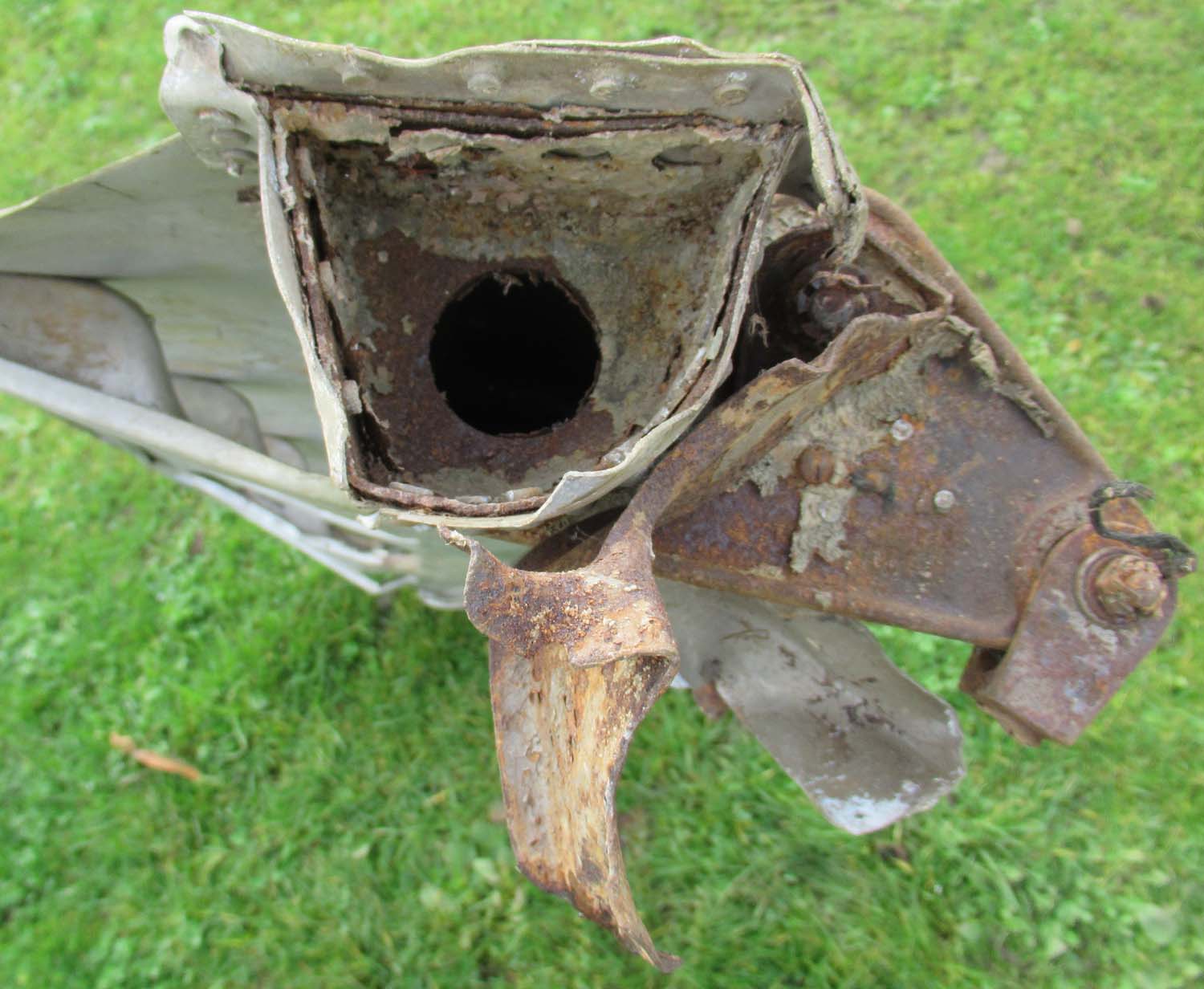
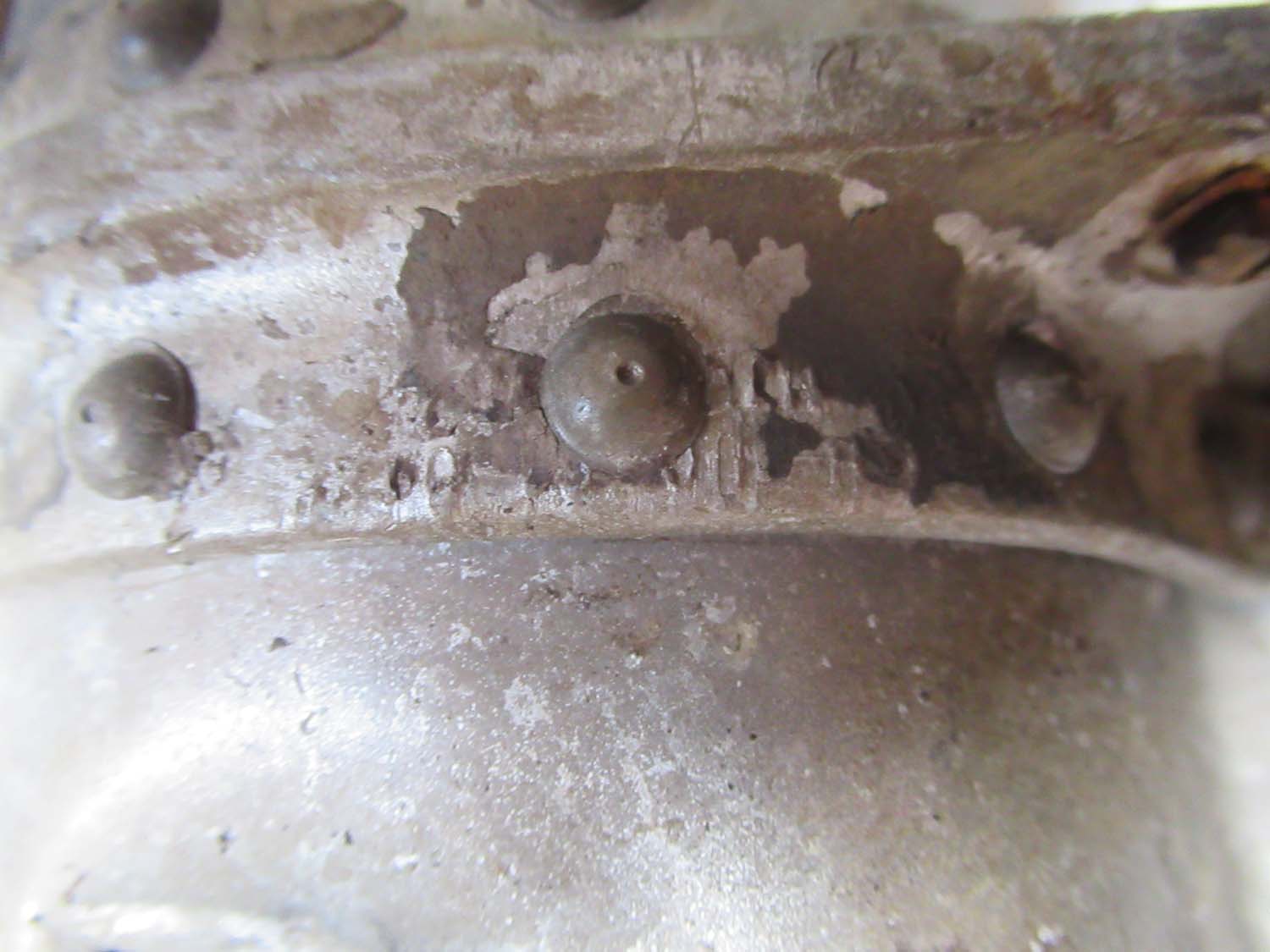
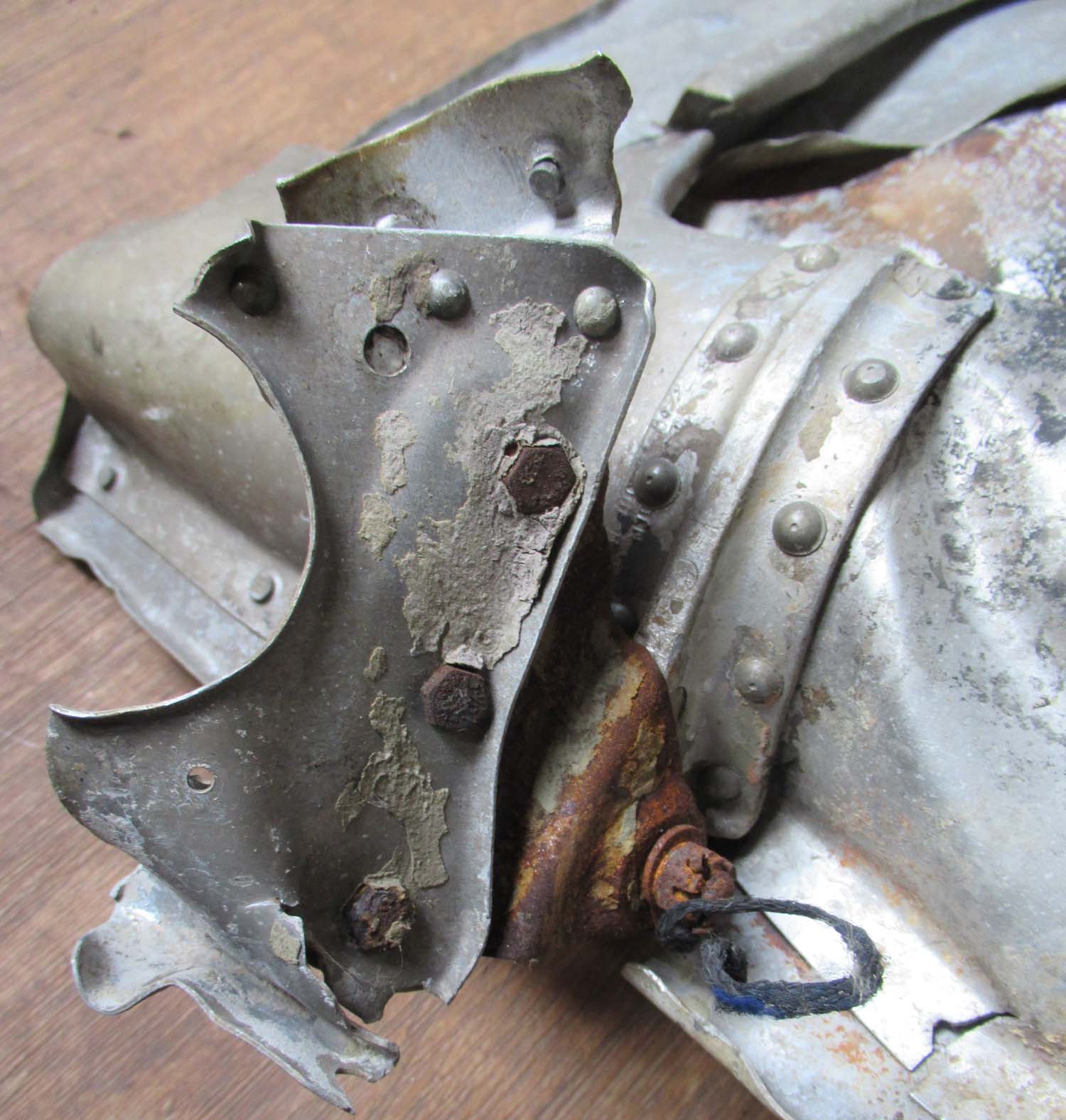
|
FW 190 Flap (pg1 air)
Here we have a complete flap
from a FW 190 clearly from a crash sight but sadly we do not
know the history of the aircraft,
The FW 190 known as the
butcher bird by the Allies may not have been pretty but was
an exceptional fighter , when introduced in late 1941 it
proved superior to the Spitfire MK V which suffered
heavy losses to the 190. The MK VIII Spitfire was not ready
to enter service so the MK IX basically a MK V with an extra
prop blade , radiator and two speed supercharged Merlin 66
was rushed into service. This proved more than a match for
the 190 and shocked many Luftwaffe Pilots with its
performance, it became the most produced Mk of Spitfire of
the war.
.jpg)
Click on
the pictures to enlarge
Out of stock, more always wanted.
Please contact me
|
Click on
the picture's to enlarge.
Out of
stock more required please
contact me |
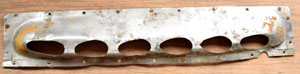
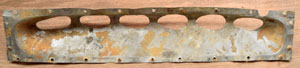
P51 Mustang Exhaust Cowling (pg1 air)
This is great piece an exhaust engine
cowling from the P51 Mustang. It appears to be made of
stainless steel and is corrosion free.
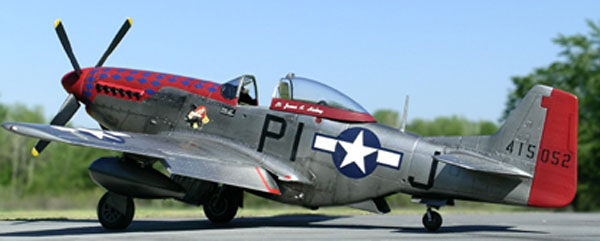
A veteran of Wo |
|
Click on pictures to enlarge
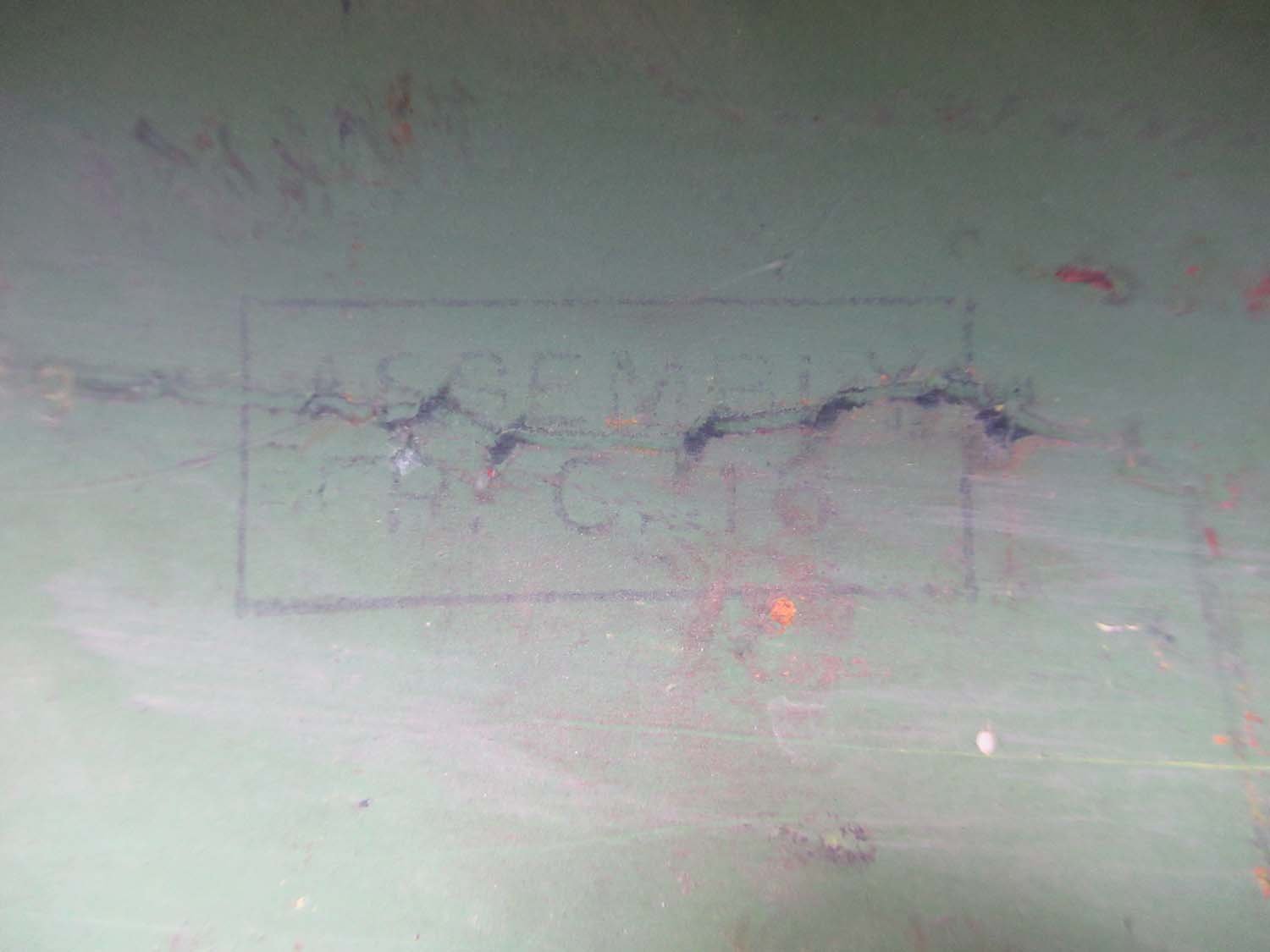 |
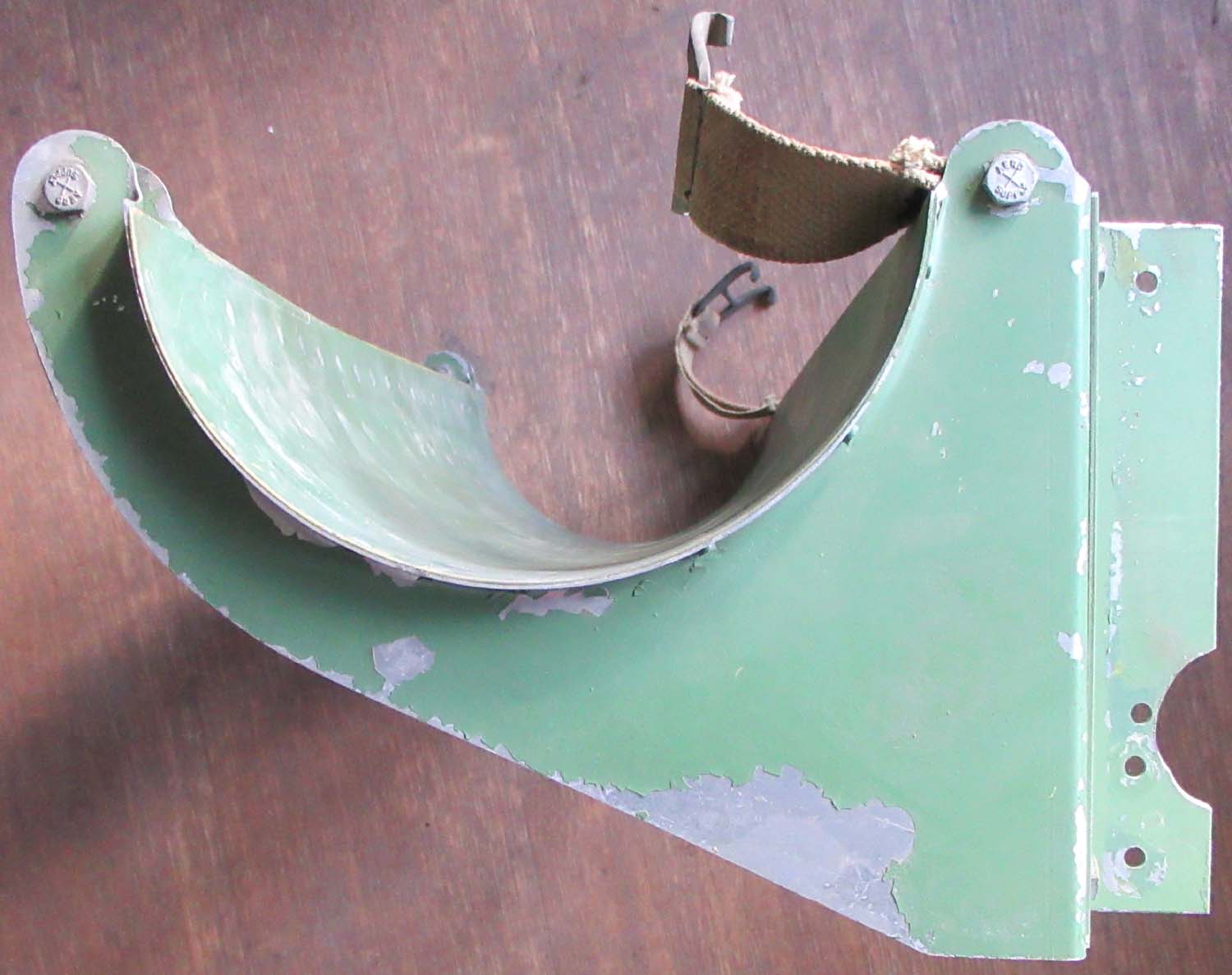
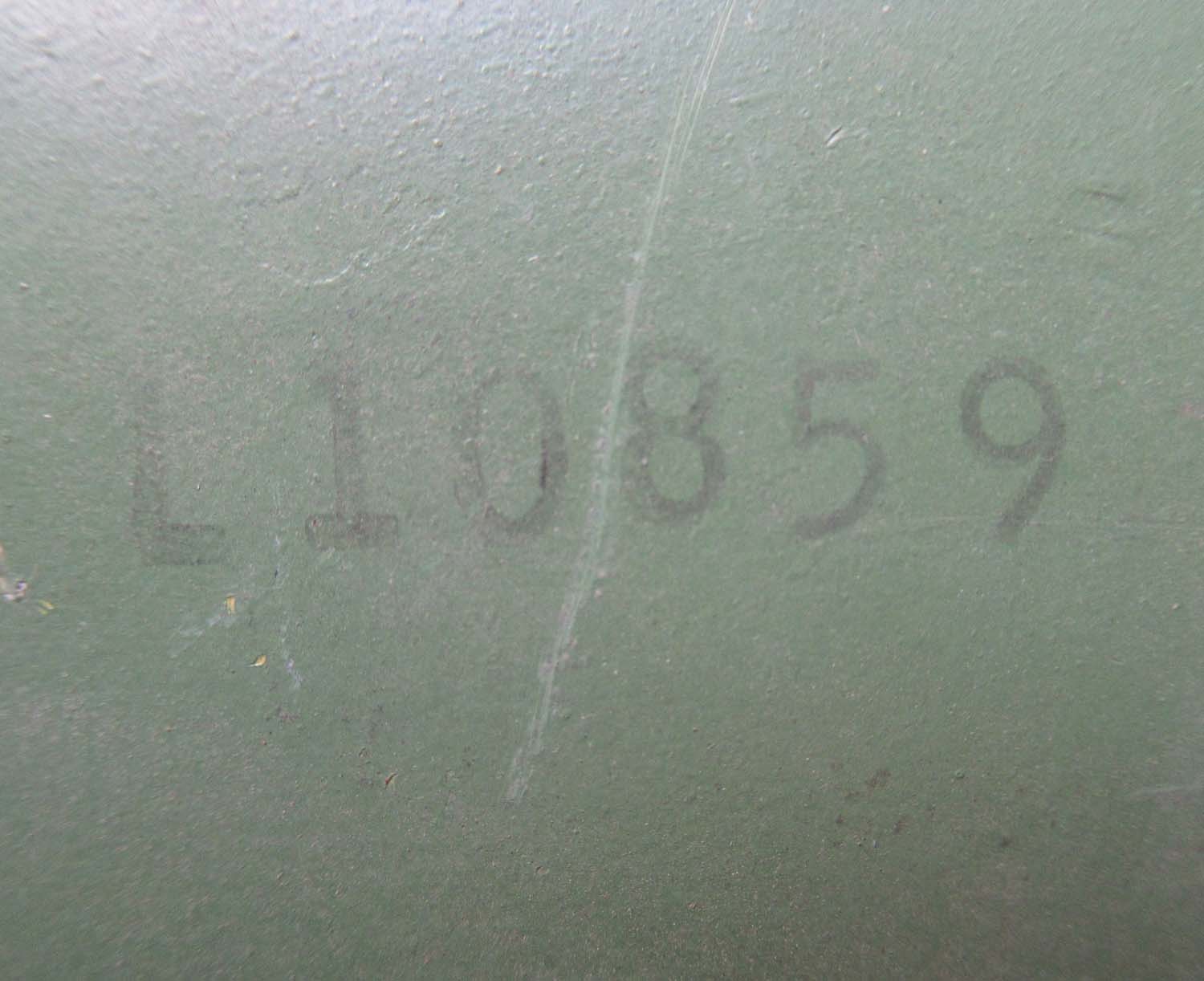
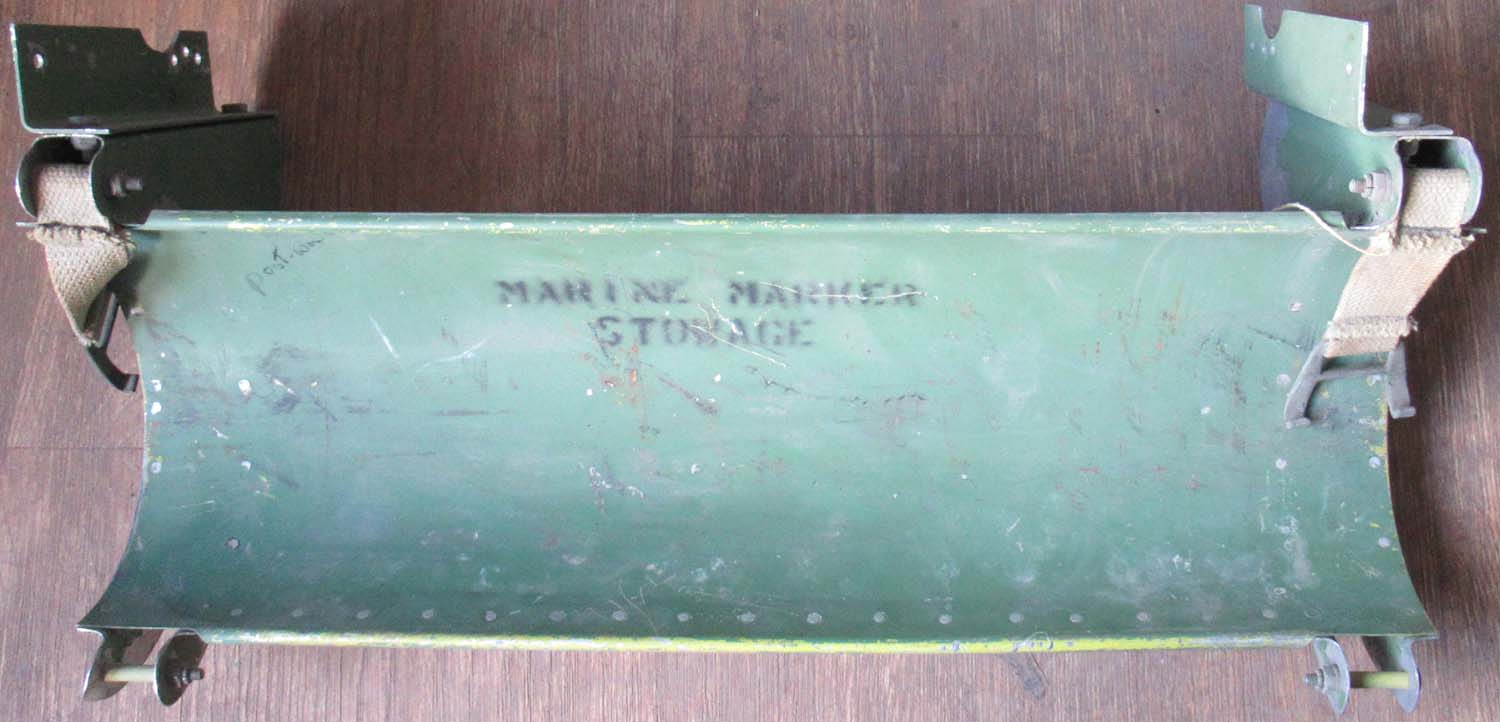
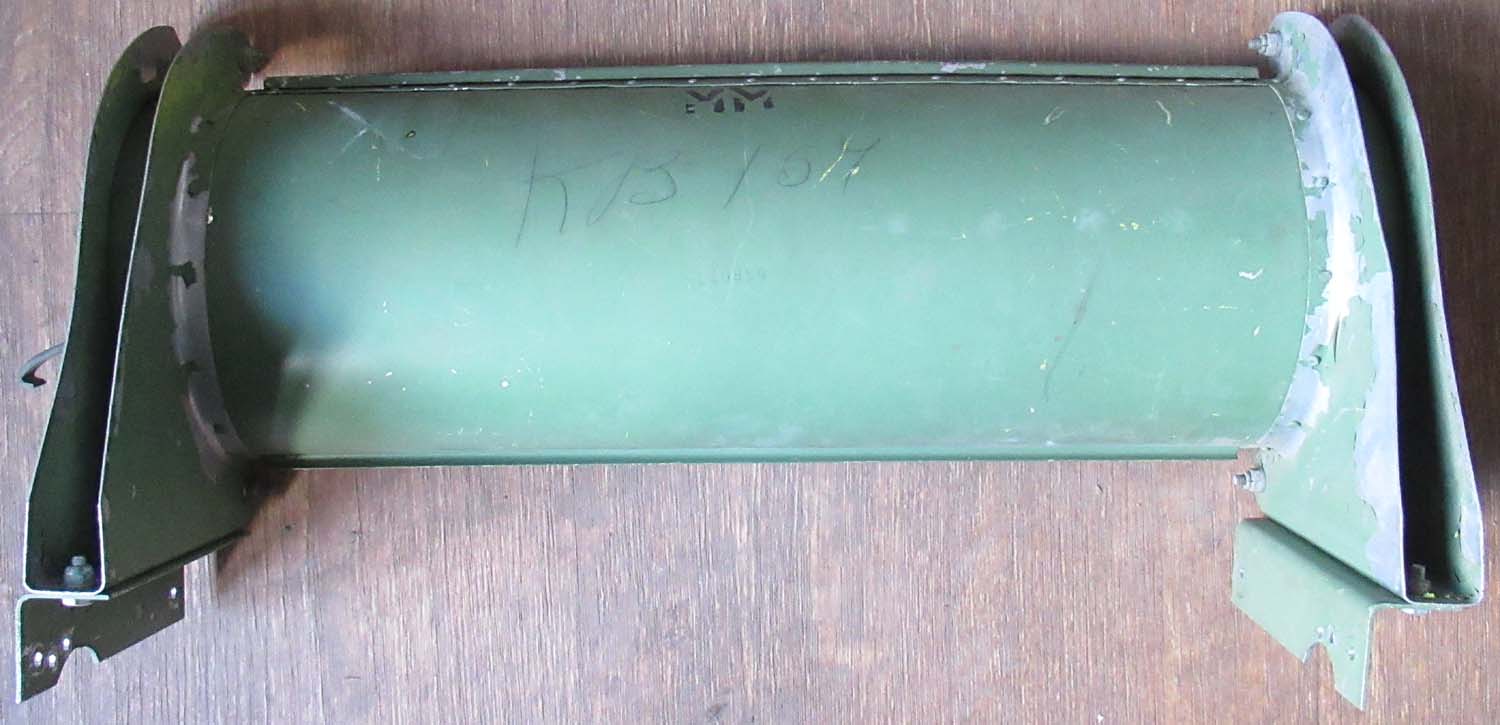
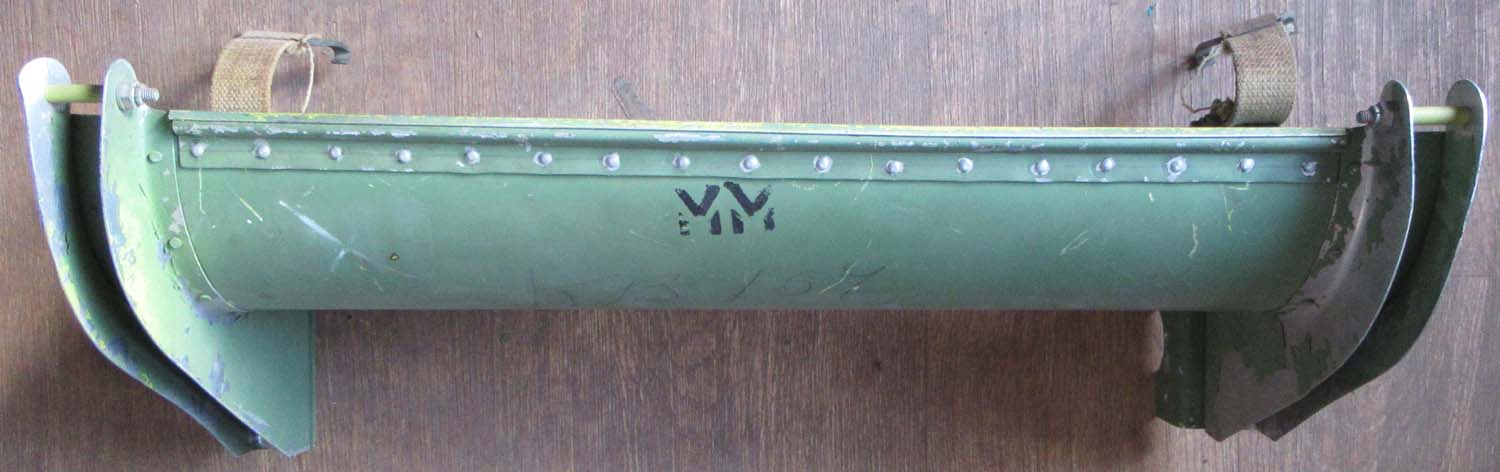
Lancaster FM 159 Marine Marker Stowage (pg1 air)
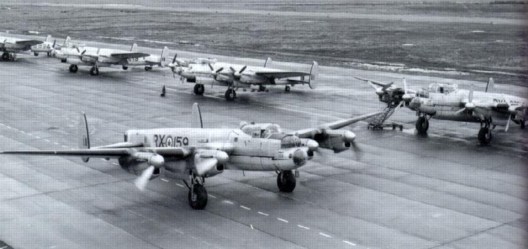
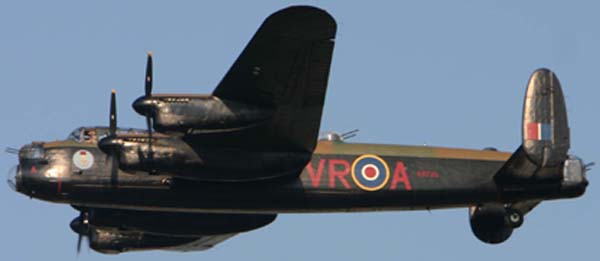
Shown above
left Lancaster FM 159 above right a MK X Lancaster in her
wartime camouflage
Here are some original marine marker flair storage holders
from
the Bazalgette Lancaster.
FM159 is one of the
7374 Avro Lancaster bomber aircraft produced during
WWII. This Lancaster was produced by Victory Aircraft Ltd in
Malton, Ontario in 1945 and made it to England too late to
serve in the war. It was flown back to Canada where it
served in reconnaissance missions through the Canadian North
for several years, until being decommissioned from service
when it was bought to serve as a war memorial in Nanton,
Alberta.
Today the FM159 is the
feature plane at the Nanton Bomber Command Museum.
Click on pictures to enlarge
Out of stock
more wanted please
contact me |
|
Click on pictures to enlarge
 |
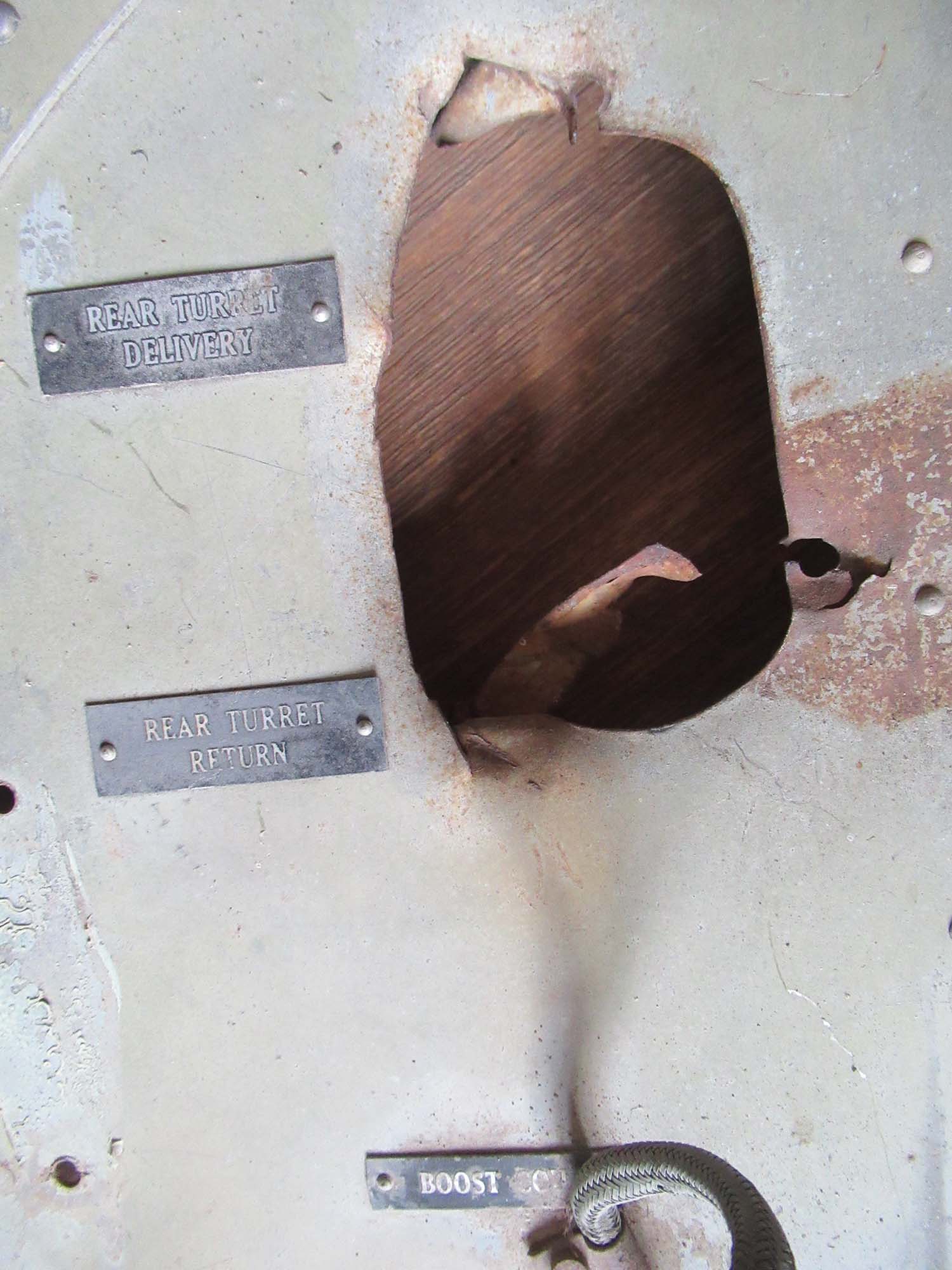
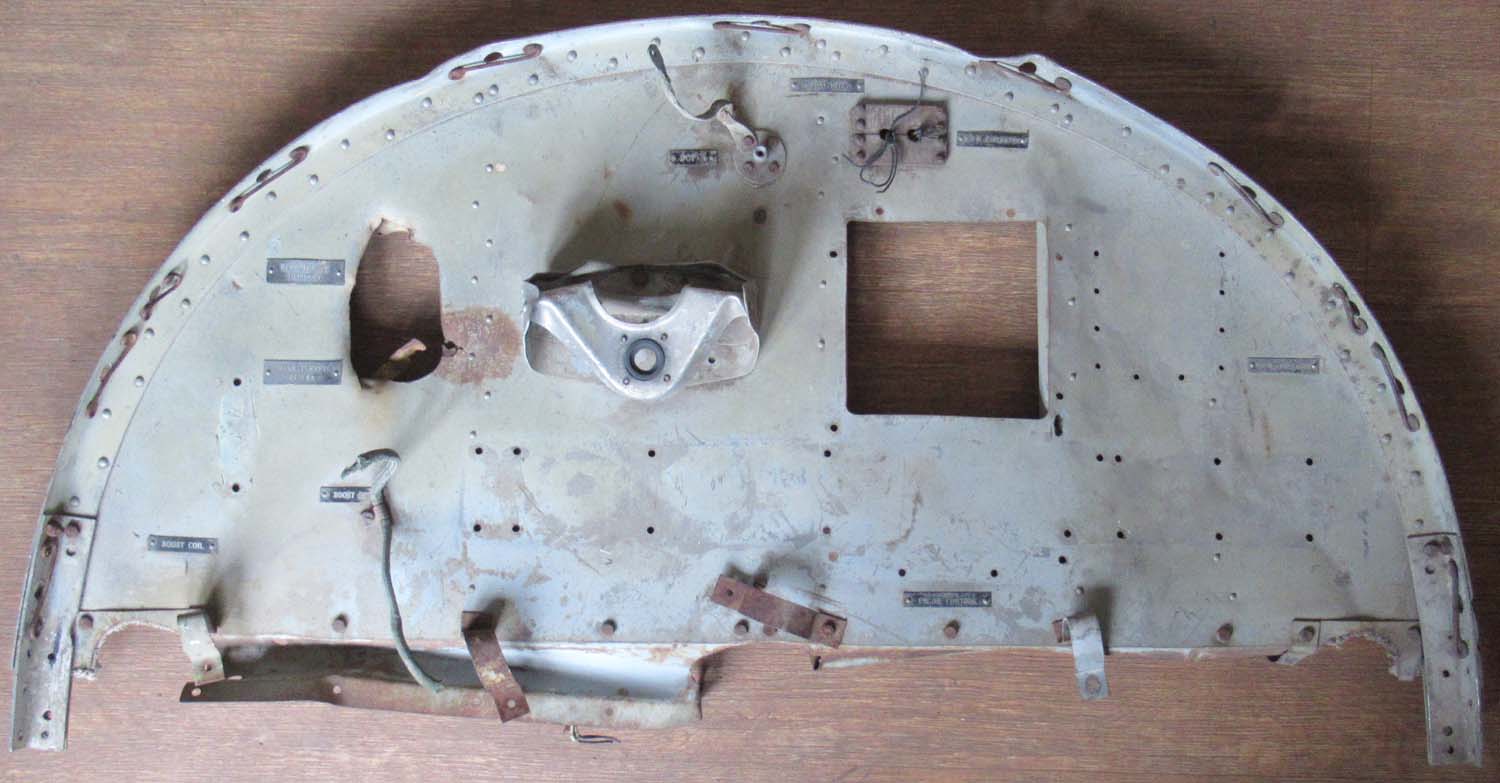
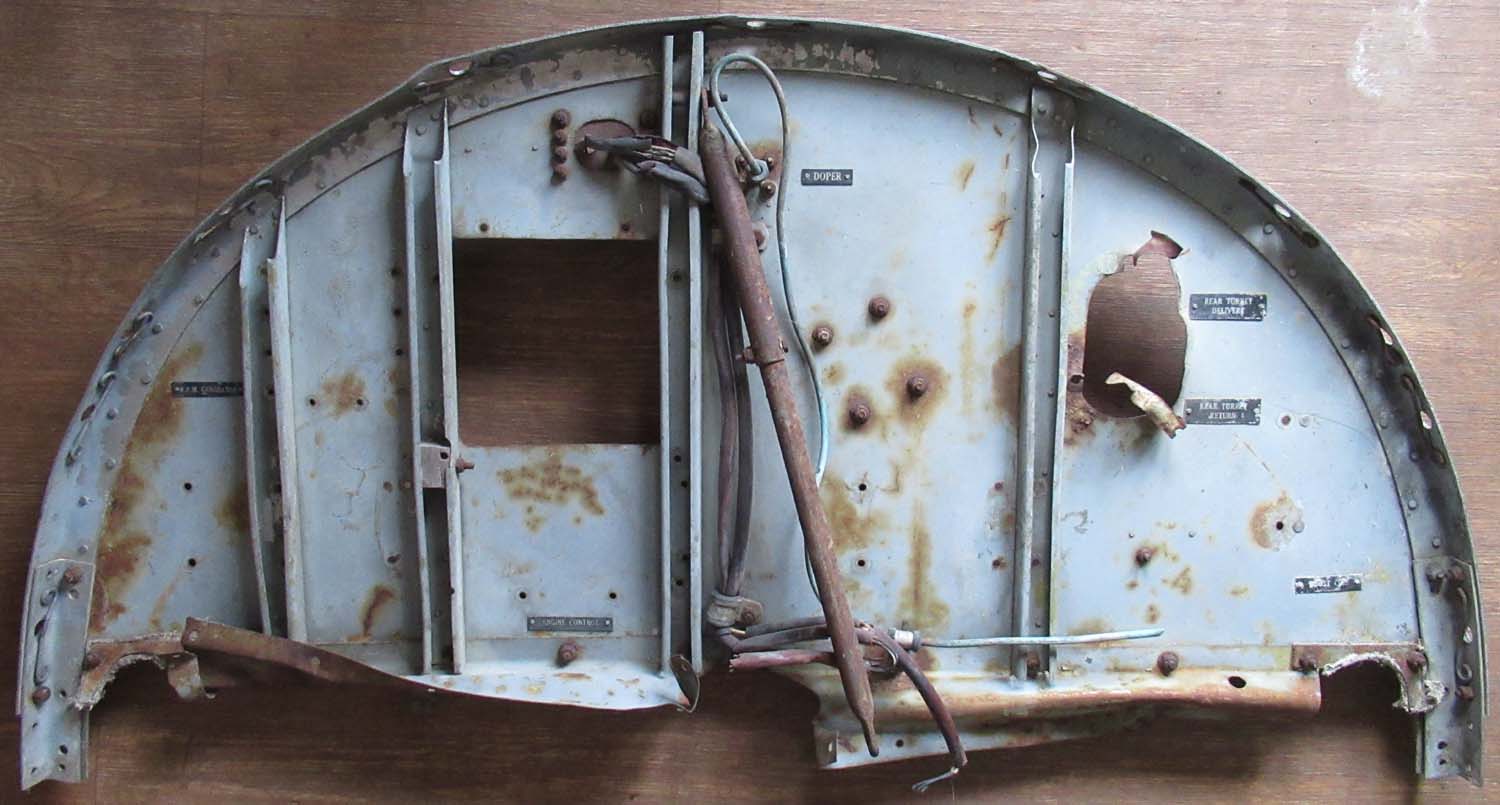
Lancaster Firewall (pg1 air)
Here we
have an original top section of the firewall from a
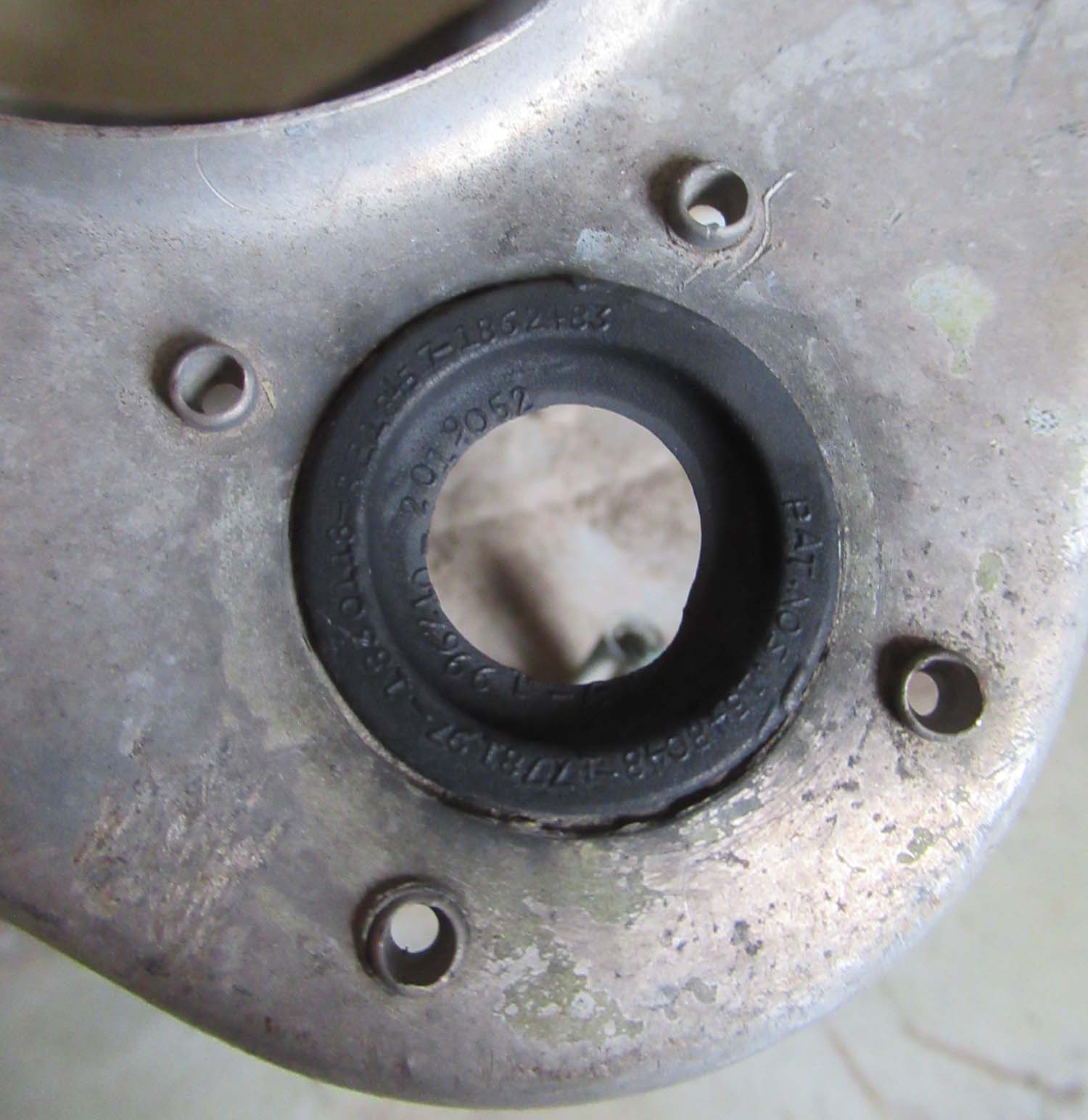
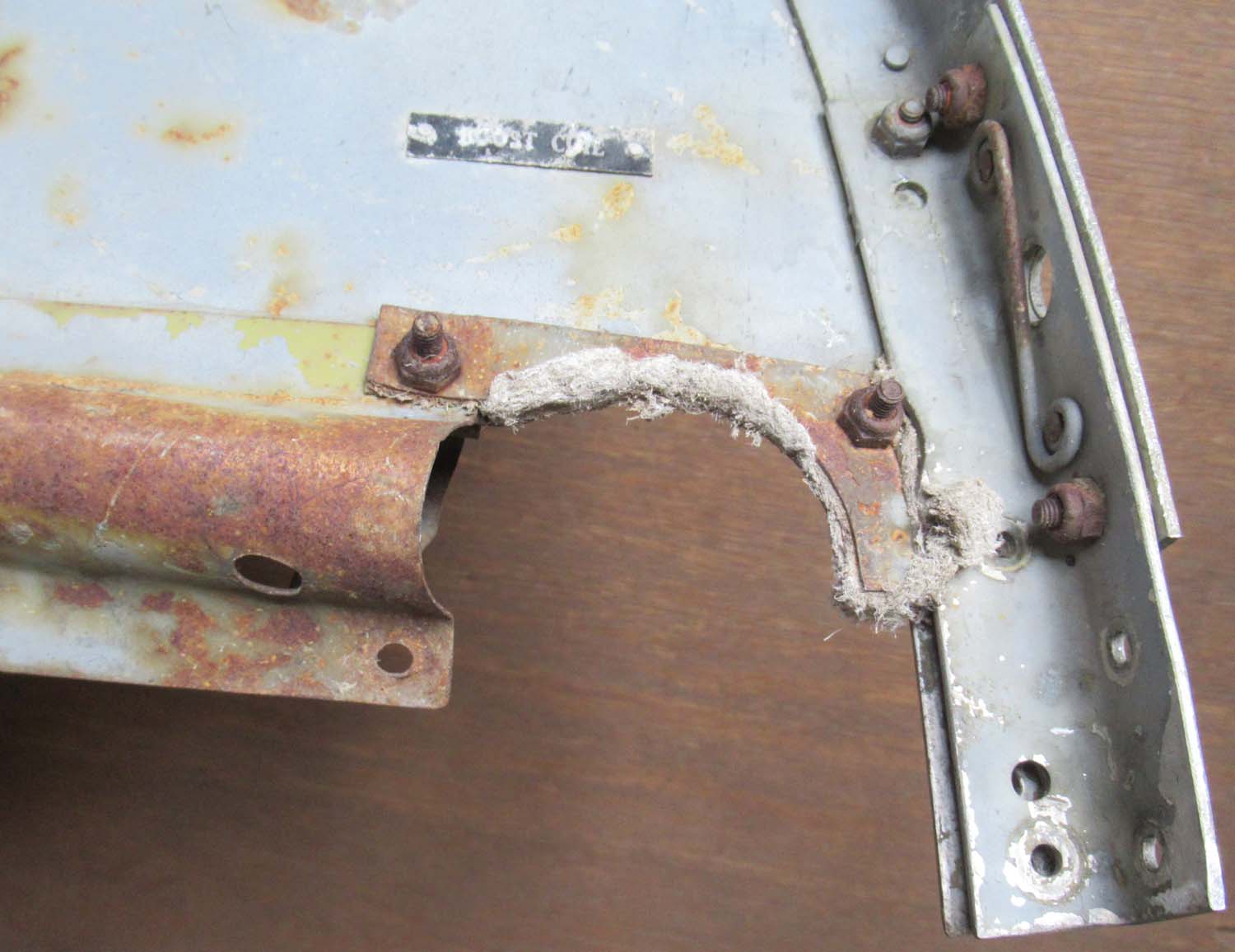
Lancaster Bomber, it is nicely marked with original labels.
The
firewall sat behind the engine and held filters and fittings
to supply hydraulic and electrical power from the engines to
the different systems in the aircraft including the turrets
Click on pictures to enlarge
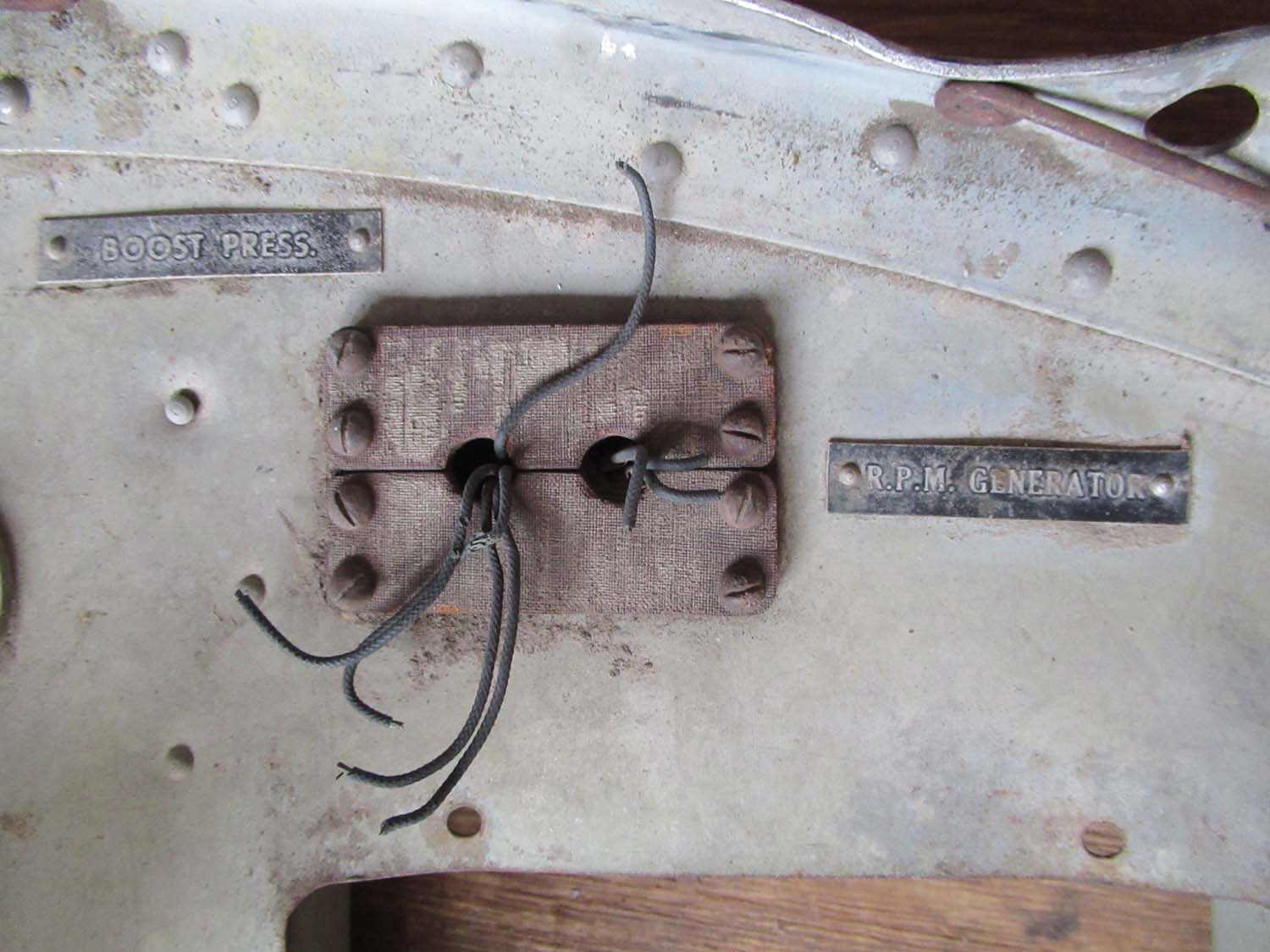
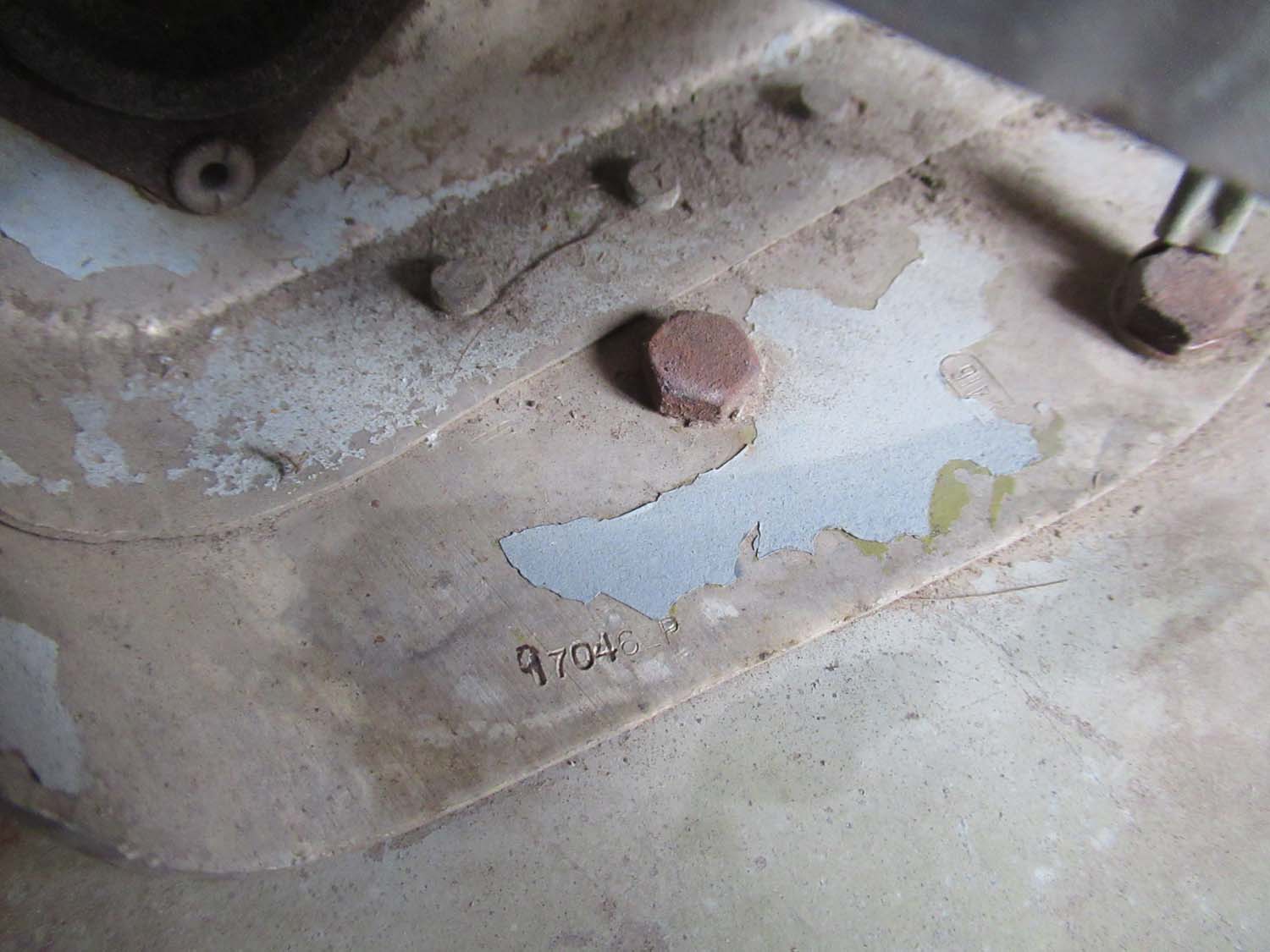
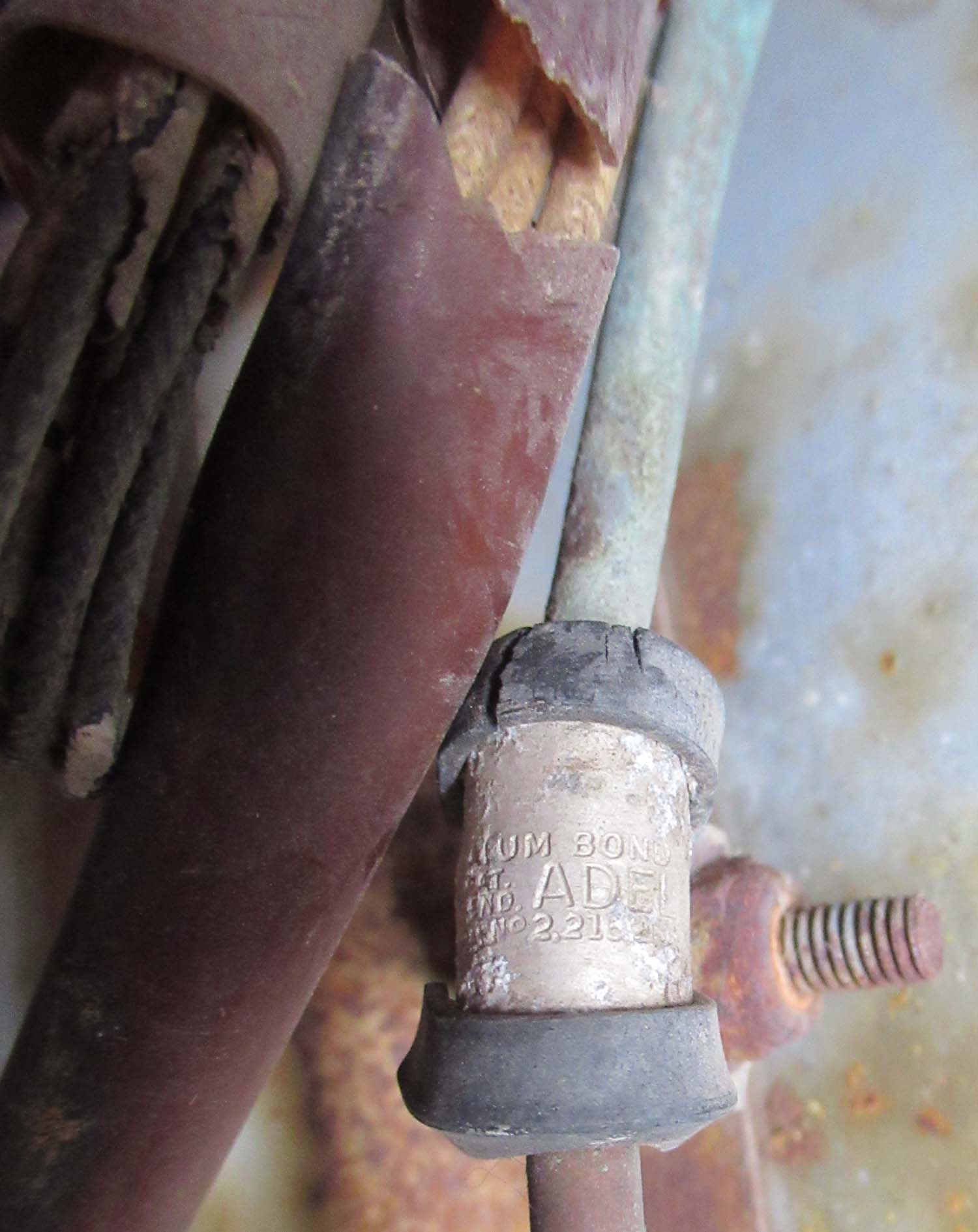
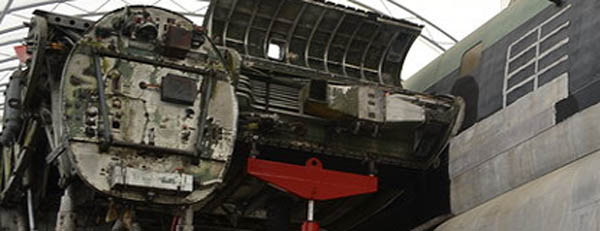
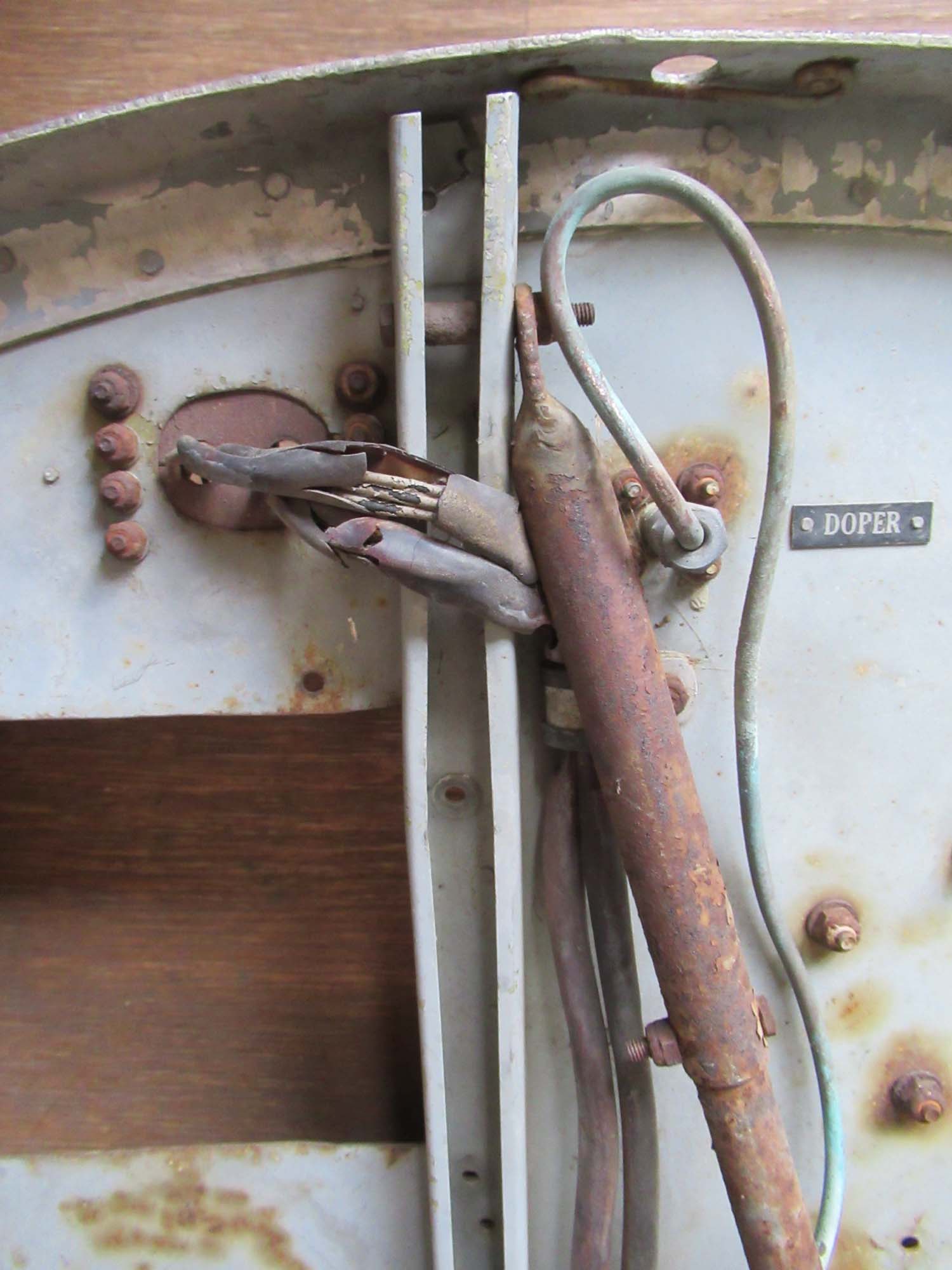
Shown above
centre the Lancaster Firewall in situ in a Lancaster.
Out of stock
more wanted please
contact me
|
|
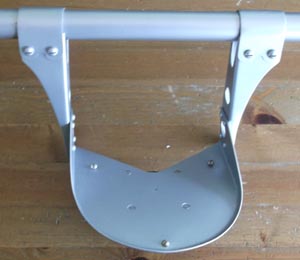
Hurricane Compass Tray (pg1 air)
Superb high quality new built
compass tray for the Hurricane complete with mounting
bracket and compass correction.
Out of Stock More Wanted
Contact Us
|
Out of stock
more required please
contact me |
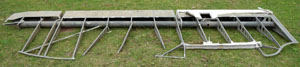
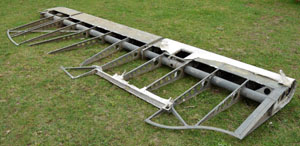
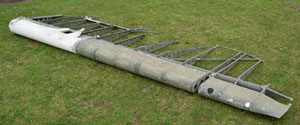
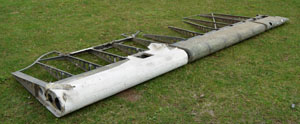
C 47 Elevator
(pg1 air)
Here is an elevator from a C47, this
piece is huge so potential buyers should
contact me to
figure out the shipping options.
The Douglas C-47 Skytrain or Dakota is a military transport
aircraft developed from the civilian Douglas DC-3 airliner.
It was used extensively by the Allies during World War II
and remains in front-line service with various military
operators.
Click on
the picture's to enlarge.
|
|
Click on
the picture's to enlarge.
|
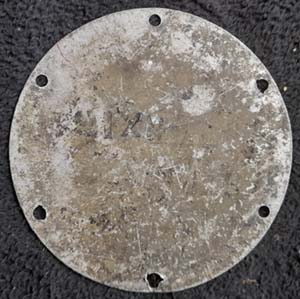
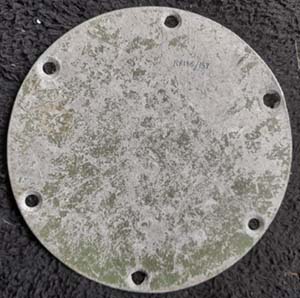
MK III Seafire
aircraft panel RX 168 of the Irish Air Corps (pg1 air)
This panel
was removed by the last owner when just a young lad. Its
from a MK III Seafire.
He was a
big collector who visited scrap yards but also had the
presence of mind to record the aircraft serials he collected
them from.
This panel
came from Seafire RX 168. This
aircraft has a varied career and was refurbished to F MK VC
in`1947 sold to Dublin Tec Inst in 1962 and scrapped in 1963
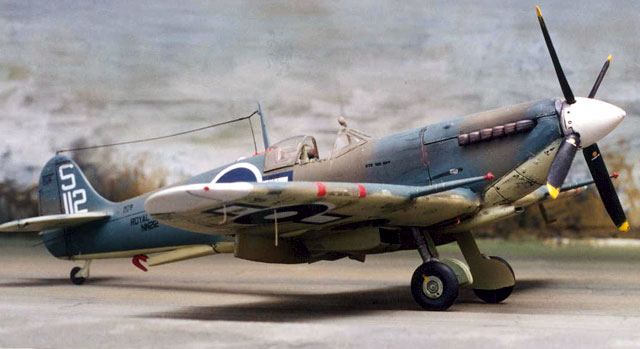
Shown above
the MK III Seafire
Out of stock more Spitfire or Seafire parts always
wanted please
contact me
|

Click on the pictures to enlarge.

Part
numbers shown under

Click on the pictures to enlarge.
 |
Original MK I Spitfire
Aerial Attachments * (pg1 air)
The early
Spitfires used the TR9 radio set these were replaced with
VHF around the time the Battle of Britain ended
The TR9
radio required a wire running from the aerial to
the tail.
The two parts
shown are the attachments used to connect the wire to the
mast and the tail.
They are
original and Spitfire only parts you can see the part
numbers by expanding the pictures on the left. I believe
uses parts to be quite possibly unique.

Above a MK
II Spitfire you can see the wire from the aerial, to the tail.
The two parts available attach to the aerial mast and the
tail.
Out of
stock more required please
contact me |
|
Click on the pictures to enlarge.
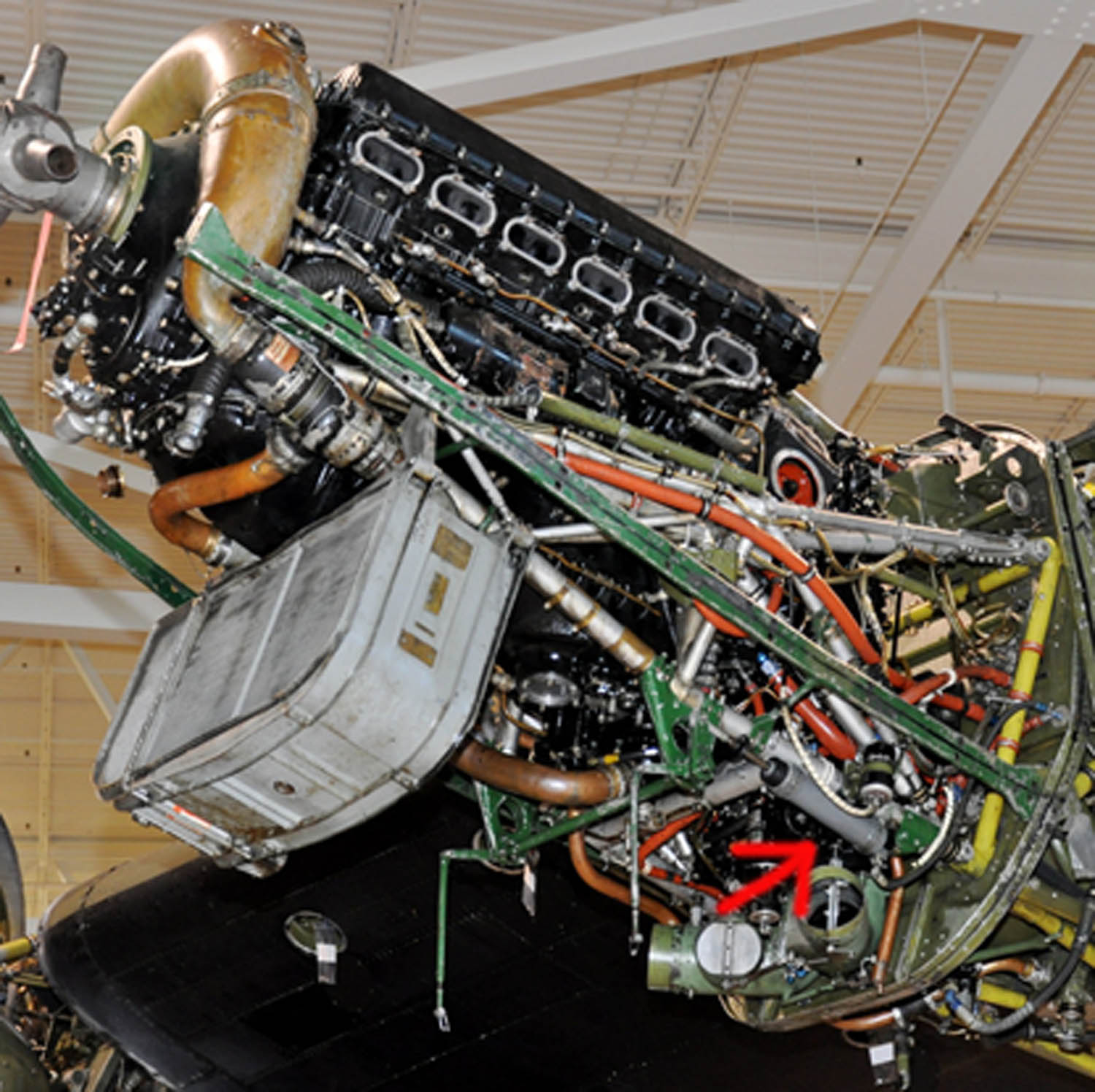
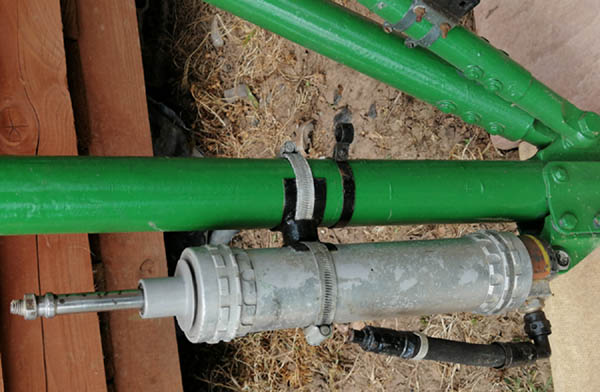
Seen in situ
below the ram is marked with an arrow.
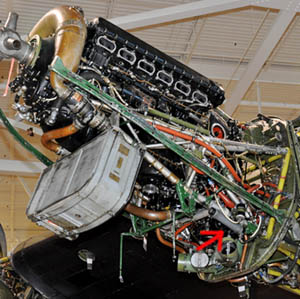
Out of
stock more required please
contact me
Please
contact me for a shipping quote. |
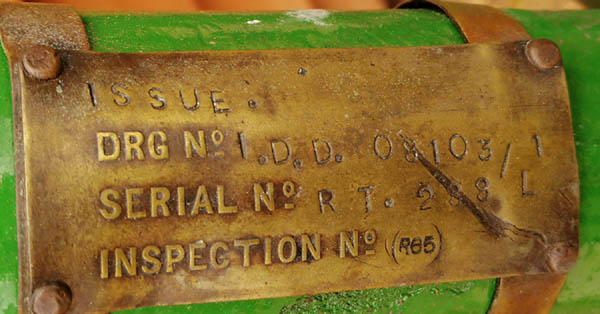
Lancaster Merlin engine mounts. (pg1 air)
Here is a pair
of Merlin engine mounts which from a
Lancaster. They are in good condition and usable , they
would be ideal for mounting a Merlin for display. Comes with
a hydraulic ram for operating the radiator shutter or
supercharger and several electrical blocks.
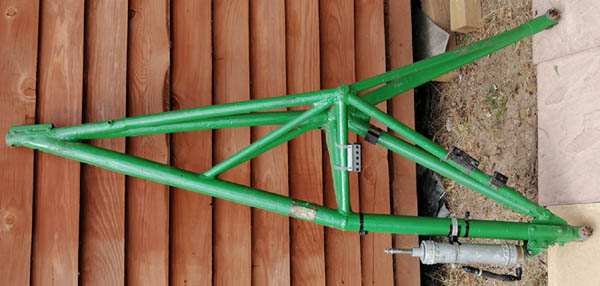 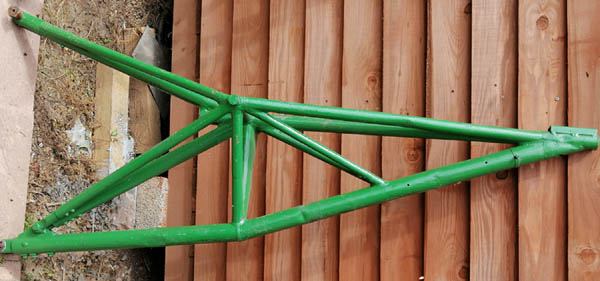
Click on the pictures to enlarge.
|
|
Click on pictures to enlarge
 |
B25 Bed sheet Bomber Engine Cowling (pg1 air)
Here we
have a complete engine cowling from a B25 named the Bed
sheet Bomber.
This complete peace is in
good original condition and was removed from the B25 known
as the Bedsheet Bomber. This aircraft spent the war in the
US as a training aircraft after a varied career in the US
she
arrived in England in
1961 where she served as the photography platform in the
film “War Lovers”. In 1963 she was used again for the
filming of the movie “633 Squadron”. After several owners
and falling into a derelict state she is now being restored
at the Wings Museum in Sussex.
There is
plenty of information about this aircraft available online
with its complete history.
Click on pictures to enlarge
Out of stock more always wanted
please contact me
|
|
Click on pictures to enlarge
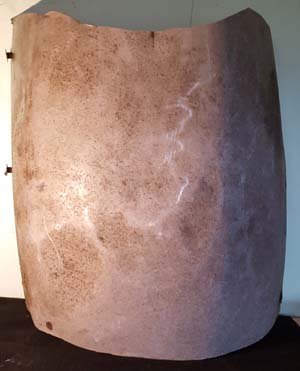
This piece is
huge measuring 2.3 metres by 0.850 metre please
contact me
for a shipping quote.
Out of stock, more always wanted.
Please contact me |
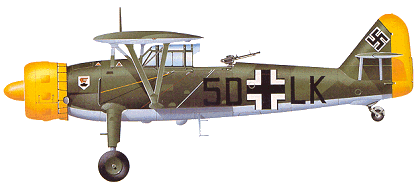
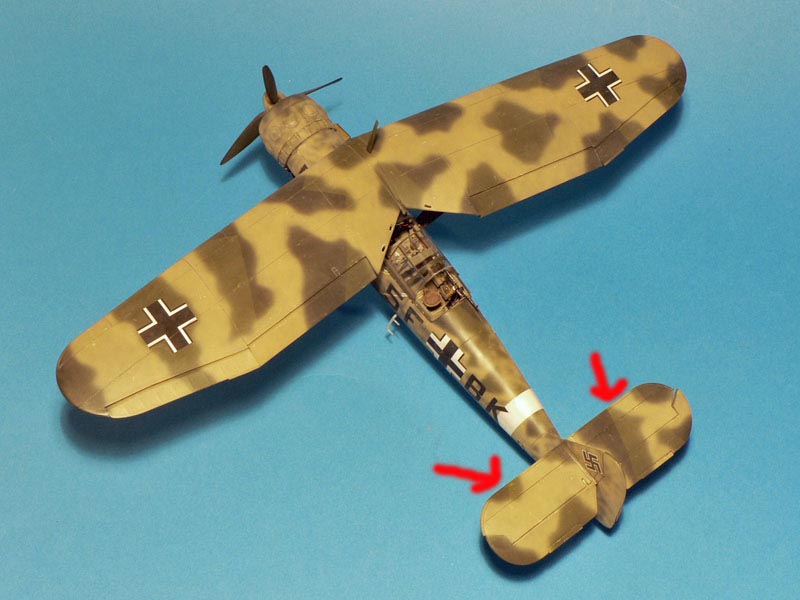
HS 126 Luftwaffe recon aircraft tail plane (pg1 air)
This is
superb and extremely rare piece a complete tail plane from a
HS 126 this piece is in remarkable condition and was
recovered from Russia. It has different coloured camouflage
paint still surviving suggesting that it served in several
campaigns before its demise in Russia.
The Henschel Hs 126 was the
Luftwaffe's main short range reconnaissance aircraft in the
early years of the WWII, taking part in the invasion of
Poland, the campaign in the west in 1940 and the first year
of the invasion of the Soviet Union.
The Hs 126 was an all-metal
stressed-skin parasol wing monoplane, with a fixed
undercarriage. The wing was supported by four main struts,
two to each side, with extra bracing between the fuselage
and the centre of the wing. The main wheels were mounted on
single struts, with internal bracing (cantilevered),
attached at ninety degrees to the fuselage. The level
angular wing was slightly swept back, with straight edges,
and a V-shaped notch at the centre of the trailing edge,
above the pilot's cockpit. The cockpit was semi-enclosed,
with the pilot under glass but the observer in an open
position.
The HS 122 appeared in 1935. It was
similar in appearance to the Hs 126, but its performance was
disappointing. Henschel were asked to redesign the aircraft
to use the new BMW Bramo Fafnir 323 radial engine. A team
led by Henschel's chief designer, Dipl Ing Freidrich
Nicolaus, took the opportunity to redesign most elements of
the aircraft, to produce the Hs 126.
The new aircraft was two feet longer
than the Hs 122. The basic parasol wing layout was retained,
but a new more angular wing was developed. A cantilever
undercarriage was used, allowing each wheel to be supported
by a single streamline strut in place of the two struts of
the Hs 122. The front half of the cockpit, containing the
pilot, was enclosed, while the observer/ gunner's section
remained open. It was to be powered by the Bramo 323 Fafnir
radial engine. |
Click on the pictures to enlarge.
Click on the pictures to enlarge.
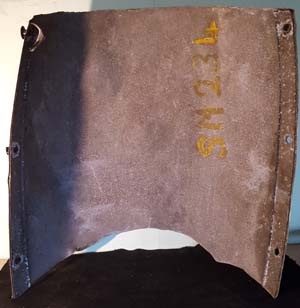 |
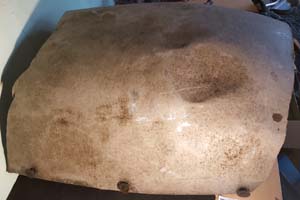
Original Spitfire nose cowling from Spitfire SM 234 MK XVI * (pg1 air)
Here is an
original cowling removed from MK XVI Spitfire SM 234.
approximately 720mm x 730mm
SM 234
reached 601 Squadron on the 1st November 1944 and it seems
to have spent much of its short career attacking V2 mobile
launch vehicles . Parts like cowlings often required small
modifications to get them to fit and so when they were
removed the ground crew were in the habit of marking them to
ensure they went back on the correct. airframe. This piece
was recovered from RAF Kenley in the 1960s.
From the
positions of the fasteners shown below is the position of
the cowling available just above the exhaust stubs.
.jpg) .jpg)
Above the
MK XVI Spitfire note the clipped wings as a primarily ground
attack aircraft the clipped wings made it less twitchy at
low altitude.
The Mk XVI was the same as
the Mk IX in nearly all respects except for the engine, a
Merlin 266. The Merlin 266 was the Merlin 66 and was built
under licence in the USA by the Packard Motor company. The
"2" was added as a prefix in order to avoid confusion with
the engines, as they required different tooling. All Mk XVI
aircraft produced were of the Low-Altitude Fighter (LF)
variety. This was not determined by the length of the wings
(clipped wings were fitted to most LF Spitfires), but by the
engine, which had been optimised for low-altitude operation.
All production Mk XVIs had clipped wings for low altitude
work and were fitted with the rear fuselage fuel tanks with
a combined capacity of 75 gal. Many XVIs featured cut-down
rear fuselages with bubble canopies. On these aircraft the
rear fuselage tank capacity was limited to 66 gal.
Because of a slightly taller
intercooler and rearranged accessories on the Packard
Merlins a new, bulged upper cowling was introduced and also
appeared on late production IXs.
Armament for most
Mk XVIs consisted of 2 × 20 mm Hispano II cannon - each with
120 rpg - and 2 × .50 calibre Browning machine guns - each
with 250 rpg. 1 × 500 lb (227 kg) bomb could be carried
underneath the centre rack, and 1 × 250 lb (114 kg) bomb
could be slung under each wing. Some production aircraft had
rear fuselage fuel tanks in addition to the main tank which
allowed it to fly approximately as far as the Spitfire Mk
VIII. Problems with the licence-built engines limited
introduction to front-line squadrons for several months. A
total of 1,054 Mk XVIs were built by Castle Bromwich
Out of stock more always wanted
please contact me
|
|
Approximately 113cm and
88cm in length
Out of stock
|
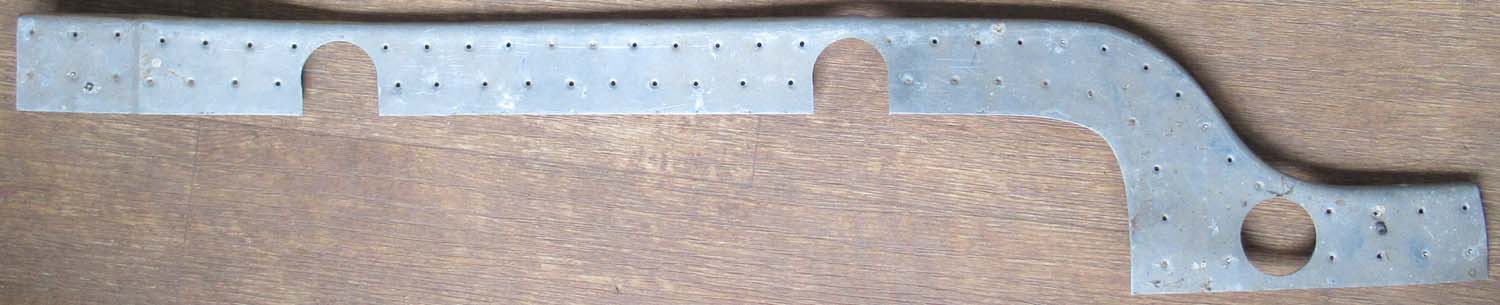
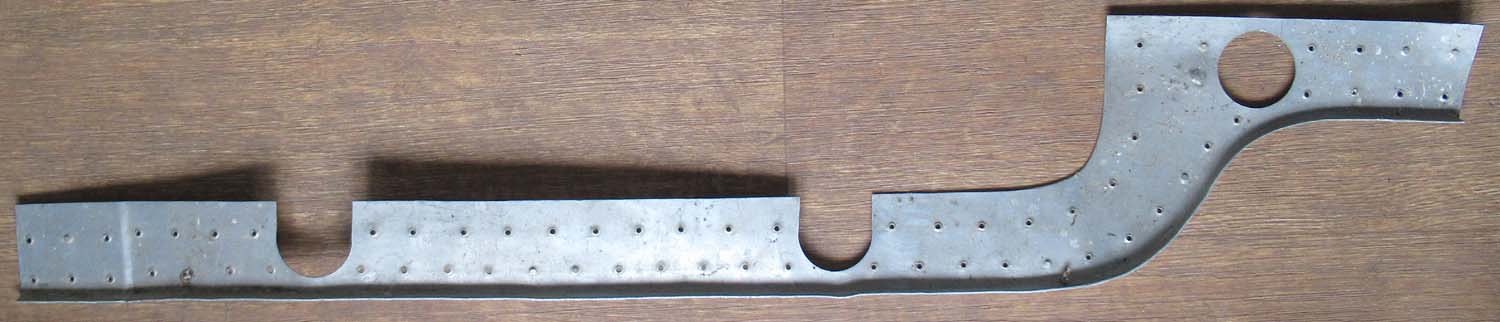
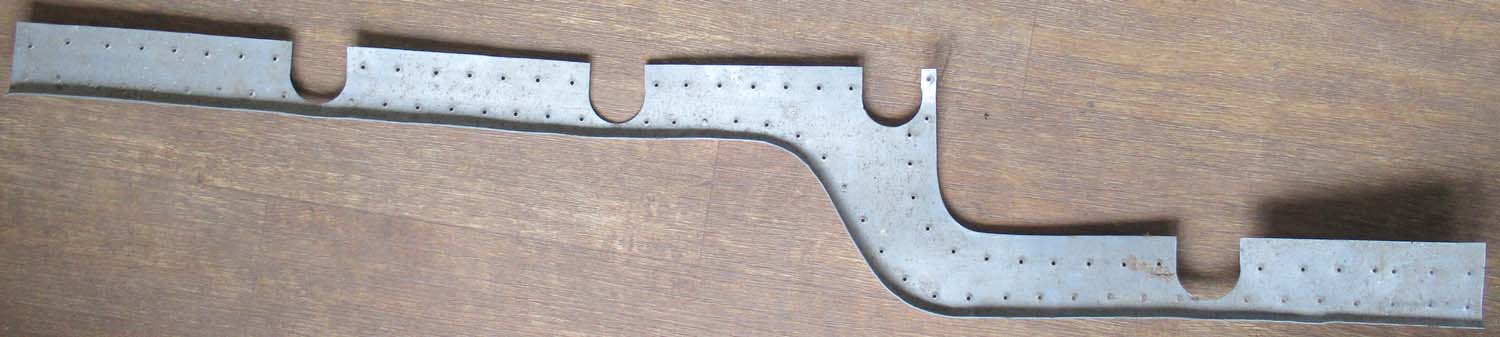
Repro Spitfire Cowling Stiffeners (pg1 air)
Here is a set of
reproduction cowling stiffeners.
Click on the pictures to enlarge.

|
|
Click on
the pictures to enlarge
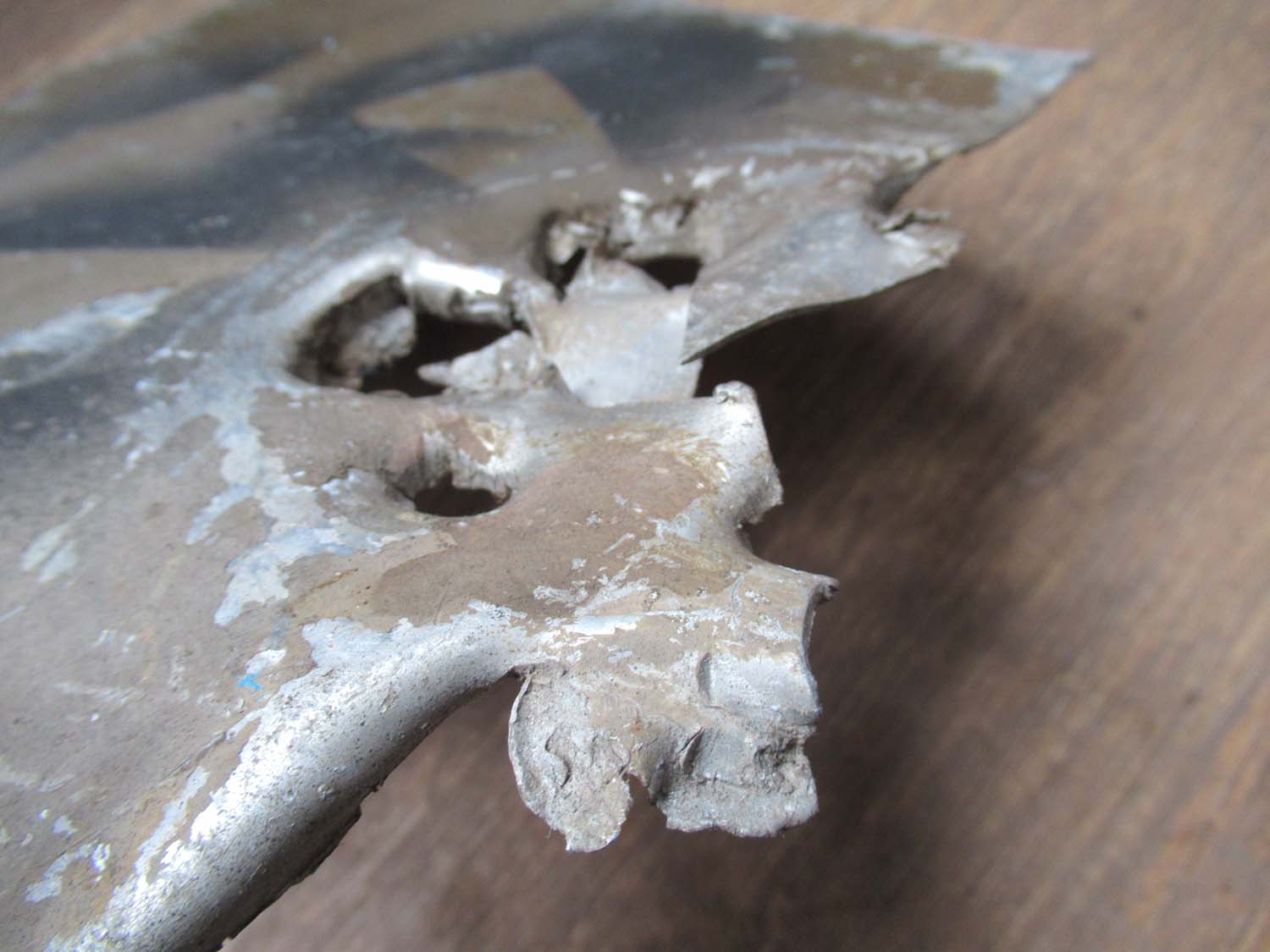 |
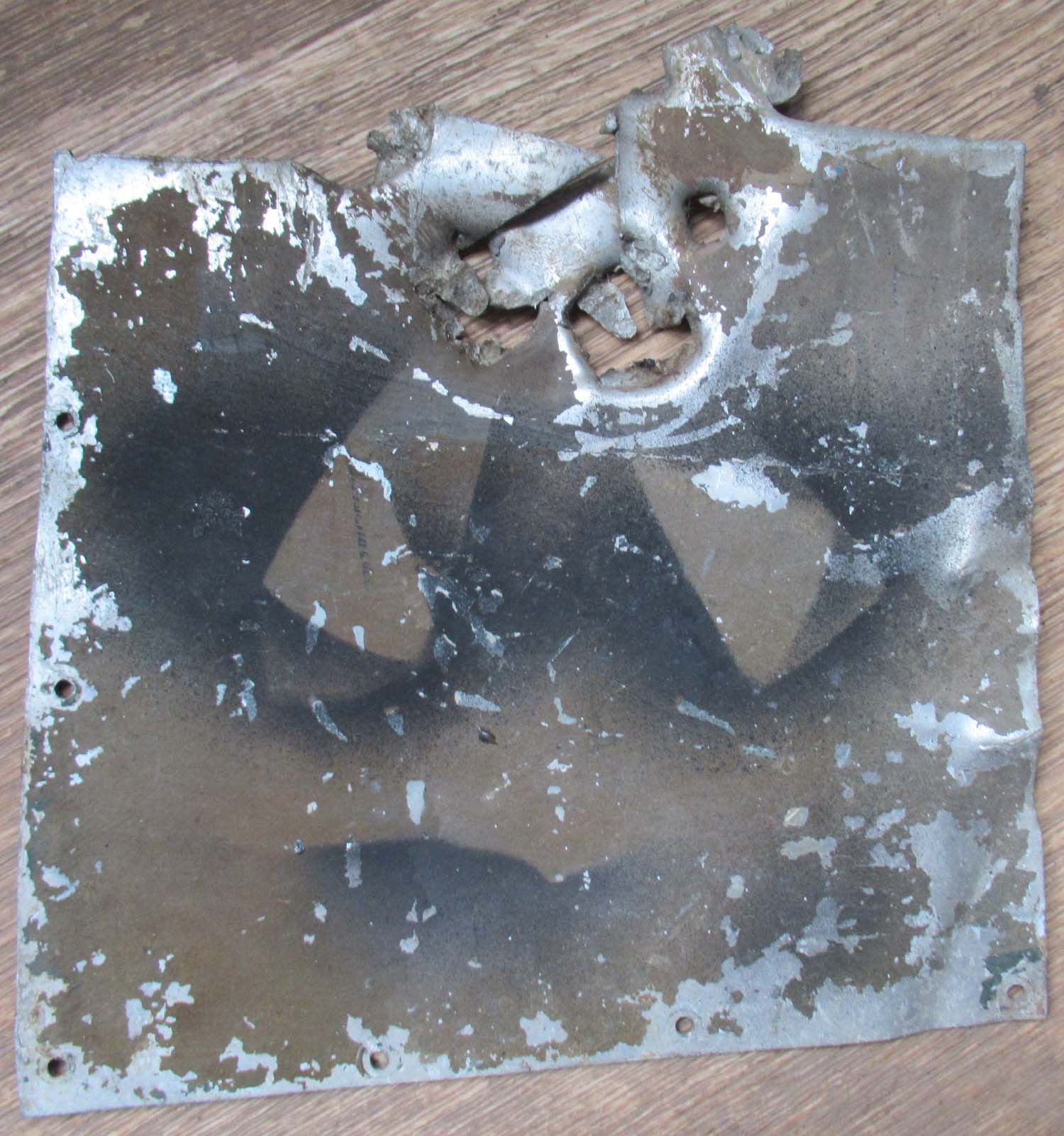
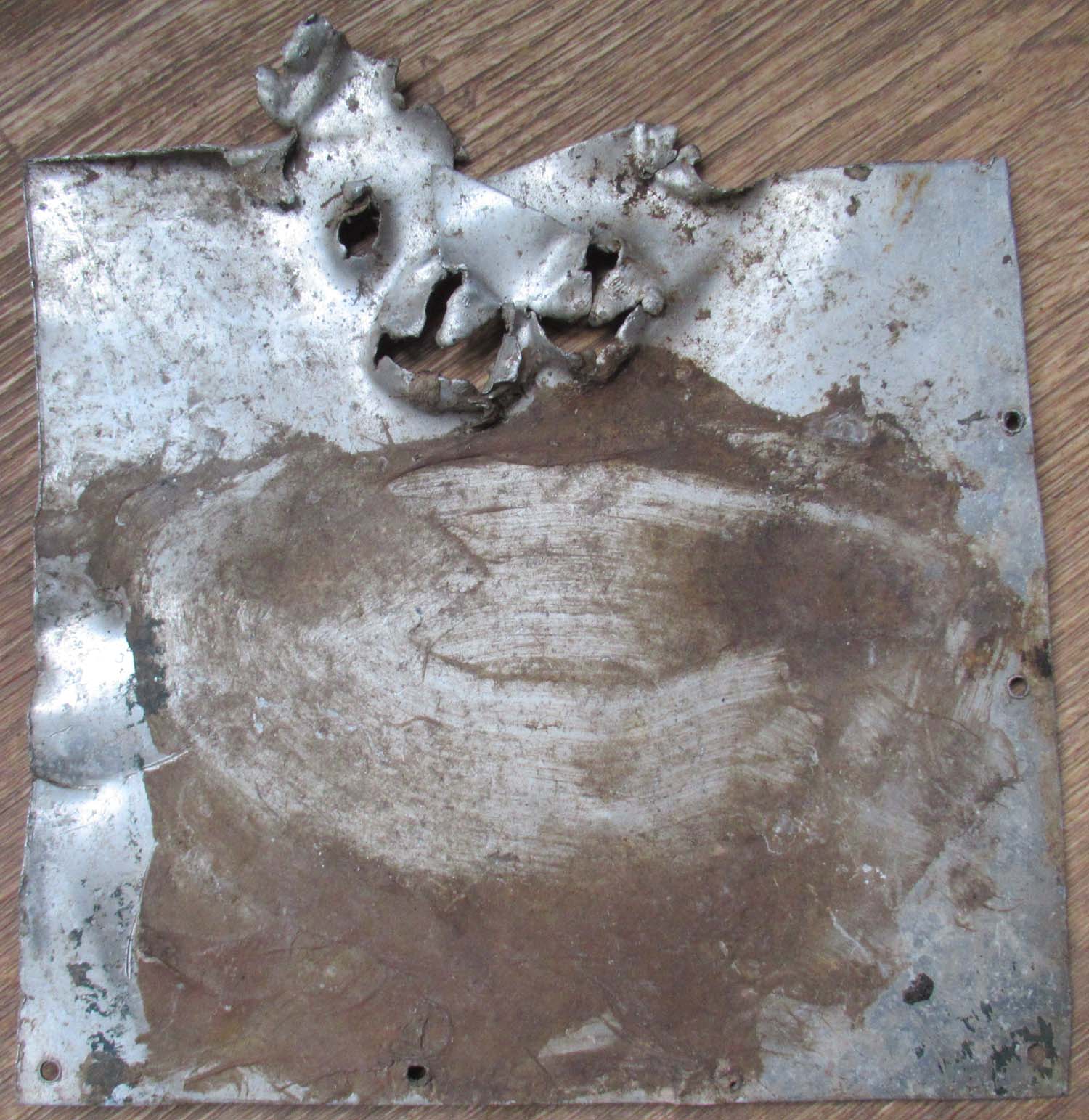
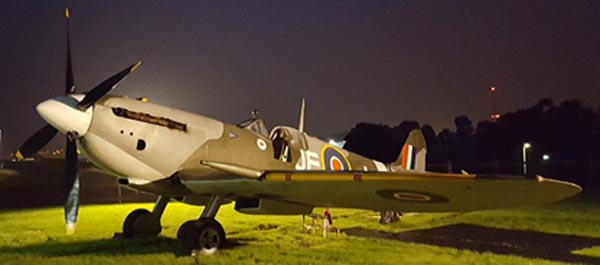
Pearl Harbour Film prop Flap (pg1 air)
Many many
years ago our Replica Spitfire was used in the Film Pearl
harbour, to simulate battle damage they made aluminium
plates to go on the fuselage.
All the
special effects were done at Pinewood studio.
Here is one of those plates
with simulated bullet holes. Why was a Spitfire in Pear
Harbour Film , the answer is they showed scenes from the
Battle of Britain representing an American Eagle Squadron.
Michael
Bay was not to interested in accuracy as the
aircraft all had RF markings which in fact was from
the famous
303 Polish Squadron. I was on the film set during filming
quite an eye opener Michael Bay decided mine did not have
enough damage and proceeded to take a hammer to my new shiny
canopy!
No eagle
squadrons were actually involved in the Battle of Britain
although there were nine American Pilots serving in the RAF.
Regardless its a nice wall hangar.
Our
Spitfire was painted as RF-M in the film and Ben Affleck sat
in the cockpit..
There were
two aircraft painted with these markings a flyer and our
replica as clearly they were not allowed to simulate bullet
holes in a flying Spitfire.
There are
pictures on the internet one particular one shows two
aircraft together marked RF-M. You can see mine on the right
with four Prop blades with the flyer on the left.
Shown under
our Spitfire without the battle damage and painted in the
correct scheme for a MK IX this aircraft toured many shows
in the UK and is the only running static ever built with a
working Rolls Royce 27Ltr V12.
Out of
stock
|
|
|
 1
2 3
4
5
1
2 3
4
5
 |